



I remember staring at the lab results on my phone. My A1C was 7.8 percent, and my blood pressure was hovering at 145/95 mmHg. The standard advice sounded like a sentence to a lifetime of dry chicken breast and treadmill exhaustion. I refused to live that way, so I started reading the actual nutritional research. Over the next 18 months, I brought my A1C down to 6.1 percent and my blood pressure to a steady 120/80 mmHg without starving myself. If you are looking for lifestyle changes for blood sugar that fit into a busy week, here is exactly what worked for me.
Jump to the 8 blood sugar strategies
1. Walk for 15 Minutes After Meals

You do not need an hour of intense cardio to see a difference in your numbers. A short walk immediately following your largest meal is one of the most reliable ways to blunt a glucose spike. Active muscle tissue absorbs glucose directly from your bloodstream without needing insulin to unlock the cellular doors. Just ten to fifteen minutes of a moderate pace makes a measurable impact. I started doing this after dinner, walking around my neighborhood while listening to a podcast, and it completely changed my morning fasting numbers.
2. Never Eat a “Naked” Carb
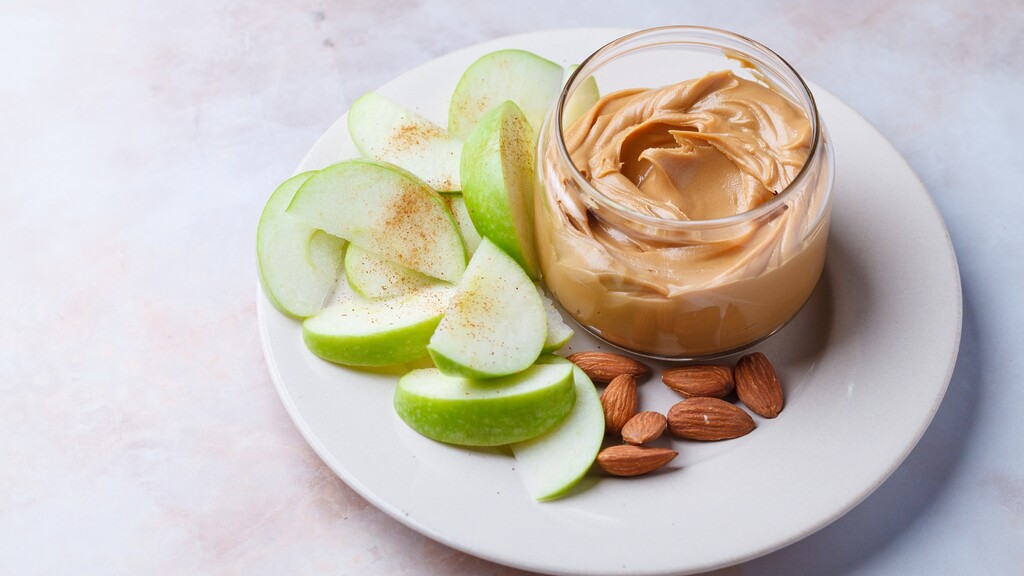
Eating carbohydrates completely on their own is a fast track to a blood sugar roller coaster. When you want an apple, crackers, or a slice of toast, always pair it with a source of protein, fat, or fiber. Eating a handful of almonds with your fruit or spreading avocado on your toast physically slows stomach emptying. That delay turns a sharp glucose spike into a gentle, manageable rolling hill.
3. Change the Order of Your Plate

You can eat the exact same meal and get two completely different blood sugar readings simply by changing the order in which you eat the food. Start with your vegetables, move on to your protein and fats, and save the starches for last. The fiber from the vegetables helps slow digestion, easing how quickly the starches break down into sugar. I still eat potatoes with my family, but I make sure to eat my roasted broccoli and chicken first.
4. Hydrate Before You Eat

It sounds almost too simple to matter, but dehydration can make bloodstream glucose more concentrated. Drinking a large glass of water about twenty minutes before a meal helps maintain proper blood volume and supports your kidneys as they do their normal filtering work. Keep a water bottle at your desk and make it a rule to drain a glass before you sit down for lunch or dinner.
5. Build a Defensive Pantry
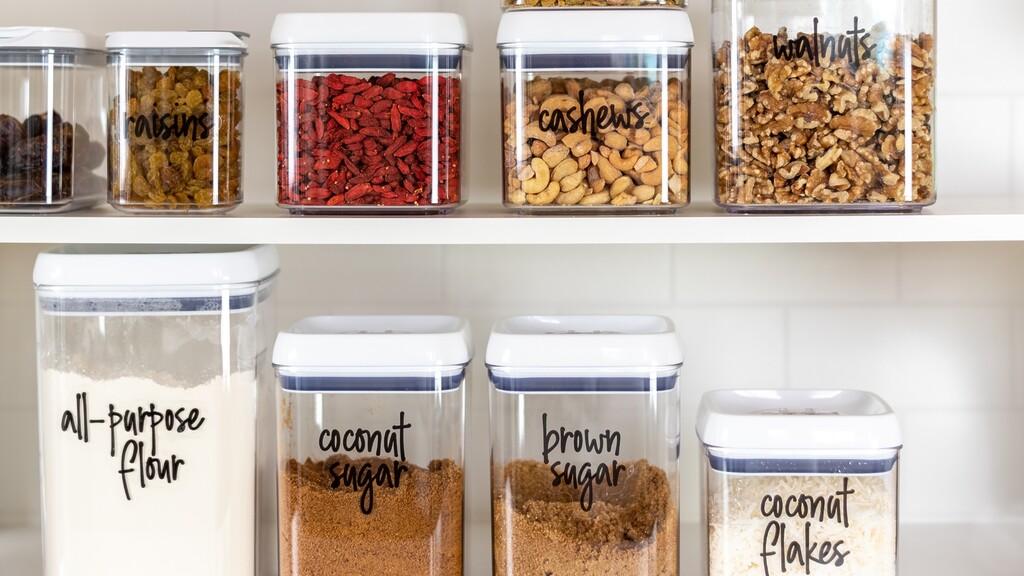
Willpower is a finite resource, especially at 8:00 PM on a Tuesday. The easiest way to achieve blood sugar control naturally is to make the right choices the most convenient ones. Stock your eye-level shelves with nuts, seeds, olives, canned fish, and savory roasted chickpeas. When you are hungry and rushed, you will grab whatever is closest. Make sure the closest thing supports your goals rather than sabotaging them.
6. Add Resistance Training to Your Week

Cardio is great for your heart, but strength training is a powerful exercise tool for lowering blood sugar. Building even a small amount of lean muscle gives your body a larger storage tank for glucose. You do not need a gym membership to get these benefits. Two days a week of bodyweight squats, lunges, or modified push-ups at home will force your muscles to pull sugar out of your blood to use for fuel. Always check with your physician before starting a new exercise program and modify movements so they do not cause joint pain.
7. Protect Your Sleep Like Medicine

A single night of poor sleep can significantly increase insulin resistance the following day. When you are exhausted, your body can become less sensitive to insulin, making glucose regulation messier the next day. I have three kids, so I know a perfect eight hours of uninterrupted rest is often a luxury. If you cannot control how long you sleep, focus on keeping your wake-up time consistent and keeping your bedroom cool and dark to improve the quality of the sleep you do get.
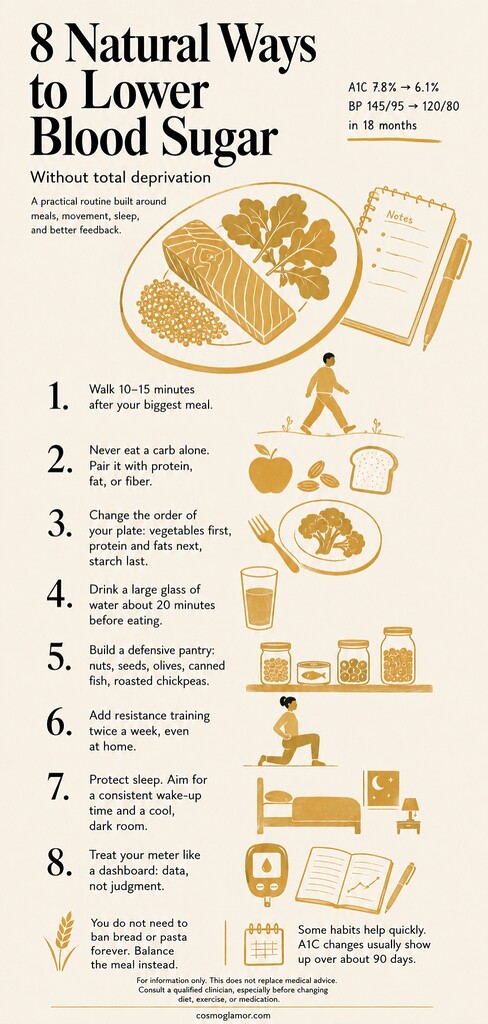
8. Treat Your Meter Like a Dashboard

Stress management is a vital component of metabolic health, and one of the biggest sources of stress is the glucose meter itself. It is easy to feel defeated if you check your numbers and see a spike after trying hard to eat well.
Your blood sugar reading is just data telling you how your body handled your last meal, not a grade on your worth as a person.
When you see a high number, treat it with curiosity instead of guilt. Ask yourself if you were stressed, if you skimped on protein, or if you slept poorly the night before. Use the data to adjust your next meal, and move on.
Frequently Asked Questions
How long does it take to see changes in my blood sugar?
Some changes happen almost instantly. Taking a walk after a meal can lower the glucose reading for that specific meal within an hour. Broader changes to your A1C usually take about three months to reflect fully, since the A1C test measures your average levels over a 90-day period.
Do I have to completely stop eating bread or pasta?
No, you do not have to banish your favorite foods forever. Focus on portion sizes and strategy. Switch to whole-grain or sourdough options, eat a smaller portion of the pasta, load the rest of the bowl with protein and vegetables, and eat the vegetables first. It is about balancing the meal, not eliminating the carbohydrate.
Medical Note: These strategies are based on nutritional research and my own experience managing metabolic health. Always consult your physician before changing your diet or starting a new exercise program, especially if you take medication to manage your blood sugar.
Taming your blood sugar is not about achieving perfect numbers on day one, but about building a routine that you can actually sustain on a busy Wednesday.
Sources
- Positive Impact of a 10-Minute Walk After Glucose Intake – Scientific Reports, 2025.
- Culinary Strategies to Manage Glycemic Response – Frontiers in Nutrition, 2022.
- Sports Drinks Impact on Glucose – American Diabetes Association, n.d.
- Resistance Exercise Training and Glycemic Control – Biological Research for Nursing, 2024.
- Sleep Manipulation and Insulin Sensitivity – Sleep Medicine Reviews, 2022.
- A1C Test for Diabetes and Prediabetes – CDC, 2024.