

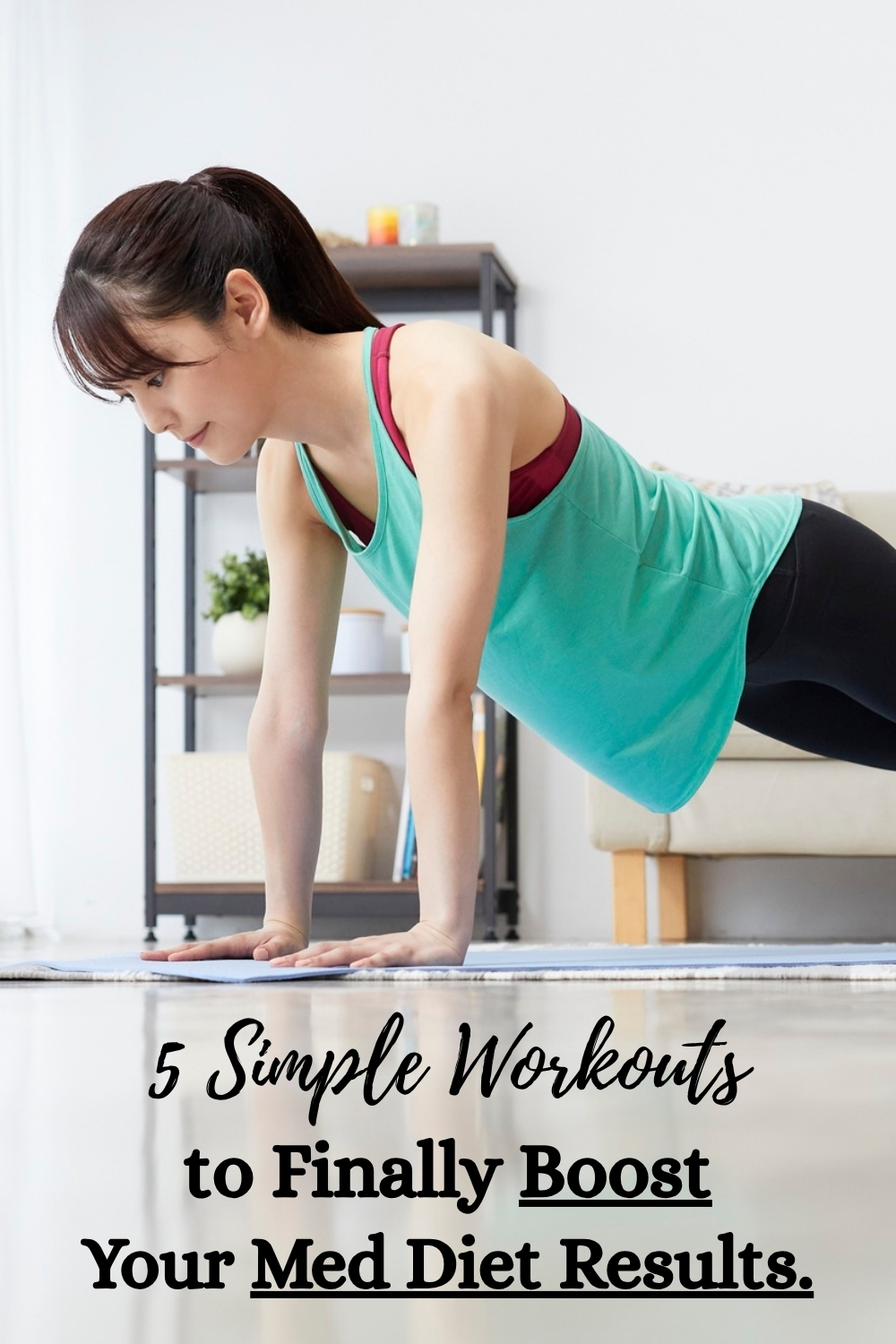
When I set out to lose 50 pounds, I assumed I had to destroy myself in the gym. But high-intensity bootcamps just left my back aching, my cortisol spiked, and my appetite raging. It wasn't until I shifted my focus to simple Mediterranean workouts for weight loss that the scale actually started moving.
The Mediterranean lifestyle treats movement as a natural part of the day, not a punishment for what you ate. By trading grueling workouts for consistent, functional activities, you protect your joints while keeping your metabolism steady.
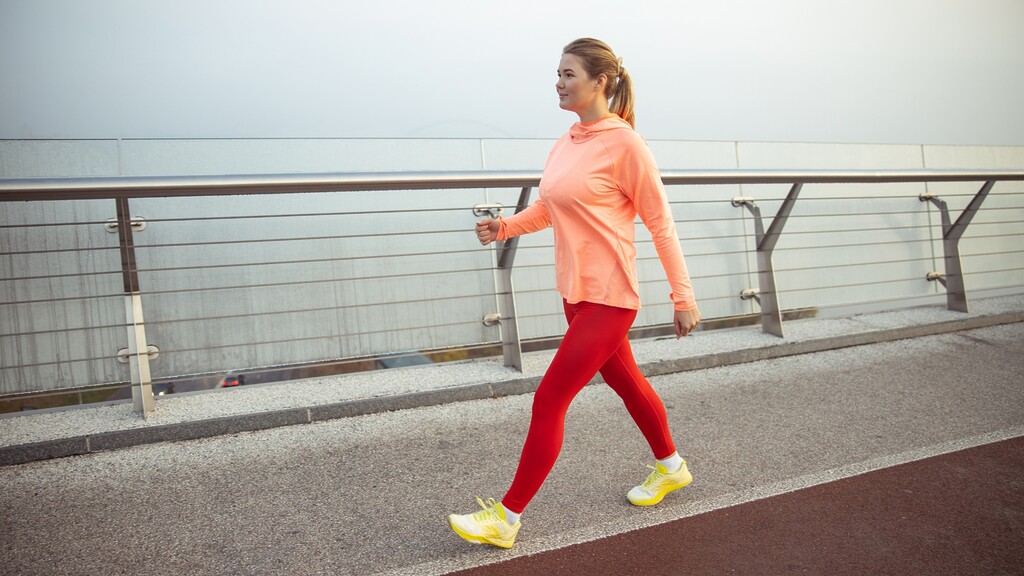
You don't need to live in a coastal Italian village to reap the benefits of this approach. You just need to change how you think about resistance and momentum.
5 Simple Workouts That Fit the Mediterranean Lifestyle
Before you begin, remember to listen to your body. These are the movements that helped me heal my chronic back pain and drop the weight, but we all start from different places. Always consult your physician before starting any new exercise program, especially if you are managing a health condition.
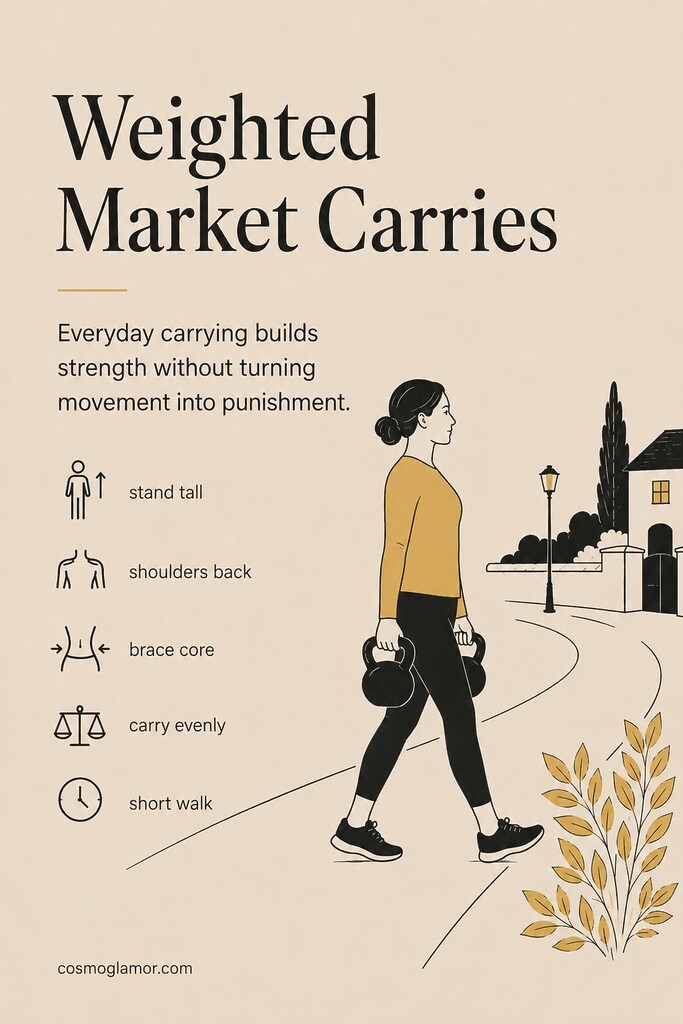
1. The Post-Meal “Passeggiata” (Power Stroll)
In Italy, the passeggiata is a traditional evening stroll. For our purposes, we are going to pick up the pace slightly and time it strategically.
Commit to a brisk 15-minute walk immediately after your largest meal of the day. Using your leg muscles right after eating pulls glucose out of your bloodstream for energy. This can blunt the blood sugar rise after eating, which supports better metabolic control.
You don't need running shoes or a treadmill. Just step outside your front door, walk seven and a half minutes in one direction, and walk back. If the weather is awful, pacing your house or walking up and down your stairs works too.
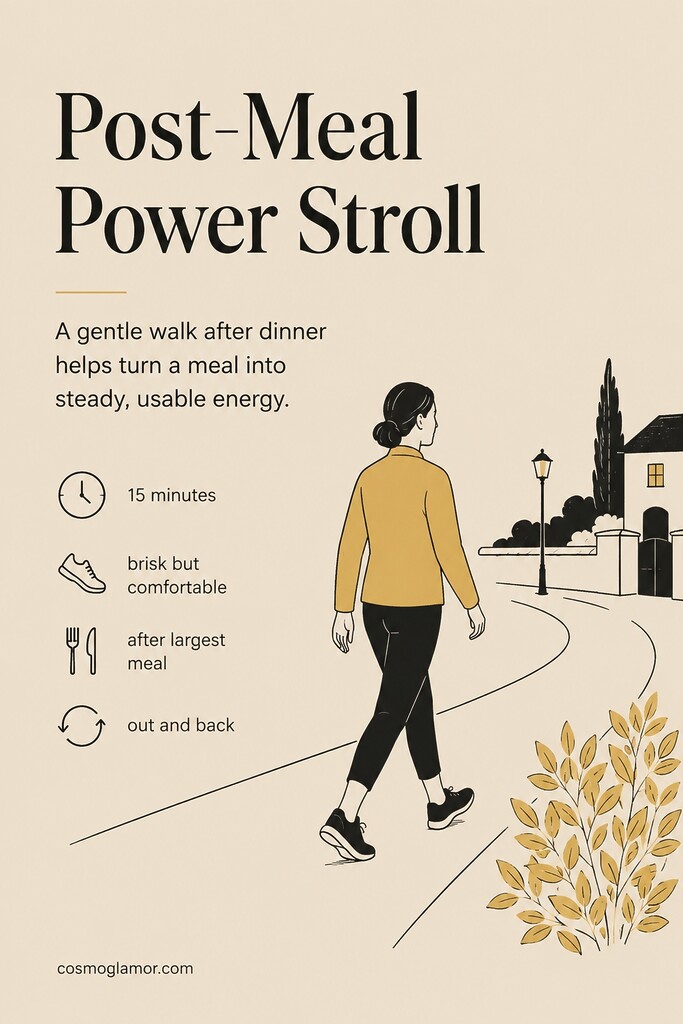
2. Weighted “Market Carries”
Traditional Mediterranean living involves walking to the market and carrying heavy bags of produce home. We can replicate this functional resistance without leaving the yard.
Grab two heavy dumbbells, kettlebells, or even two full gallon jugs of water. Hold one in each hand, pull your shoulders back, brace your stomach, and walk for 60 seconds. Rest for 30 seconds. Repeat this five times.
This mimics a farmer's walk. Carrying heavy, uneven loads forces your core to stabilize your spine and builds incredible grip strength. Building muscle in this functional way signals your body to maintain its lean mass while you lose fat.
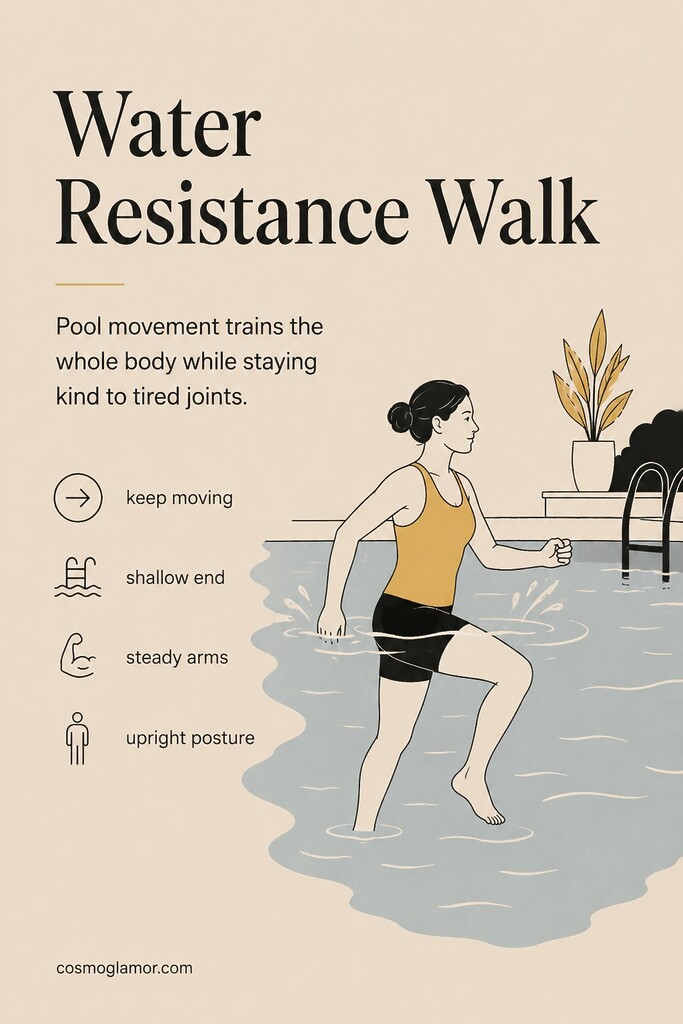
3. Low-Impact Water Resistance
The Mediterranean exercise routine relies heavily on the sea. Swimming or doing water aerobics provides full-body resistance without the harsh impact of running on concrete.
If you have access to a local pool, spend 30 minutes treading water, doing water walking, or swimming laps. Water provides 360-degree resistance. This means you work opposing muscle groups simultaneously, using energy while keeping the session low-impact and manageable.
A common mistake here is treating a pool session like a spa day. You need to keep moving the entire time to keep your heart rate elevated. If swimming laps exhausts you too quickly, switch to vigorously walking back and forth across the shallow end.
4. The Hill Climb
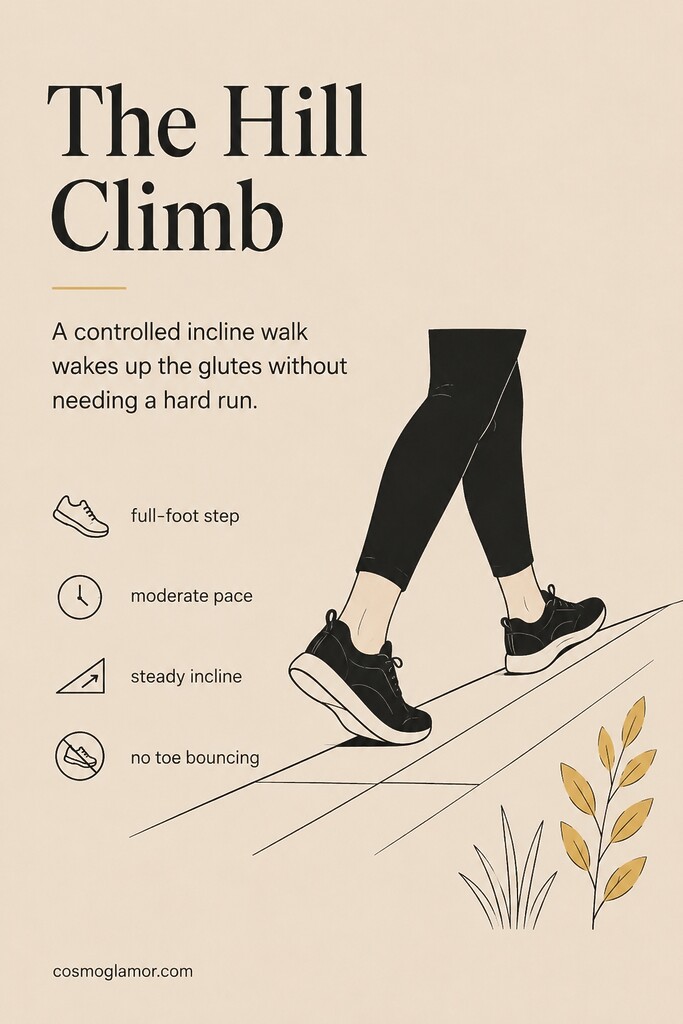
Many Mediterranean towns are built into steep cliffs and hillsides. Navigating these inclines daily builds powerful glutes and hamstrings.
You might be thinking you need a rugged coastal trail for this. You don't. A treadmill set to a 6 percent incline can give you a similar training effect. Walk at a moderate pace for 20 to 30 minutes.
The trick here is in your footing. Focus on a steady, full-foot step with every stride rather than bouncing up on your toes. A steady full-foot step helps you use your glutes while keeping your stride controlled.
5. Morning Floor Flow
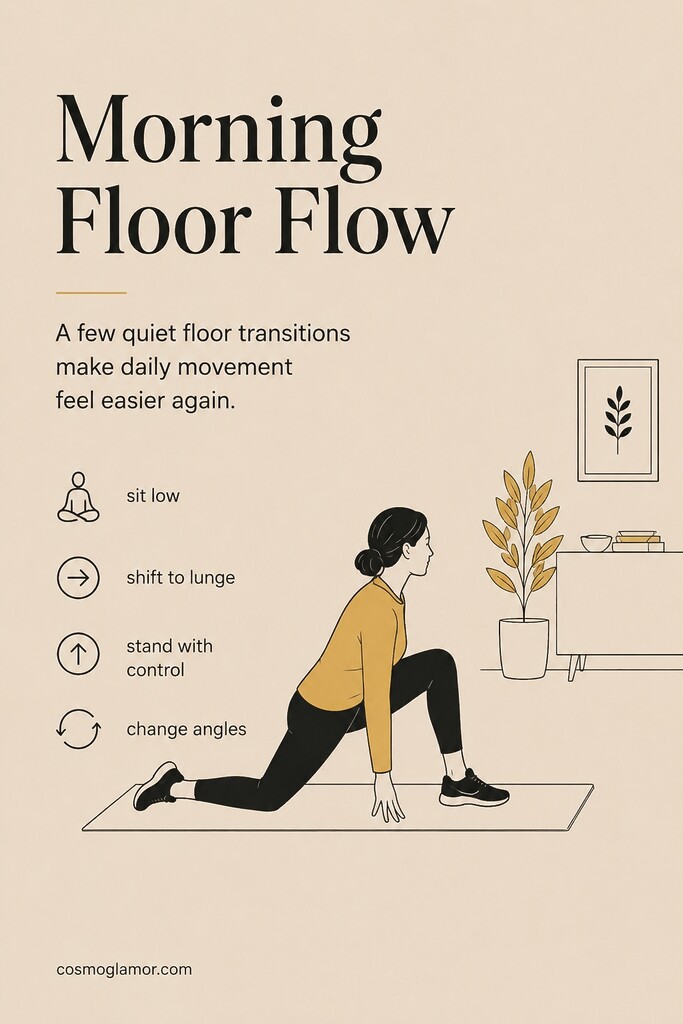
Mobility is the quiet cornerstone of this lifestyle. If your joints are tight, you won't want to move, and weight loss stalls.
Spend ten minutes every morning simply getting up and down off the floor. Sit cross-legged, then transition to a lunge, stand up, and return to the floor. Repeat this using different angles and leg positions.
The ability to get off the floor with minimal support is a strong marker of physical function. It engages your core, stretches your hips, and wakes up your central nervous system without the jarring shock of a morning bootcamp.
How to Build Your Weekly Routine
You do not need to do all five of these workouts every single day. The goal is consistency, not exhaustion.
Start by committing to the post-meal stroll every evening. Once that feels like a normal part of your routine, add two days of hill climbs and two days of weighted market carries. Keep your morning floor flow as a daily habit while your coffee brews.
The beauty of this approach is that it blends into your actual life. Choose the movements that feel good, leave the ones that cause you pain, and let the consistency do the heavy lifting.
Sources
- 10-min walk after glucose intake – Scientific Reports, 2025.
- Resistance training prevents muscle loss – Nutrients, 2018.
- Aquatic exercise and joint loading – PLOS ONE, 2017.
- Grade, speed, and leg muscle activation – Gait & Posture, 2012.
- Sitting-rising test and mortality – European Journal of Preventive Cardiology, 2025.
- Biomechanical analysis of the farmers walk – International Journal of Sports Science & Coaching, 2014.