
You bought the expensive extra virgin olive oil. You swapped your usual lunch for a Greek salad. Yet a month into your new routine, you do not feel any different. That happens because most of us adopt the ingredients but entirely miss the architecture of the diet.
1. You are treating olive oil like a garnish
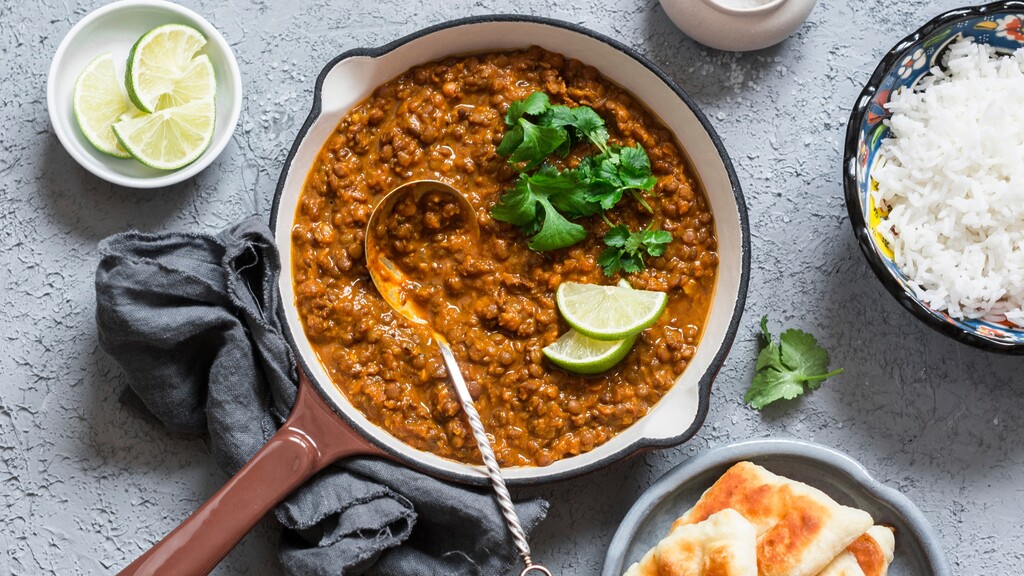
The most common mistake new adopters make is measuring out olive oil with a cautious teaspoon. We have spent decades absorbing the idea that fat is a luxury to be minimized. So we buy a beautiful bottle of cold-pressed olive oil, set it on the counter, and use it sparingly to lightly dress a salad.
In the traditional Mediterranean kitchen, olive oil is not a condiment. It is a foundational calorie source.
When you dump three tablespoons of oil over a massive plate of bitter greens and chickpeas, you are doing two things. First, you make a mountain of vegetables taste incredible. Second, the heavy dose of dietary fat slows down gastric emptying. That can smooth out the post-meal blood sugar rise and help the meal feel more physically sustaining. The fat is what makes the vegetables physically sustaining.
I hear the hesitation all the time from readers who worry that pouring oil over their food will instantly cause weight gain. If you are eating a standard American diet heavy in processed carbohydrates, adding a quarter cup of oil a day is a bad idea. But when your plate is built mostly around fiber-heavy vegetables and legumes, that oil simply replaces the refined calories you used to eat.
Try this practical shift tonight. Instead of whisking a careful vinaigrette, put your greens in a wide bowl. Pour the oil directly over them until they shine. Squeeze half a lemon on top, add a heavy pinch of salt, and toss it with your hands. You will immediately notice the difference in how full you feel an hour later.
2. The protein ratio is totally flipped
Look at an American dinner plate and you will usually see a massive eight-ounce piece of protein taking up the center, flanked by a tiny scoop of vegetables. When we try to adopt Mediterranean diet tips, we just swap the chicken breast for a salmon fillet and call it a day.
The actual framework works in reverse. The vegetables, beans, and whole grains are the main event. The meat or fish acts as a flavor accent.
When I was treating my own health as a data project to pull my A1C down from 7.8% to a steady 6.1%, flipping this ratio on my plate was the single biggest needle-mover. I stopped trying to find low-carb ways to eat massive steaks. Instead, I started filling shallow bowls with braised white beans, roasted zucchini, and tomatoes, then flaking just two or three ounces of fish over the top.
This matters because the fiber in those beans and vegetables does the heavy lifting for your metabolic health. It blunts the glucose response of the meal. You still get the satisfaction of the savory protein, but your body processes the meal entirely differently.
3. You are eating it in the wrong gear
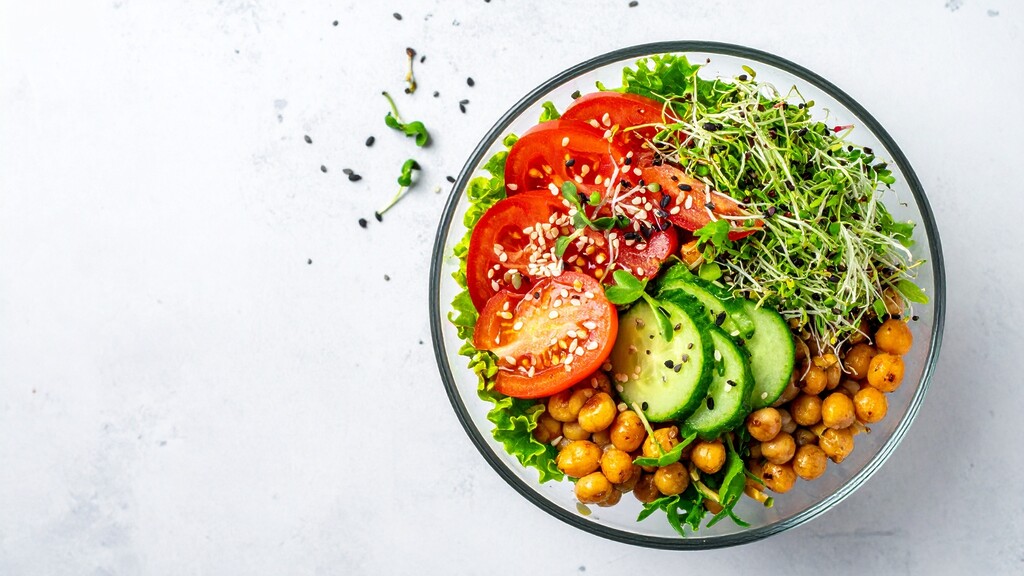
You can pack a perfect lunch of quinoa, cucumbers, kalamata olives, and grilled chicken. But if you eat it out of a plastic container while answering emails with your left hand, your body will not process it like a Mediterranean meal.
Actually, I need to add one caveat here. You do not need to take a two-hour lunch break with a glass of wine to get this right. I have three kids and a full-time schedule. Leisurely lunches are not my reality.
But the cultural secret of this eating style is the transition into a parasympathetic state before eating. Digestion requires your nervous system to shift out of “fight or flight” mode. When you eat while stressed, your body can reduce gut blood flow and digestive secretions, which can lead to digestive discomfort and less efficient nutrient absorption regardless of how healthy the food is.
The habit to build is simple. Put the food on a real plate. Close the laptop. Sit at a table. Take three slow breaths before you pick up your fork. Ten minutes of focused, quiet eating does more for your digestion than the most perfectly optimized macro breakdown.
Your next move
It is incredibly easy to get caught up in tracking every gram of fat or buying expensive, exotic ingredients. But the most effective wellness strategies usually come down to the boring, unglamorous basics. Stop worrying about finding the perfect imported olives. Just pour a little more oil on your greens, make the vegetables the star of the plate, and sit down while you eat them.
Sources
- Effects of Fat on Gastric Emptying and Glycemic Response — The Journal of Clinical Endocrinology & Metabolism, 2006.
- Effects of Soluble Dietary Fibers on Glycemic Response — Foods, 2022.
- Physiology, Stress Reaction — StatPearls/NCBI Bookshelf, 2026.