
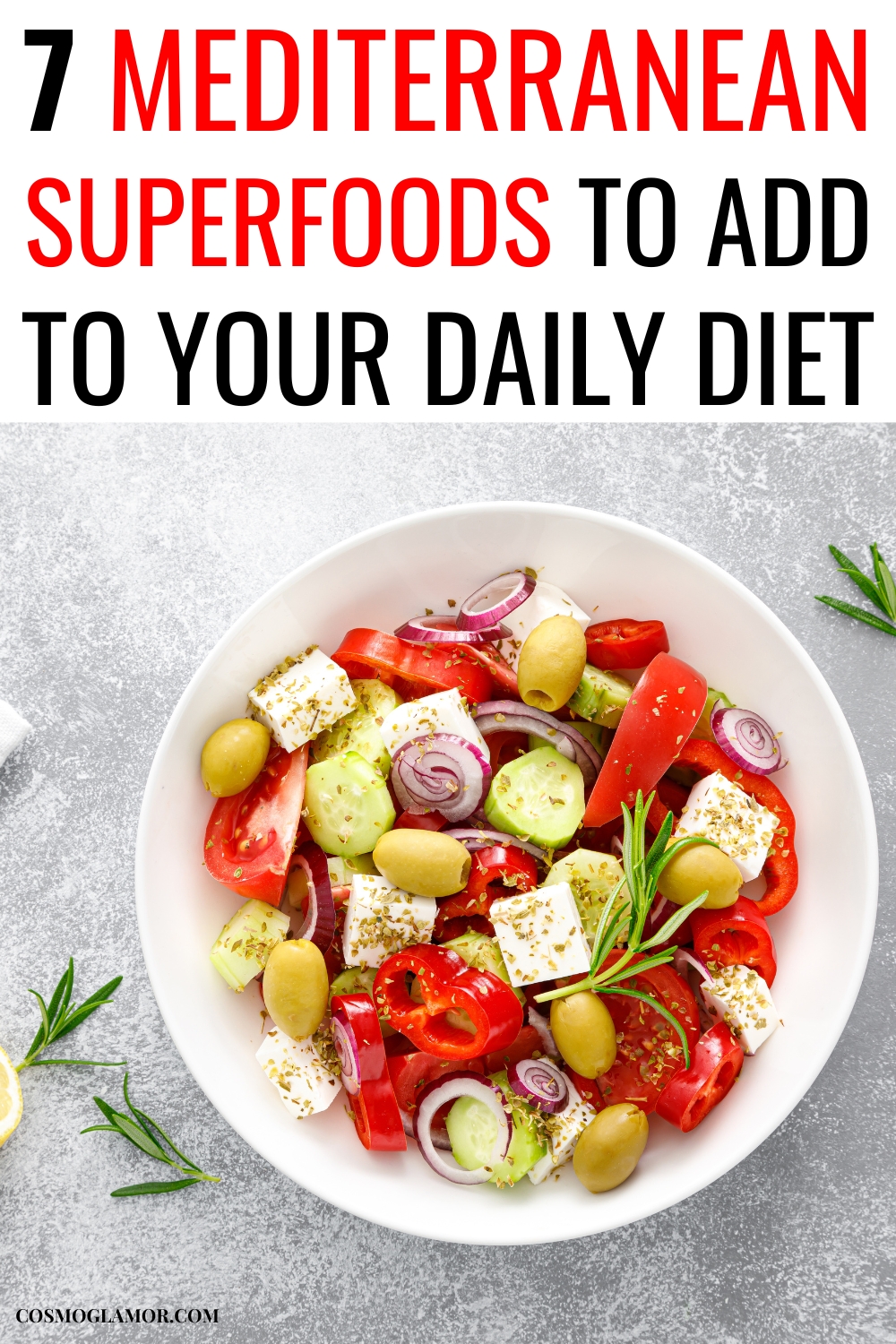
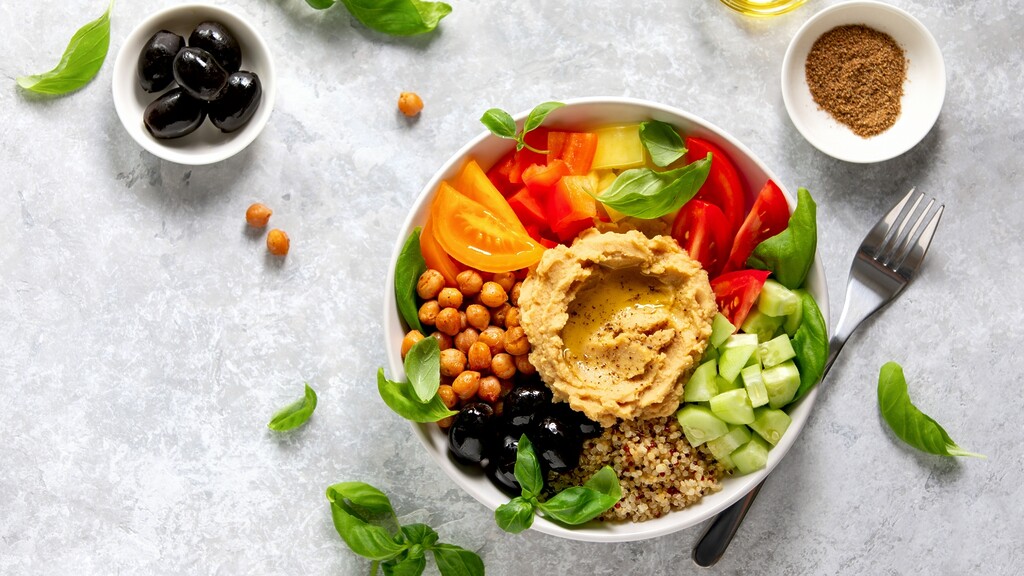
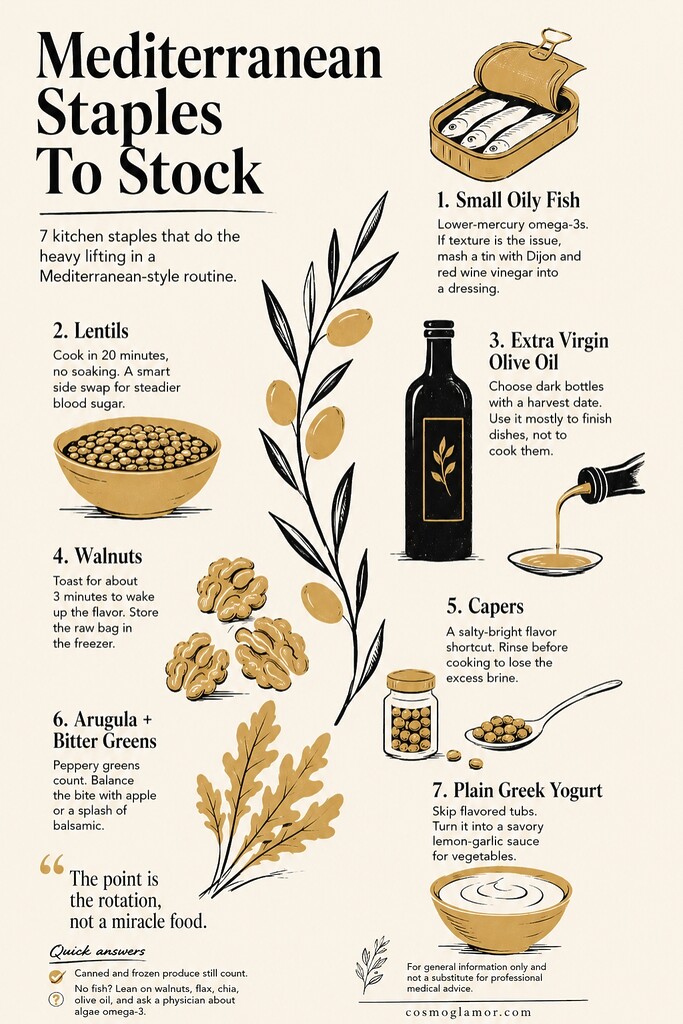
We constantly hear about the benefits of Mediterranean diet foods. But a functional kitchen runs on a very specific rotation of ingredients that do the actual heavy lifting for your health. These are the seven Mediterranean superfoods worth keeping on hand.
1. Small Oily Fish (Sardines and Atlantic Mackerel)
Most people know salmon is healthy. Smaller fish like sardines and Atlantic mackerel deliver a dense dose of omega-3 fatty acids with generally lower mercury exposure than many larger predatory fish. They are inexpensive, shelf-stable, and ready to eat out of the tin.
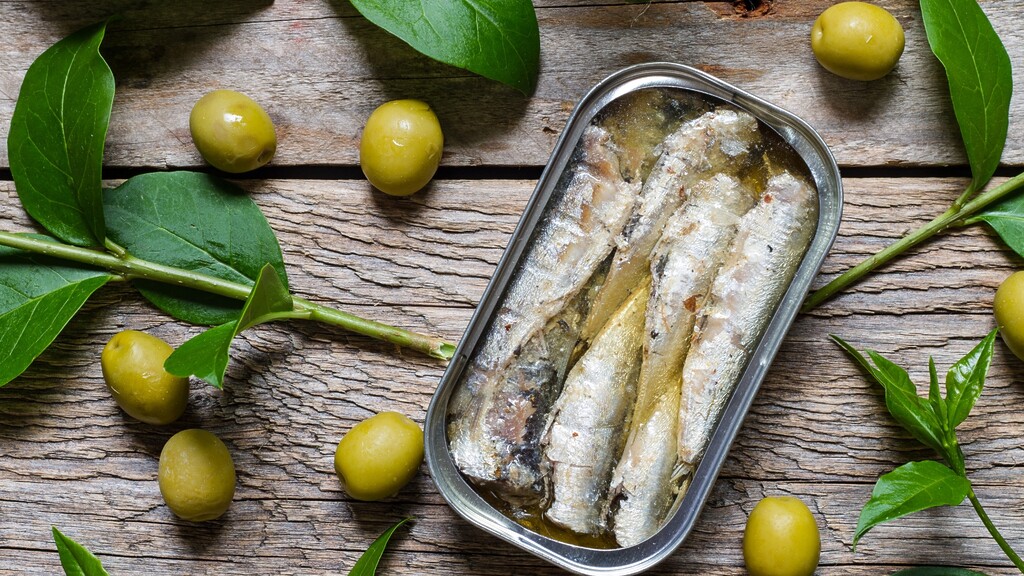
The texture of whole canned fish can be a serious hurdle. Mash one boneless, skinless tin directly into a tablespoon of Dijon mustard and a splash of red wine vinegar until the fish dissolves completely. You get a rich, umami-heavy salad dressing that carries all the anti-inflammatory benefits without any of the visual friction of eating whole little fish.
2. Brown and Green Lentils
When I was working my A1C down from 7.8, lentils completely replaced white rice as my default dinner side. Simmer one cup of dried lentils in roughly three cups of water or chicken broth, and they cook in twenty minutes without soaking while absorbing whatever spices you throw at them.
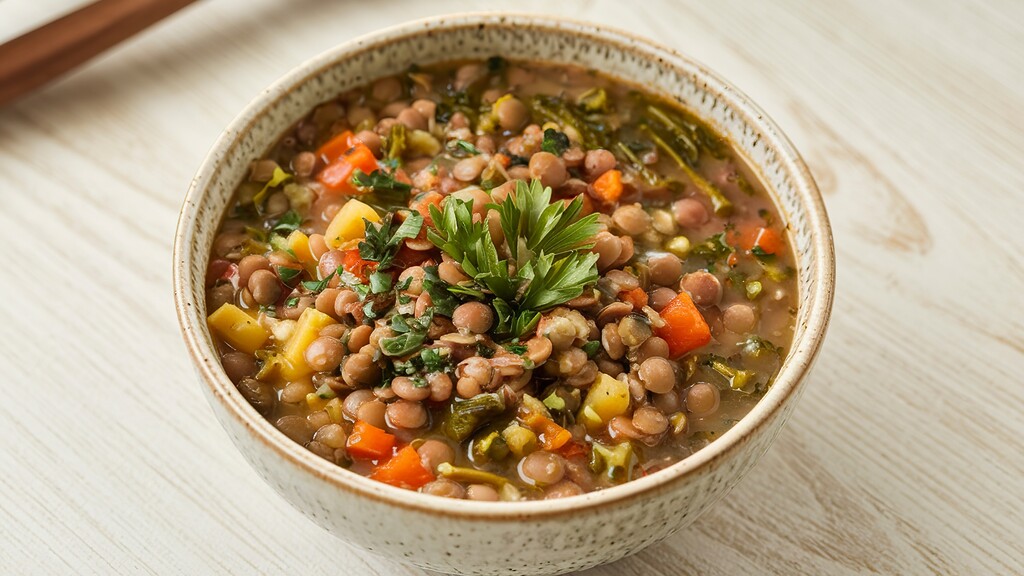
The magic is in how they digest. Lentils are packed with soluble fiber, which forms a thick gel in your digestive tract and slows the absorption of carbohydrates into your bloodstream. You get sustained energy instead of a rapid glucose spike and crash.
3. High-Polyphenol Extra Virgin Olive Oil
A massive portion of the cardiovascular benefits associated with the Mediterranean region comes straight from the olive press. You want the dark glass bottles that list a specific harvest date on the back label.
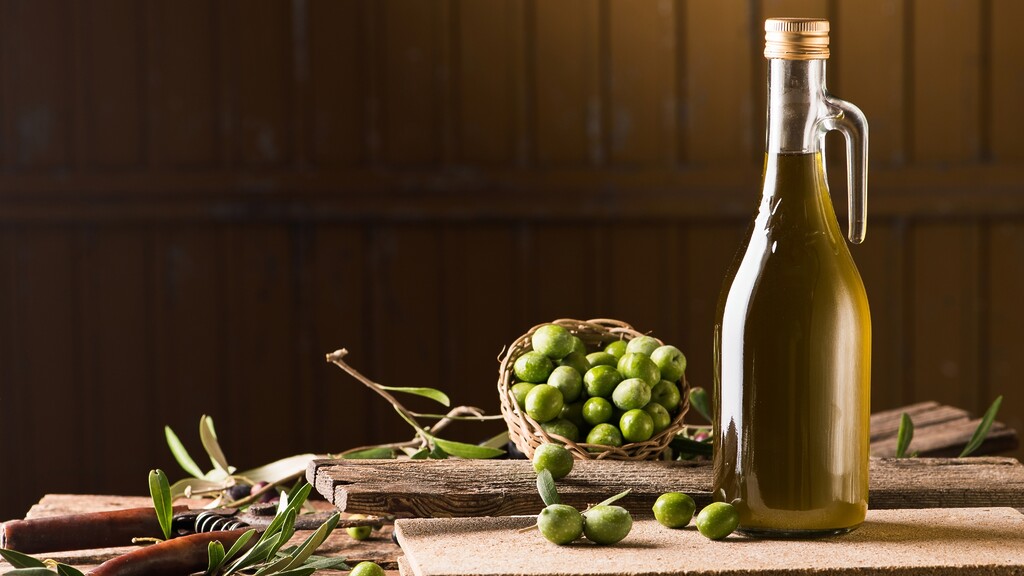
That peppery burn you feel in the back of your throat when you taste good olive oil is oleocanthal. It is a natural phenolic compound that operates along the same anti-inflammatory pathways as ibuprofen. Keep your best oil away from the stove, aim to use it while it is still fresh, and use it mostly to finish plates right before serving so the heat does not strip away as many of those phenolic compounds.
4. Walnuts
Tree nuts are a daily requirement for this way of eating. Walnuts specifically bring a massive amount of ALA, a plant-based omega-3 that supports the lining of your blood vessels.
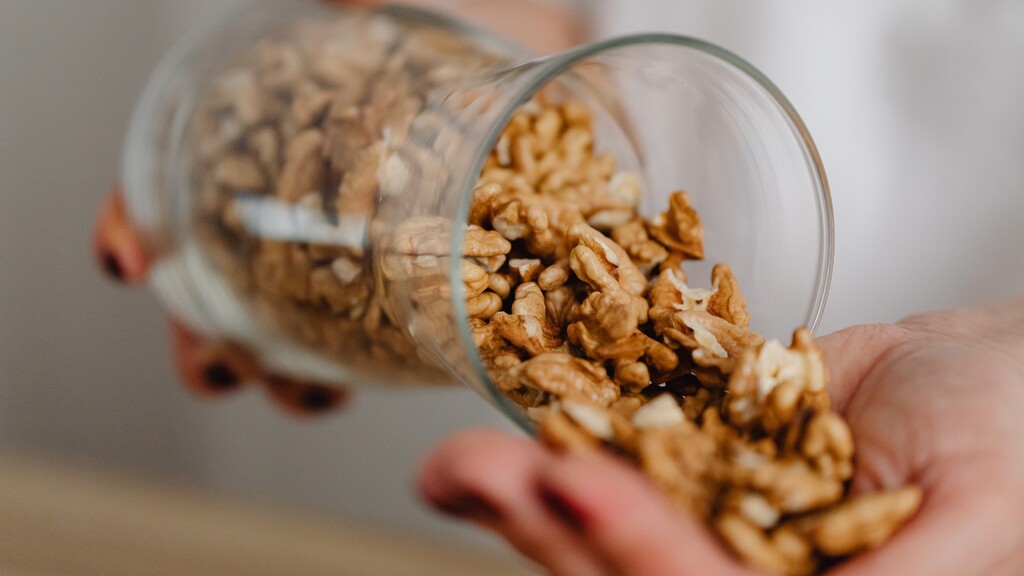
Raw walnuts can taste bitter and chalky if you eat them straight from the bag. Toast them in a dry skillet over medium heat for about three minutes until they smell fragrant. The heat releases their natural oils and completely transforms their texture from rubbery to crisp. Keep your raw bag in the freezer, not the pantry, because those same delicate oils will go rancid quickly at room temperature.
5. Capers
Managing my blood pressure meant rethinking how I built flavor without just dumping in table salt. Capers became my secret weapon for weeknight chicken and roasted vegetables.
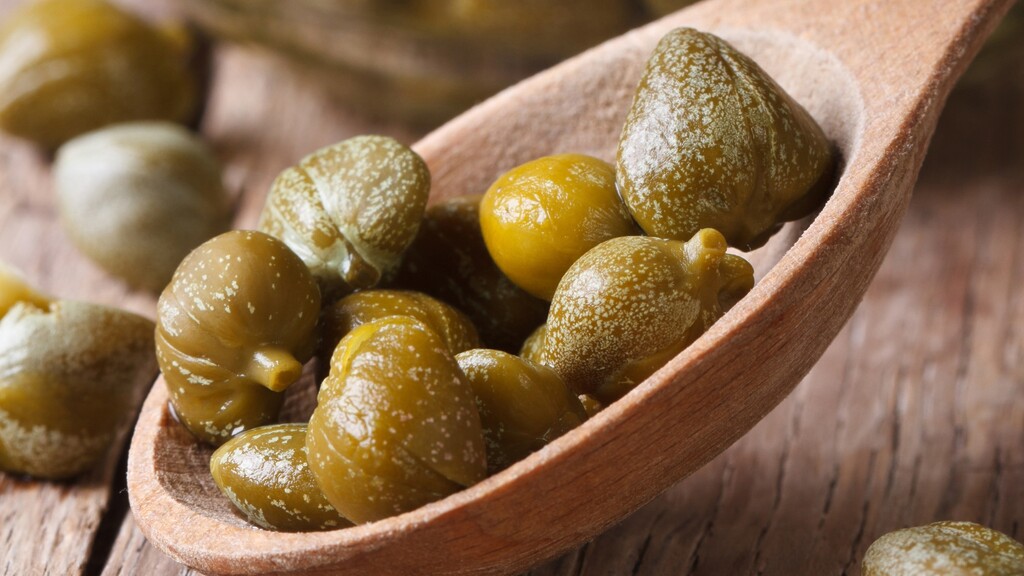
Beyond their bright, acidic punch, these tiny flower buds are one of the highest natural dietary sources of quercetin. This flavonoid has been heavily studied for its potential to support blood pressure, though capers themselves are still salty if you eat them straight from the jar. Rinse a spoonful of them thoroughly under cold water before cooking to wash away the excess packing brine while keeping the flavor intact.
The Mediterranean pattern works because it treats food as a compounding daily habit rather than a temporary intervention.
6. Arugula and Bitter Greens
We default to spinach and romaine for salads out of habit. The healthiest Mediterranean foods lean heavily on bitter, wild-tasting greens like arugula, dandelion, and broccoli rabe.
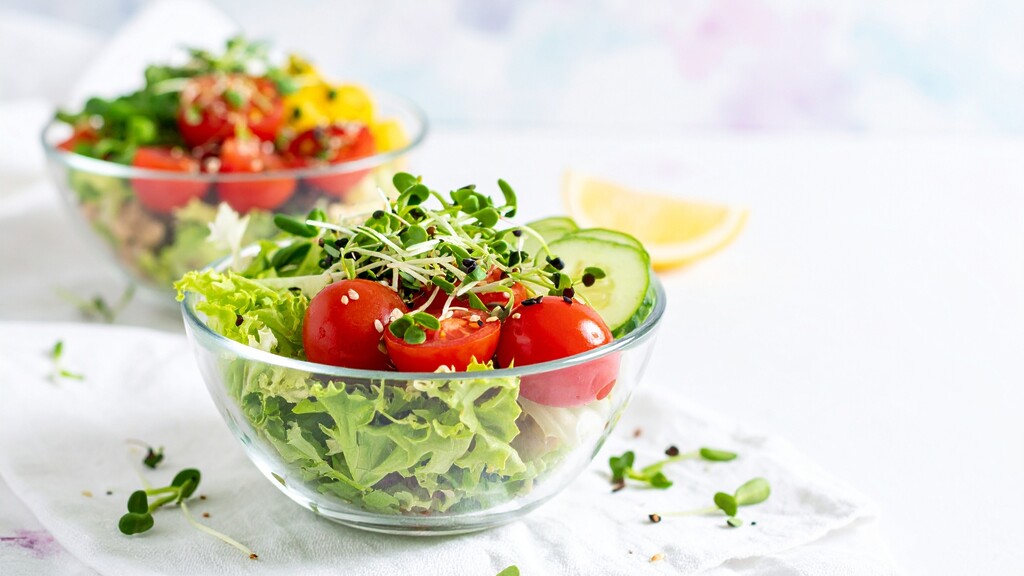
That sharp, peppery bite comes in part from glucosinolates, which your body can turn into compounds that help activate detoxification enzymes. If the bitterness is too aggressive for your palate, pair the arugula with a sweet element like sliced apples or a splash of balsamic vinegar to balance the plate without reaching for a sugary dressing.
7. Full-Fat Plain Greek Yogurt
Fermented dairy forms the baseline of Mediterranean breakfasts and sauces. The fermentation process reduces lactose and, when the yogurt contains live active cultures, can make it easier to digest.
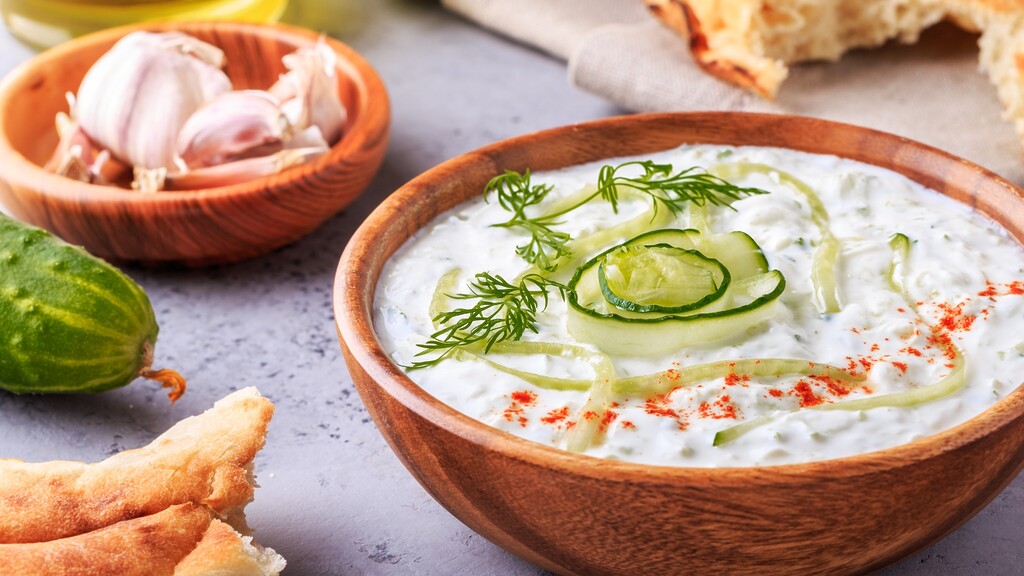
Skip the flavored versions entirely. Buy the plain, whole-milk tubs and use the yogurt as a savory base for roasted vegetables. Mix roughly one cup of yogurt with a single minced garlic clove, the juice of half a lemon, and a pinch of salt to create a protein-heavy sauce that takes three minutes to stir together.
Common Questions About Mediterranean Ingredients
Do canned or frozen vegetables still count?
Absolutely. Flash-frozen vegetables and canned beans are picked and preserved at peak ripeness. They can still be smart, nutrient-dense shortcuts. Just read the labels and avoid cans with added sugars or heavy sodium brines.
What if I absolutely refuse to eat fish?
You can still thrive on this eating pattern. Focus on getting your healthy fats from walnuts, ground flaxseed, chia seeds, and generous amounts of extra virgin olive oil. You might also talk to your physician about an algae-based omega-3 supplement to fill the gap.
You don't need to force down foods you hate to build a healthier body. Pick two ingredients from this list that actually sound good to you, and figure out how to put them on your dinner table this week.
Sources
- Advice About Eating Fish – U.S. Food and Drug Administration, 2024.
- Lentils and Acute Blood Glucose Response – Nutrients, 2022.
- Olive Oil Cooking and Phenolic Compounds – Molecules, 2022.
- Quercetin and Blood Pressure – Journal of the American Heart Association, 2016.
- Glucosinolates and Detoxification Enzymes – Frontiers in Nutrition, 2020.
- Live Yoghurt Cultures and Lactose Digestion – EFSA Journal, 2010.
- Fish and Omega-3 Fatty Acids – American Heart Association, 2024.
- Dietary Fiber and Glucose Absorption – NCBI Bookshelf, 2025.
- Ibuprofen-like Activity in Extra-Virgin Olive Oil – Nature, 2005.
- Walnut Diet and Endothelial Function – Circulation, 2004.
- Biological Activity of Capers – Nutrients, 2023.
- Fresh, Frozen or Canned Produce – American Heart Association, 2025.