

Getting a diabetes diagnosis often feels like a sudden ban on everything sweet. I remember staring at my kitchen counter shortly after my doctor visit, wondering if I had to throw out all my apples just to get my A1C down. You do not have to give up fruit. You just need to know how to choose it.
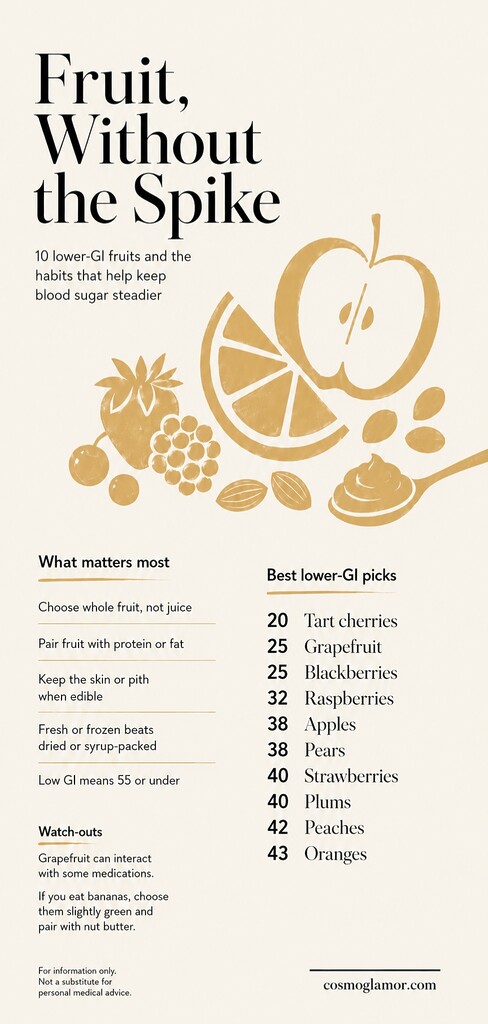
When I was actively working to bring my A1C from 7.8% down to 6.1%, fruit was the one carbohydrate I refused to cut completely. I just had to get smarter about which ones I bought. The glycemic index (GI) became my filter. This scale ranks foods from 0 to 100 based on how quickly they raise blood sugar. Foods scoring 55 or under are considered low-glycemic, meaning they digest slowly and give your insulin a chance to keep pace.
Focusing on low glycemic fruits for diabetes management allows you to enjoy natural sweetness alongside crucial vitamins and antioxidants. Here are the ten best fruits for diabetics, starting with the absolute lowest on the index.
The 10 Best Fruits for Blood Sugar
1. Tart Cherries (GI: 20)
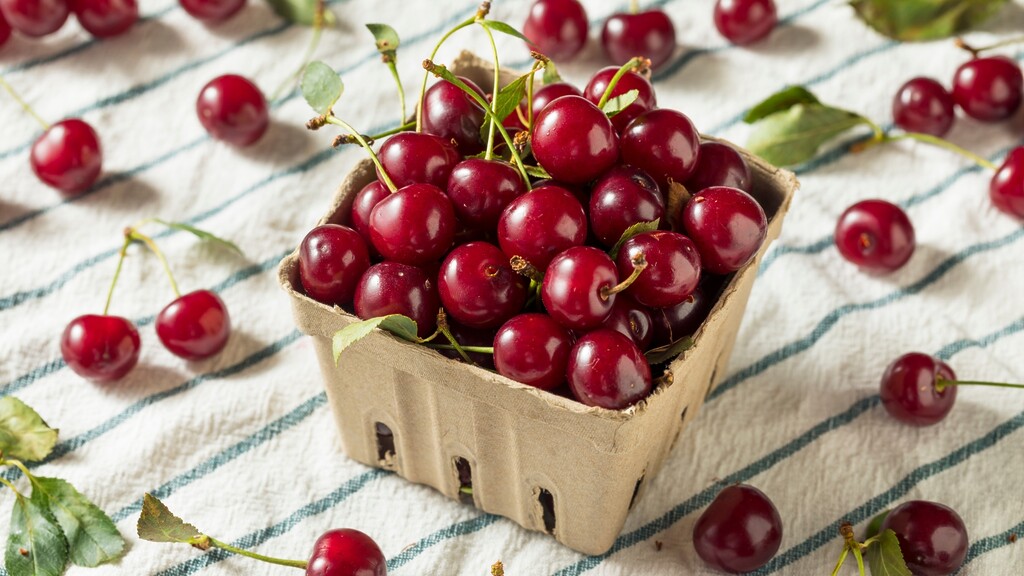
Tart cherries sit incredibly low on the glycemic index. They contain high levels of anthocyanins, the compounds that give them their rich red color and are being studied for their effects on blood-sugar markers. Because fresh tart cherries have a very short season, you will often find them frozen. Just check the label to ensure no sugar was added during packaging. Pair a half-cup of thawed cherries with plain Greek yogurt for a balanced dessert.
2. Grapefruit (GI: 25)
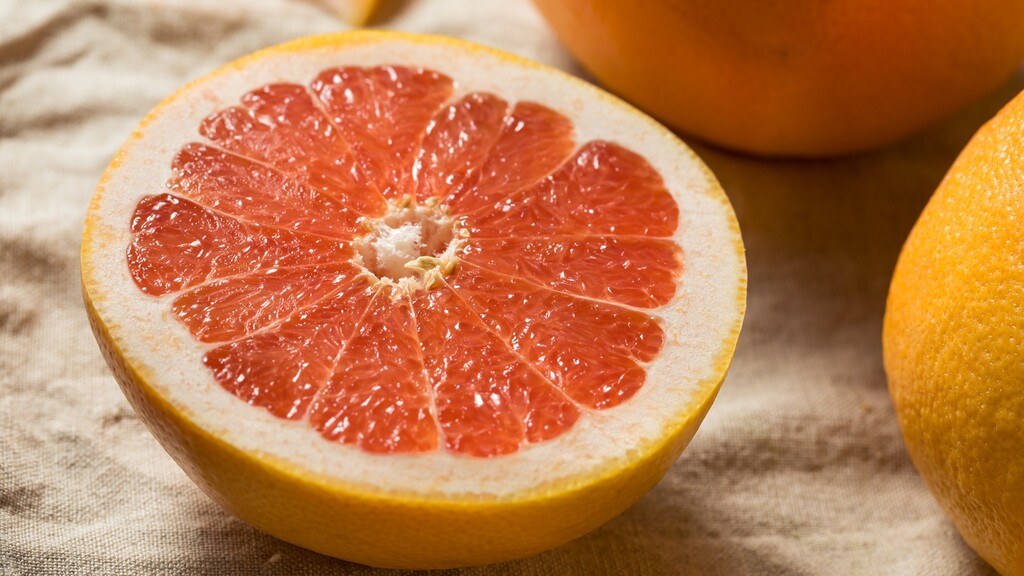
Grapefruit is heavily researched for its metabolic benefits. It provides an enormous amount of vitamin C and has a minimal impact on blood glucose. A safe portion is usually half of a medium grapefruit. The bitter-sweet profile satisfies cravings while keeping your sugar stable. If you take statins or certain blood pressure medications, check with your pharmacist first, as grapefruit can interact with how your body metabolizes or absorbs those drugs.
3. Blackberries (GI: 25)
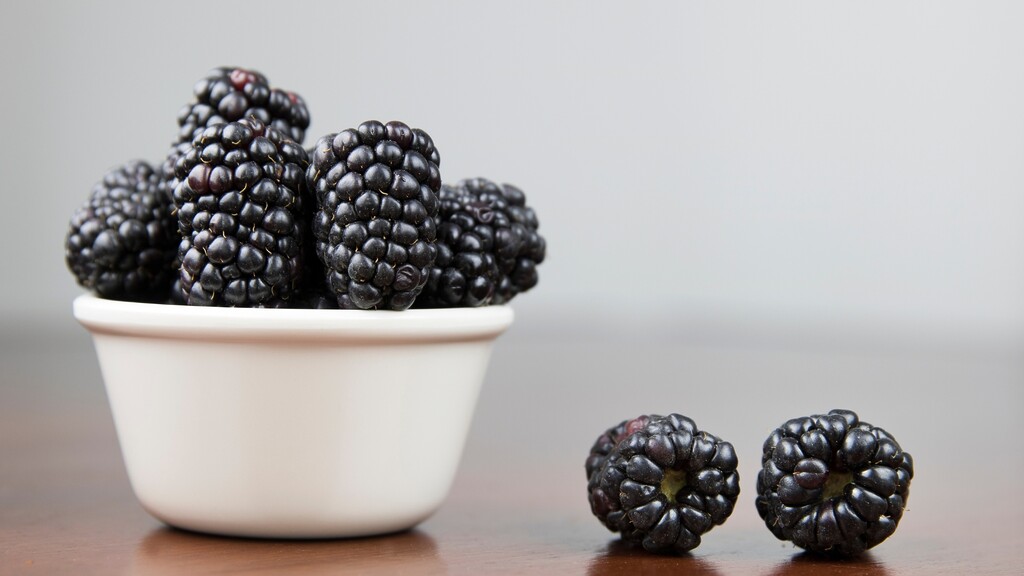
Berries are universally praised as diabetes friendly fruits for a reason. Blackberries offer massive fiber content compared to their physical size. The seeds and skins provide roughage that forces your digestive system to work harder, slowing the release of sugar into your bloodstream. You can eat a full cup of blackberries for very few net carbohydrates.
4. Raspberries (GI: 32)
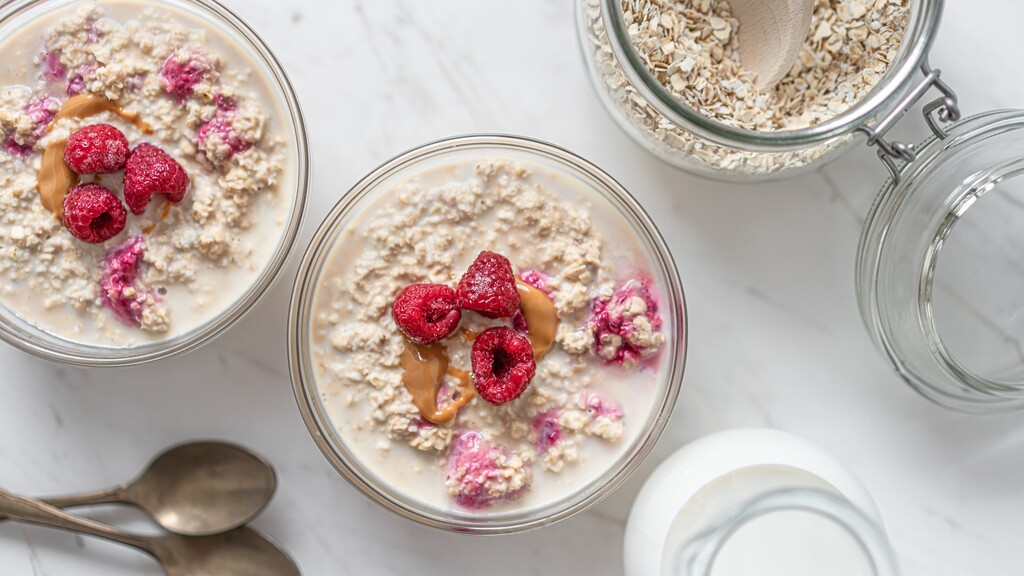
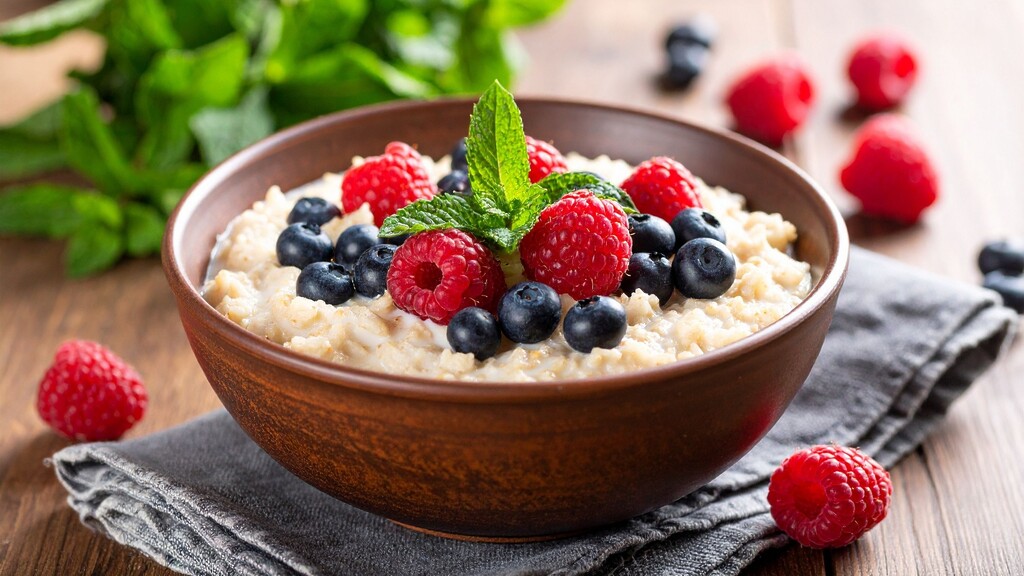
Like their dark cousins, raspberries are a nutritional powerhouse. A single cup delivers roughly eight grams of fiber. They are delicate and spoil quickly, so I buy them frozen during the winter months. Toss half a cup of frozen raspberries directly into oatmeal while it cooks. They will melt slightly and sweeten the oats naturally without requiring maple syrup or honey.
5. Strawberries (GI: 40)
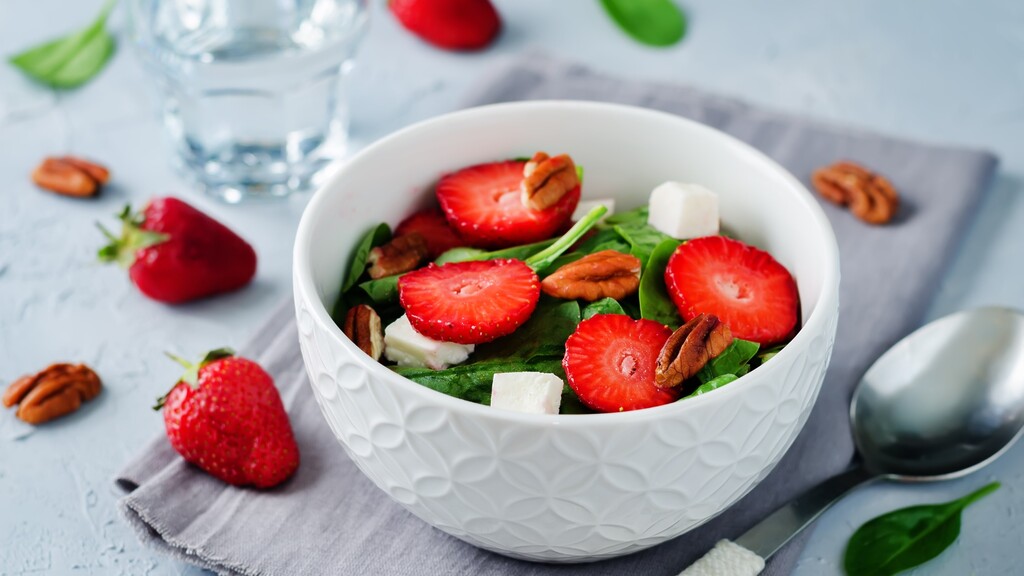
Strawberries feel like a decadent treat, but they are surprisingly low in sugar. They have more water content than many other fruits, which keeps their overall carbohydrate load down. Slicing a full cup of them over a spinach salad with some pecans adds a bright acidity that works perfectly for a low-carb lunch.
6. Apples (GI: 38)
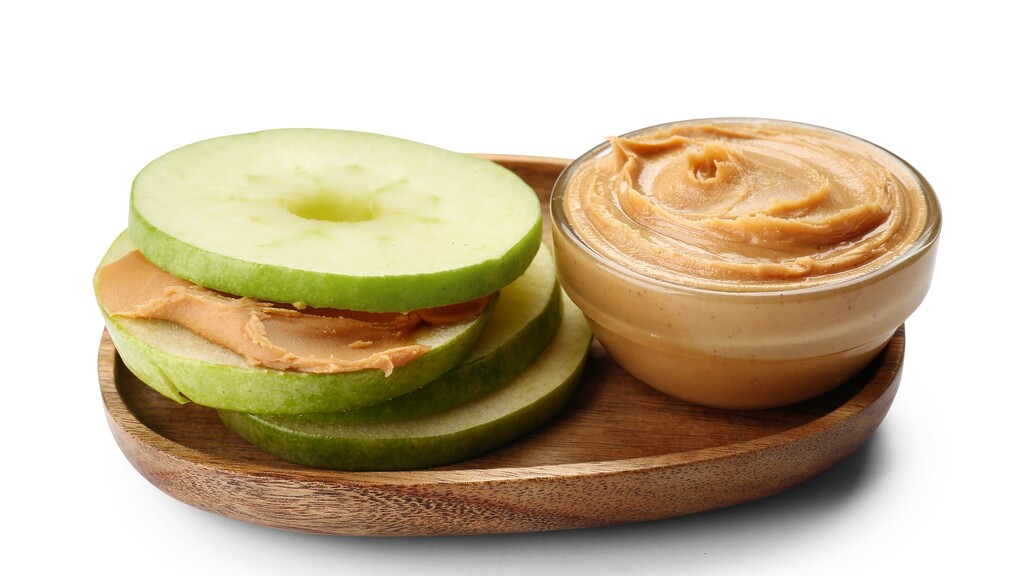
Apples are cheap, accessible, and travel perfectly in a work bag. They hover right around 38 on the index. Stick to one small apple per sitting, and the rule here is simple: never peel it. The skin holds the majority of the fiber and the nutrients. Crisp, tart varieties like Granny Smith tend to have slightly lower sugar concentrations than overly sweet hybrids like Fuji or Honeycrisp.
7. Pears (GI: 38)
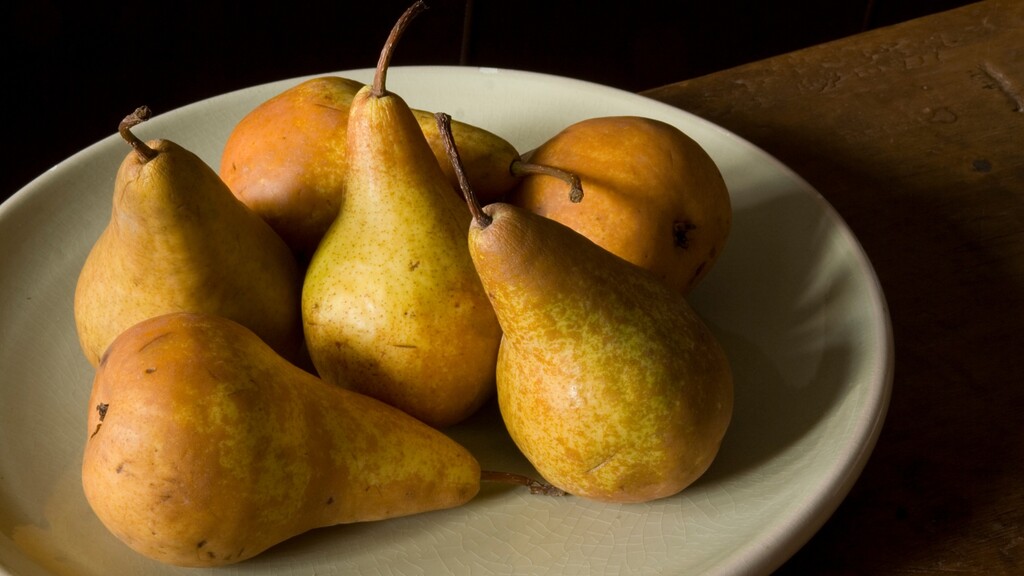
Pears offer a beautiful, buttery texture that feels completely different from a crisp apple. They are fantastic low sugar fruits for diabetes provided you eat them fresh and stick to one small pear per serving. Canned pears are almost always swimming in heavy syrup, which completely negates their natural low-GI status. Look for fresh Bosc or Anjou pears, and eat them just as they soften.
8. Plums (GI: 40)
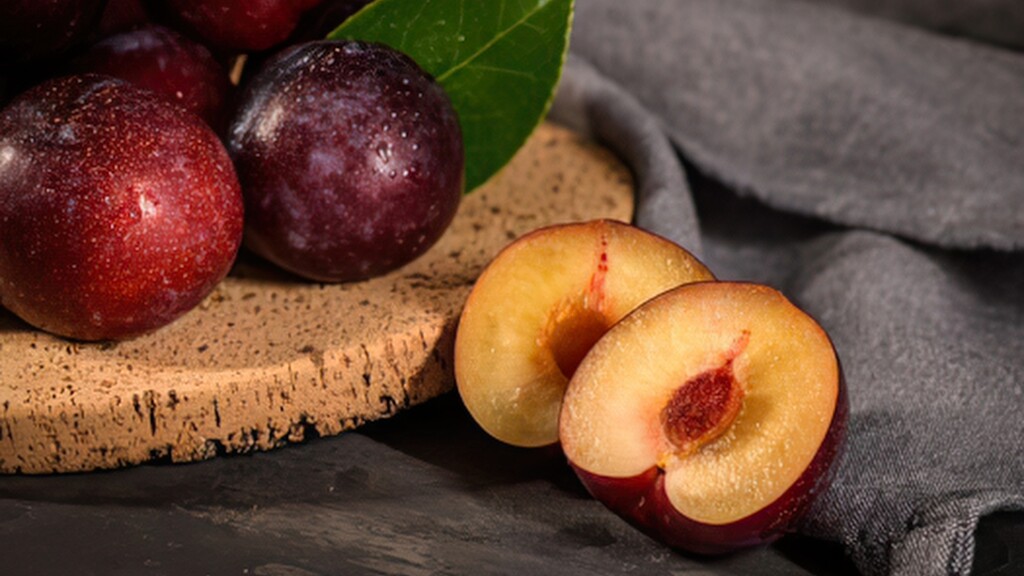
Fresh plums are juicy, portable, and sit comfortably in the safe zone for blood sugar. Two small plums make a perfect snack-sized portion. The distinction here is crucial. You want the fresh plum, not the dried prune. Drying fruit concentrates the carbohydrates by removing the water, so the portion gets tiny fast.
9. Peaches (GI: 42)
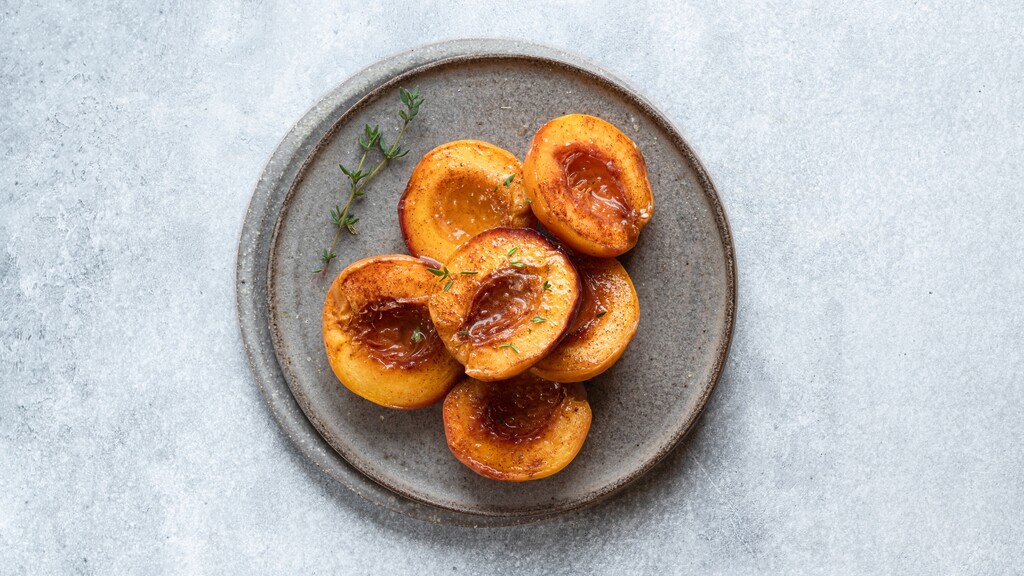
A fresh peach in the middle of summer is unmatched. Like apples and pears, the skin is non-negotiable, and one medium peach is your target portion. If you find yourself wanting a warm dessert in the evening, cut a fresh peach in half, remove the pit, sprinkle it with cinnamon, and bake it at 350°F for fifteen minutes. The heat intensifies the sweetness without adding a single gram of extra sugar.
10. Oranges (GI: 43)
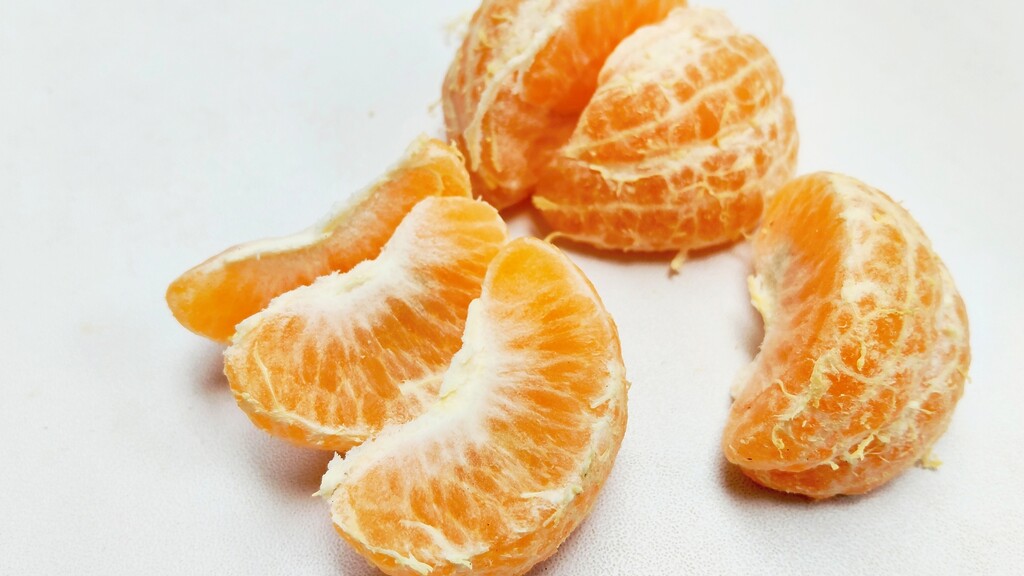
Oranges take time to peel and chew. That mechanical process slows you down, giving your brain time to register fullness. Keep your serving to one small or medium orange. The white, spongy pith you usually try to pick off contains pectin. Leave a little bit of it on. It is a soluble fiber that can help slow digestion of natural sugars.
The Secret to Eating Fruit Without the Spike
You might be worried that even these safer options could cause a spike if you eat them on an empty stomach. That can happen. Eating carbohydrates completely by themselves is like putting a foot heavy on the gas pedal.
Fruit is only a problem when we strip away its natural defenses. Eat the fiber, skip the juice, and your blood sugar will thank you.
Whenever you reach for fruit, pair it with a fat or a protein. A handful of almonds, a string cheese, a scoop of cottage cheese, or a spoonful of peanut butter acts as a metabolic speed bump. The fat and protein take much longer to break down, which can slow gastric emptying and help keep your glucose from shooting straight up.
Frequently Asked Questions
Are bananas okay for diabetics?
Bananas sit higher on the glycemic index than the fruits above, and the number shifts with ripeness. A green, unripe banana has more resistant starch. A brown, spotty banana has converted more of that starch to sugar. If you love bananas, eat them slightly green and stick to half a banana paired with a heavy scoop of nut butter.
Can I drink fruit juice if it says 100% natural?
Usually, no. Juicing removes most of the fiber. Even if no sugar is added, you are drinking a concentrated source of carbohydrate that can raise blood sugar quickly. Eat the whole fruit instead.
Is dried fruit safe?
Proceed with extreme caution. Raisins, dried cranberries, and dried apricots shrink down, meaning you can easily eat three times the amount you would eat fresh in a single handful. Many commercial brands also coat dried fruit in cane sugar. Stick to fresh or frozen whenever possible.
Finding a rhythm with your blood sugar takes patience and a little bit of trial and error. Grab a green apple, add a handful of walnuts, and see how your body responds.
Sources
- Anthocyanin supplementation and glycemic biomarkers – Frontiers in Nutrition, 2023.
- Grapefruit Juice and Some Drugs Don't Mix – U.S. Food and Drug Administration, 2021.
- Raspberries nutrition facts – USDA Standard Release via MyFoodData, accessed 2026.
- Best Fruit Choices for Diabetes – American Diabetes Association, accessed 2026.
- Fruit juices and smoothies – Diabetes UK, accessed 2026.
- Protein preload, glycaemia, and gastric emptying – Diabetes Research and Clinical Practice, 2015.
- Banana ripeness, starch, and sugars – PLOS ONE, 2021.
- International tables of glycemic index values – The American Journal of Clinical Nutrition, 2021.