

When I was diagnosed with Type 2 diabetes, my first grocery trip felt like a punishment. Every aisle seemed loaded with sugar or starch. Finding low carb vegetables for diabetics changed my A1C from 7.8% to 6.1%, mostly because I finally learned how to make them taste incredible.
Why Boring Veggies Spike Your Frustration
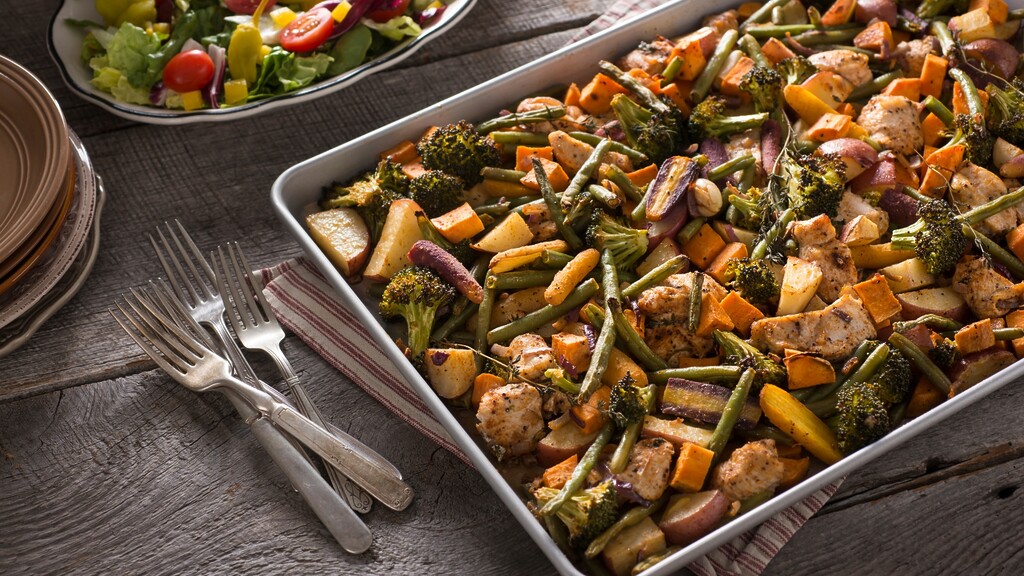
Steamed cauliflower gets old fast. The secret to eating enough non starchy vegetables for diabetes is treating them like the centerpiece of your plate. Fat and acid are your best tools here. Tossing asparagus in olive oil and a squeeze of lemon does more than improve the flavor. The added fat can slow gastric emptying, which may change how quickly blood sugar rises after a meal. You improve the taste and support your metabolic response at the exact same time.
The Most Versatile Low Glycemic Vegetables
You can eat leafy greens in unlimited quantities, but sometimes you need food with actual bite and substance. These options provide the bulk and satisfaction of heavier side dishes without the metabolic spike.
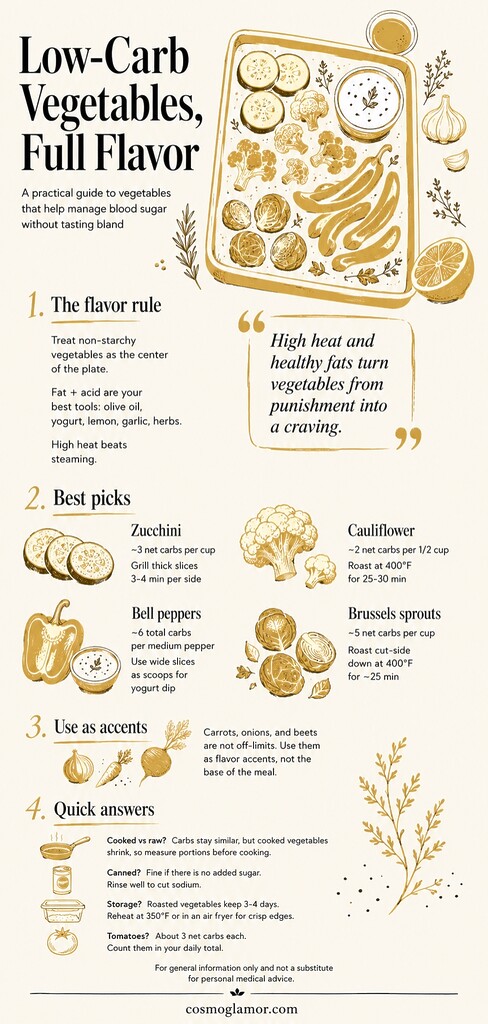
Zucchini
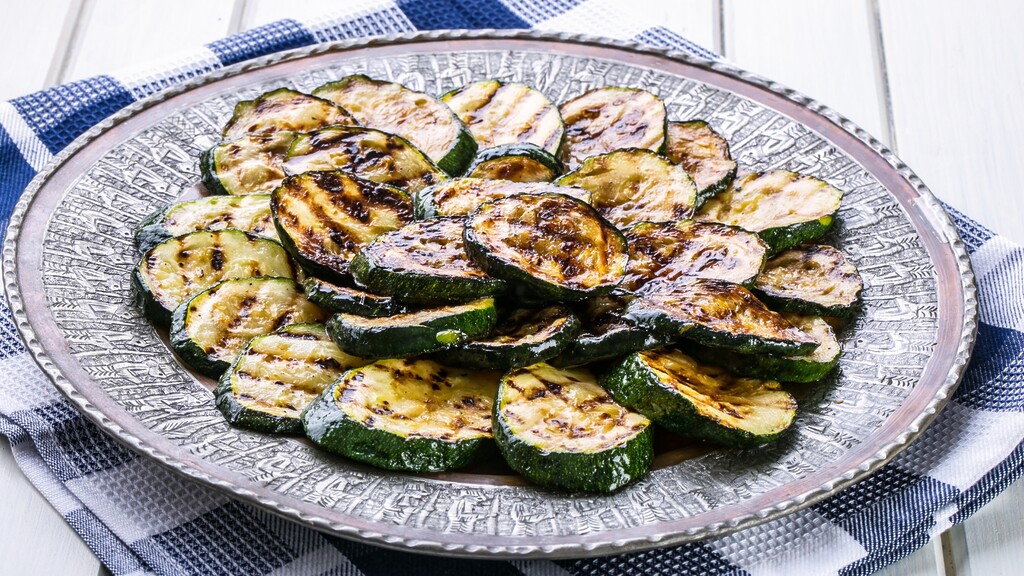
Zucchini absorbs whatever flavors you put in the pan. A cup of chopped zucchini holds only about three net carbs, making it one of the best vegetables for blood sugar management. Forget the watery, over-boiled squash from childhood. Slice it about half an inch thick, brush it with avocado oil, and grill it over medium-high heat for roughly three to four minutes per side. The high heat caramelizes the natural plant sugars without turning the vegetable to mush.
Cauliflower

You probably know about cauliflower rice, but roasting it whole or in thick steaks transforms the texture entirely. A half-cup serving sits right around two net carbs. Toss a medium head of florets in a half teaspoon each of smoked paprika and garlic powder, plus a generous pour of olive oil, before roasting at 400°F for about 25 to 30 minutes. High heat draws out the moisture and concentrates those savory, slightly sweet flavors.
Bell Peppers

Readers often worry about the sweetness of red and yellow peppers. While they do carry slightly more carbohydrates than spinach, a medium bell pepper only contains about six total carbs and delivers a massive amount of vitamin C. Their natural crunch satisfies the urge for chips. Slice them wide and use them as scoops for a quick dip made from a half cup of full-fat Greek yogurt mixed with a pinch of dried dill, a tablespoon of fresh chives, and a dash of salt.
Brussels Sprouts
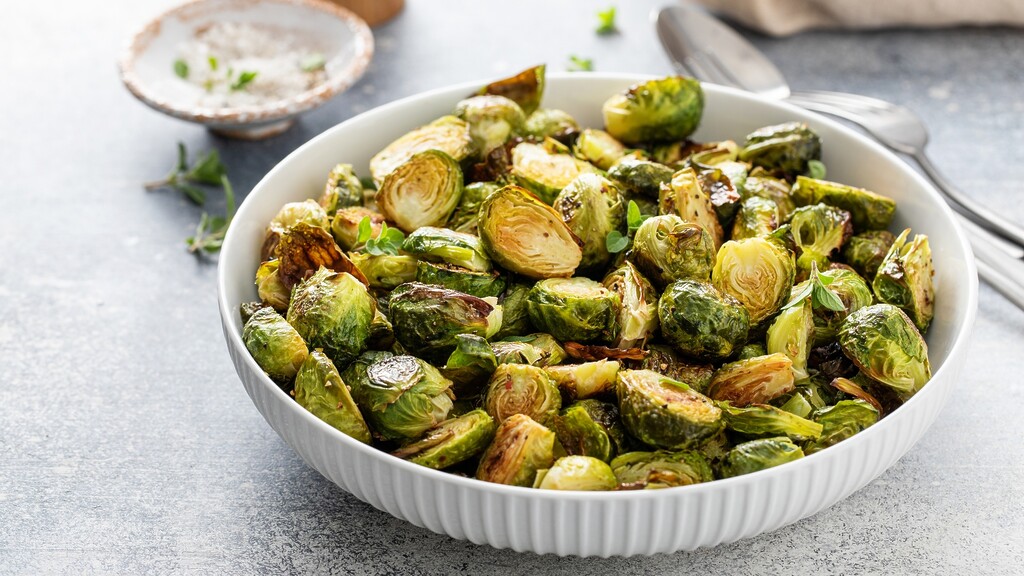
If you hate these, you probably had them steamed. Roasting Brussels sprouts face-down on a hot pan creates a crispy texture that completely masks any bitter notes. Cut them in half, coat them in bacon fat or olive oil, and bake them at 400°F for roughly 25 minutes until the outer leaves turn dark brown. They clock in at about five net carbs per cup. The extra fiber keeps you full well into the evening.
If you hate Brussels sprouts, you probably just had them steamed. High heat and healthy fats are the difference between a punishment and a craving.
What About Carrots and Onions?
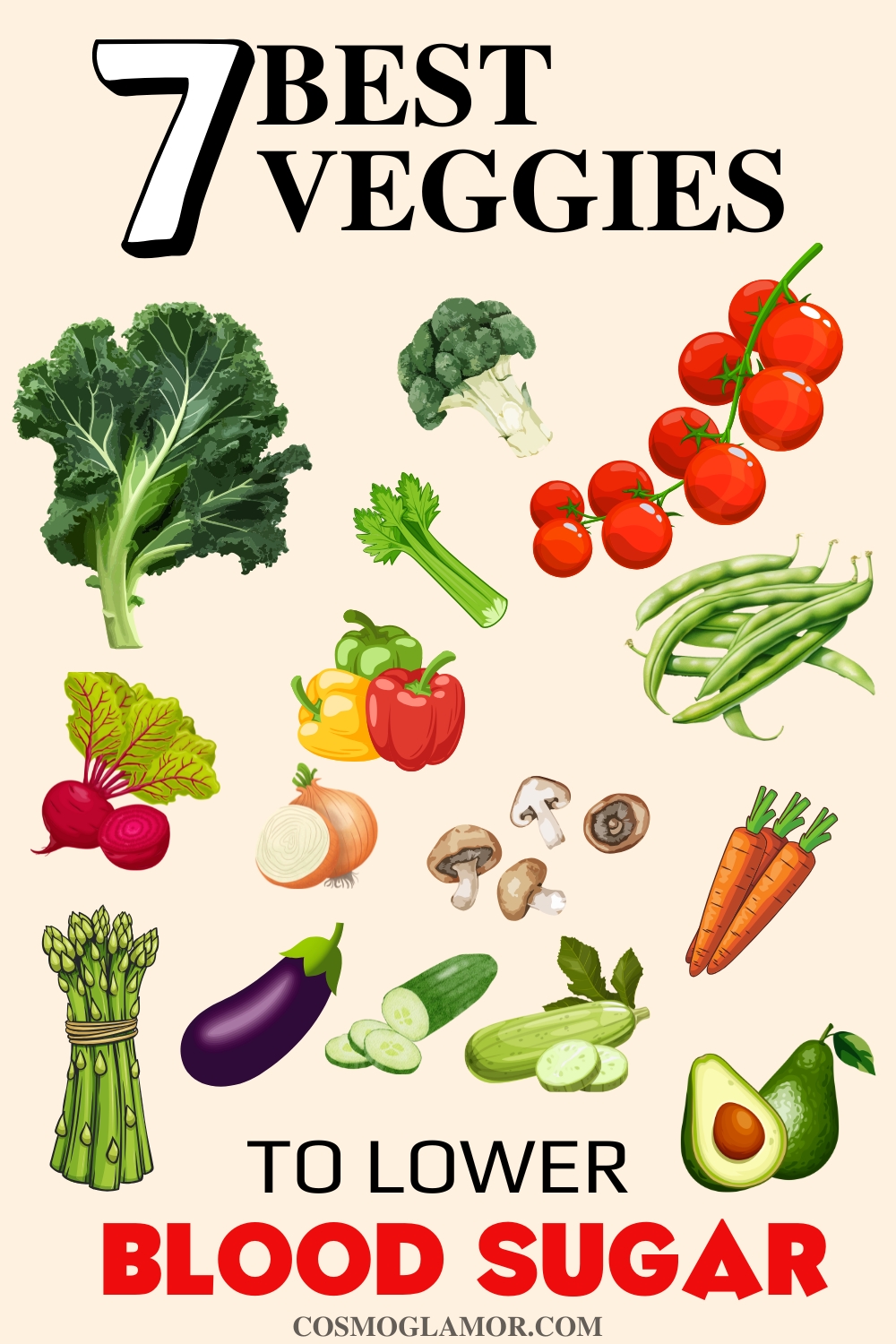
Most diabetic friendly vegetables grow above the ground. Roots and bulbs like carrots, onions, and beets carry more natural sugar because they store energy for the plant. You do not have to banish them entirely from your kitchen. Treat them as flavor accents rather than the base of your meal. Dice half a carrot into a massive pot of chicken soup, or use a few thin slices of red onion to bite through a rich salad. The protein and fiber in the surrounding meal will buffer the slight carbohydrate increase.
Quick Questions on Veggies and Blood Sugar
Do cooked vegetables have more carbs than raw?
Cooking softens the cellular walls and makes the vegetable shrink, meaning you can fit more into a measuring cup. The carbohydrate count per vegetable stays roughly the same, but a cup of cooked spinach holds significantly more plant matter than a cup of raw leaves. Just measure your portions before they hit the skillet.
Are canned vegetables safe?
Yes, as long as you check the label for added sugar. Canned green beans or artichoke hearts are incredibly convenient for busy weeknights. Rinse them thoroughly in a colander before cooking to strip away the excess sodium used in the canning process.
How long do roasted vegetables keep in the fridge?
Roasted cauliflower, zucchini, and Brussels sprouts stay good in an airtight container for about three to four days. To keep them from turning into a soggy mess, skip the microwave and reheat them in an air fryer or oven at 350°F for about five minutes to bring back the crisp edges.
Can I eat tomatoes freely?
Tomatoes are botanically a fruit, so they carry slightly more carbs than leafy greens. A medium tomato has about three net carbs. They fit perfectly into a low-carb approach, provided you count them toward your daily total rather than treating them as a free food.
Managing your numbers does not require eating bland food. It just requires a shift in how you build your plate. Grab a bottle of good olive oil, turn your oven up to 400°F, and let the heat do the work.
Sources
- Gut-based strategies to reduce postprandial glycaemia — Frontiers in Endocrinology, 2021.
- Raw zucchini nutrition facts — MyFoodData/USDA Standard Release, accessed 2026.
- Bell peppers nutrition information — USDA SNAP-Ed, accessed 2026.
- Raw Brussels sprouts nutrition facts — MyFoodData/USDA Standard Release, accessed 2026.
- Reducing salt intake — National CACFP Association/Institute of Child Nutrition, 2024.
- Cooked vegetables refrigerator storage — Foundation for Fresh Produce, 2026.
- Raw cauliflower nutrition facts — MyFoodData/USDA Standard Release, accessed 2026.
- Tomatoes nutrition facts — MyFoodData/USDA Standard Release, accessed 2026.