

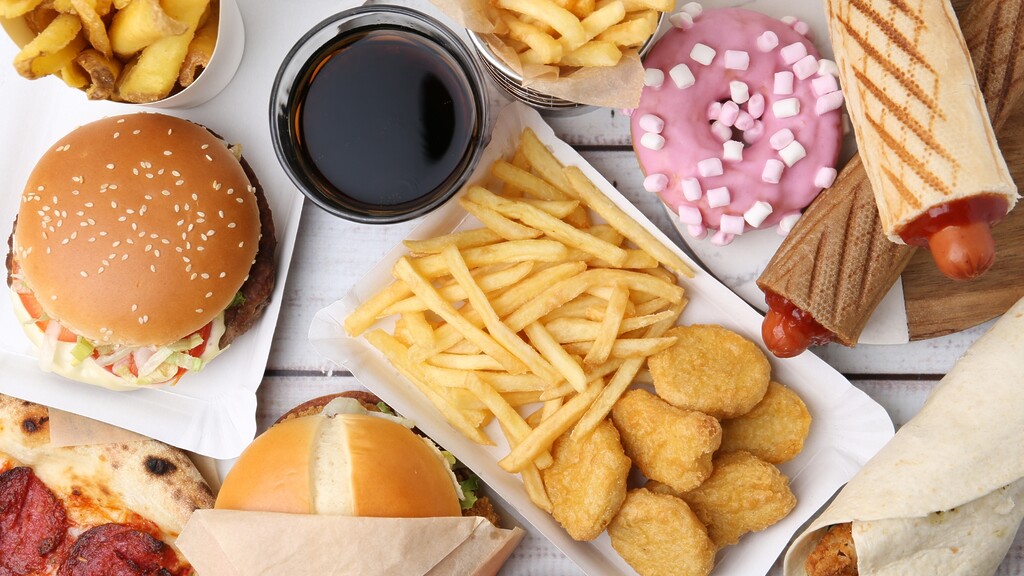
Drive-thrus used to give me massive anxiety after my Type 2 diagnosis. I thought my only option was a sad side salad. It turns out, finding fast food for diabetics is just about treating the menu as a collection of ingredients you can reassemble.
Jump to the universal drive-thru rules
The Menu is Modular
When I was first diagnosed, I treated my own health like a data project. I wanted to see exactly what it would take to bring my A1C from 7.8% down to 6.1% while raising three kids. That meant testing my blood sugar after a lot of different meals, including the frantic, eating-in-the-minivan ones.
What the data showed me was surprisingly freeing. The problem with eating out with diabetes isn't the burger patty or the cheese. The problem is the packaging—the massive, sugary buns, the breading, and the syrup-based sauces.
You don't have to order the number three combo exactly as it looks on the illuminated board. You are the one paying for the food. You can ask them to hold the bun, swap the sauce, or put the whole thing in a plastic bowl.
The Universal Rules for Diabetic Friendly Fast Food
Whether you are at a regional burger chain or a massive national franchise, the same biological rules apply. If you memorize these three adjustments, you can eat almost anywhere.
1. Toss the Top Bun
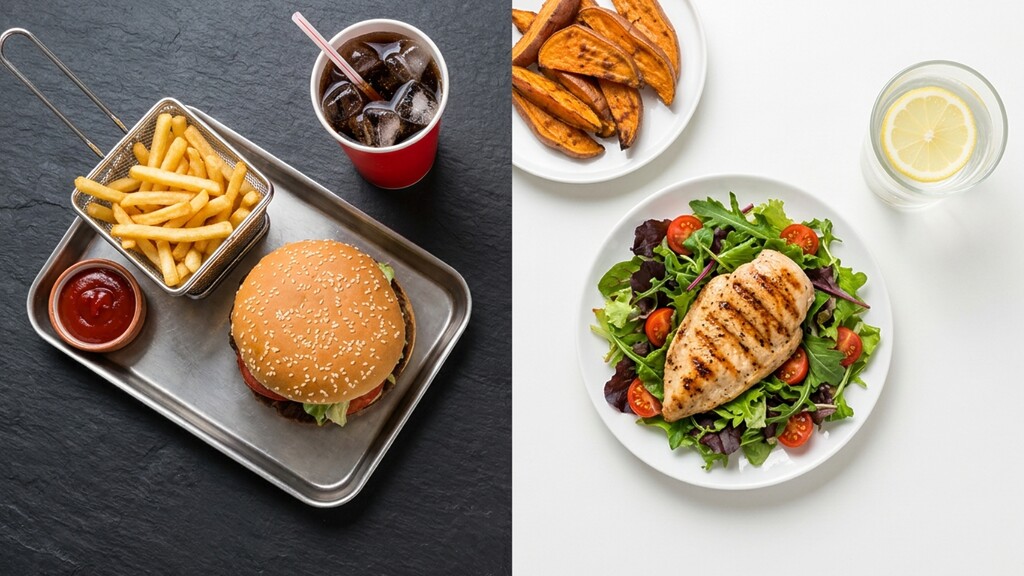
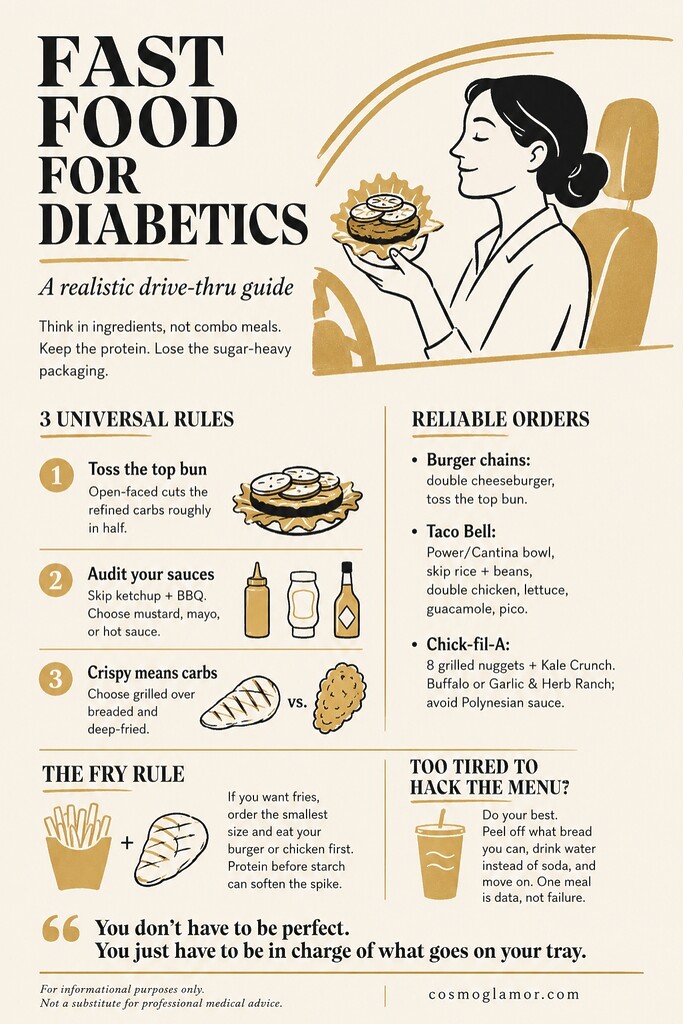
If you don't want the mess of a lettuce wrap, just order a standard burger and throw the top bun away. Eating the burger open-faced cuts the refined carbohydrate load roughly in half, dropping the glucose impact significantly while still letting you eat with your hands.
2. Audit Your Sauces
A packet of standard ketchup has about 2 grams of sugar. If you squeeze three packets onto your food, you've just added about 6 grams of sugar to your meal. Swap the ketchup and barbecue sauce for mustard, mayo, or hot sauce.
Wait, actually, with one caveat. Always check the salad dressing packets. We assume salads are safe, but sometimes a “lite” raspberry vinaigrette carries far more added sugar than a standard, full-fat ranch dressing.
3. Crispy Always Means Carbs
In the fast-food world, “crispy” is code for breaded and deep-fried. A grilled chicken sandwich will digest slowly and steadily. A crispy chicken sandwich introduces a heavy layer of flour and starch that hits your bloodstream fast.
What to Order at the Heavy Hitters
You don't need a massive diabetes fast food guide to survive a road trip. You just need a few reliable templates you can use at the most common exits.
The Burger Joints (McDonald's, Wendy's, Burger King)
Get a double cheeseburger. The single patty doesn't offer enough protein to keep you full, which leads to snacking later. Toss the top bun. I honestly believe the side salads at most burger chains are depressing and rarely worth the money, so skip them entirely. Focus on the protein and fat in the burger, and eat your vegetables at your next meal.
Taco Bell
Ask for the Power Menu Bowl (or Cantina Bowl, depending on current branding). Skip the rice and beans, and double up on the chicken, lettuce, guacamole, and pico de gallo. It turns a carb-heavy meal into a high-protein, high-fiber bowl that won't ruin your afternoon.
Chick-fil-A
An eight-piece grilled nugget order with a side of their Kale Crunch salad is arguably the tightest macro profile in the industry. Use the Buffalo sauce or the Garlic and Herb Ranch. Avoid the Polynesian sauce entirely—it's essentially dyed corn syrup.
The French Fry Dilemma
Eventually, you are going to smell the fryer and you are going to want the fries. It happens to all of us.
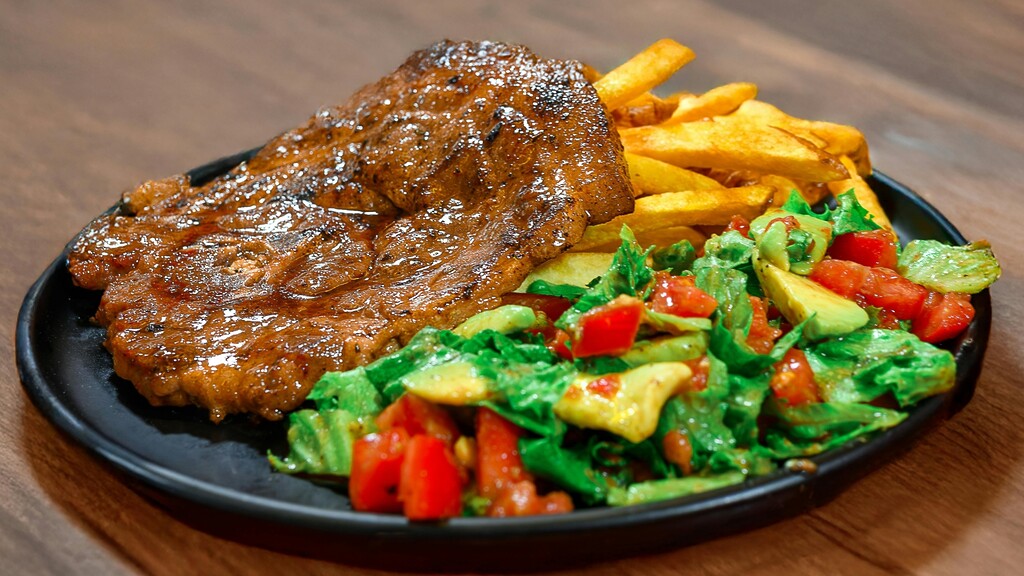
If you genuinely want them, trying to suppress the craving with a wilted side salad usually just makes you miserable. Instead, order the smallest size available—often the kids' size. Eat your burger or chicken first. Putting the protein-heavy part of the meal into your stomach before the starch can blunt the glucose spike, slowing down how quickly glucose shows up after the meal.
When You Are Too Tired to Hack the Menu
There will be days when you are commuting in the dark, the kids are screaming in the back seat, and you do not have the energy to explain what an open-faced burger is to a speakerbox.
On those days, just do your best. Peel off whatever bread you easily can, drink water instead of soda, and move on with your life. One compromised meal on a Tuesday night is just a data point, not a failure.
You don't have to be perfect. You just have to be in charge of what goes on your tray.
Sources
- Dietary Advice For Individuals with Diabetes — Endotext/NCBI Bookshelf, 2024.
- Heinz Ketchup, Packets, 9 Gm — Gordon Food Service product PDF, 2017.
- Polynesian Sauce — Chick-fil-A, 2026.
- Food Order Has Significant Impact on Glucose and Insulin Levels — Weill Cornell Medicine, 2015.
- Save for Later6.3K



12 Responses
This is such a helpful guide! I’m a nurse with type 2 diabetes, and I often have to grab food on the go between shifts. I’m honestly surprised that the Egg McMuffin is on the ‘okay’ list – I always thought they were a no-no. Is it really okay to eat the whole thing, English muffin and all? Also, I’ve heard that some places will do lettuce wraps instead of buns, but I always feel awkward asking. Do you have any tips for making those special requests without feeling like a total pain in the you-know-what?
Hi Deborah! Thanks for the kind words! I’m glad you found it helpful. Yes, the Egg McMuffin can be a decent choice, especially if you skip the Canadian bacon. The whole thing, English muffin included, provides a reasonable balance of protein and carbs. But of course, listen to your body and monitor your blood sugar to see how it affects you. As for special requests, don’t feel awkward at all! Most places are used to it these days. Just be polite and clear about what you need. You can say something like, ‘Could I please have that burger with a lettuce wrap instead of a bun?’ It also helps to know they offer it ahead of time. It’s all about advocating for your health, and any decent restaurant will understand that!
Okay, I’ll admit it, I love fast food. But my doctor’s been nagging me about my blood sugar, so I guess I need to make some changes. This article is a good start, but I have a major weakness for milkshakes. Are there ANY fast-food milkshakes that aren’t a total sugar disaster? Also, what about those ‘healthy’ fast-food places like Chipotle or Panera? Are they really any better, or is it just a marketing trick? And one last thing – your article mentions bringing your own seasoning for low sodium. What kind of seasoning do you recommend?
Hi Melissa! I hear you – the siren call of milkshakes is strong! Unfortunately, most fast-food milkshakes are sugar bombs. Your best bet is probably a small size and to consider it a rare treat. Some places might offer a “light” or “no sugar added” version, but always check the nutrition info. As for places like Chipotle and Panera, they can be healthier options, but it still depends on what you order. They tend to use fresher ingredients, but portion sizes can still be large, and some of their sauces and dressings can be high in sugar and sodium. So, the same rules apply – be mindful of your choices! Regarding seasonings, I love Mrs. Dash or any salt-free blend. There are lots of great options out there with different flavor profiles – garlic and herb, lemon pepper, even spicy ones! Experiment and find what you like best. Hope this helps!
This article is a lifesaver! I’m always on the road for work, and figuring out what to eat at fast-food places has been a real struggle since my Type 2 diagnosis. I had no idea you could order things “Fresco Style” at Taco Bell – that’s a game-changer! But I’m a bit confused about the whole “glycemic index” thing. The article mentions it, but doesn’t really explain it. Is it something I should be paying attention to, and how does it relate to carb counting? Also, is diet soda really okay? I’ve heard mixed things. LOL, I don’t want to make a bad situation worse.
Hi Ava! I’m so glad you found the article helpful! It’s definitely tricky navigating fast food with diabetes, but it’s totally doable. You’re right, the glycemic index (GI) can be a bit confusing. Basically, it’s a ranking of how quickly different carbohydrate-containing foods raise your blood sugar levels. Foods with a high GI cause a rapid spike, while low GI foods have a slower, gentler effect. It’s something to consider, especially if you’re trying to manage your blood sugar closely. It’s related to carb counting, but they’re not exactly the same. Carb counting focuses on the total amount of carbs, while GI considers the quality of those carbs. As for diet soda, it’s generally a better choice than regular soda because it doesn’t have sugar. However, there’s some debate about the long-term effects of artificial sweeteners. Water or unsweetened tea are still the best options, but an occasional diet soda is probably fine. Hope that clears things up!
Okay, this is all great in theory, but let’s be real. Sometimes you’re just starving and you pull into the first fast-food place you see. There’s no time for researching menus and nutritional info! Plus, I travel to different states all of the time, and not all fast food places have the same menu. I need some advice for those “emergency” situations. Also, are any of these places actually good? I’m sacrificing enough with my diet as it is. LOL! Also, what’s the deal with those “healthy” fast-food salads? They always seem like a safe bet, but are they really?
Hi Léa! You’re absolutely right – sometimes you just need to grab something quick! In those “emergency” situations, I’d say your best bet is to stick with the basics: grilled chicken (sandwich, hold the bun, or a salad), a side salad, or even just a plain burger without the bun. Most places have these options, even if the menus vary. As for whether these places are “good” – well, taste is subjective, but many people find that grilled options with some added veggies can be surprisingly satisfying! And you’re smart to question those “healthy” salads! They can be a trap if they’re loaded with high-calorie dressings, croutons, and cheese. Always check the nutritional info if you can, or ask for dressing on the side and use it sparingly. I would also recommend that you do some research on fast food places in the states that you frequent the most. This way, you have a list of go-to places and meals that you can rely on. It will take some time, but it will help you in those emergency situations.
Okay, this is helpful, but let’s be real. Sometimes, the siren song of the McFlurry is just too strong. Is there any way to indulge occasionally without completely derailing my blood sugar? Like, a “once-a-month McFlurry survival guide” maybe?
Lucía, I feel you! The McFlurry temptation is real. While I can’t endorse a daily McFlurry habit, a monthly indulgence isn’t the end of the world. The key is damage control. First, choose the smallest size. Second, be extra mindful of your carbs for the rest of the day – maybe skip the fries with your burger (if you’re having one!). Third, and this is crucial, enjoy it mindfully. Savor every spoonful. The guilt-free enjoyment might actually help you from overdoing it. And hey, maybe consider a “light” McFlurry version, if available, or even better, a fruit parfait. It’s all about making informed choices and enjoying in moderation!
This article is great, but what about those late-night cravings? Like, it’s 11 PM, you’re driving home, and the only thing open is a 24-hour drive-thru. Are there any healthy options at that hour, or am I doomed to a blood sugar rollercoaster all night? Seriously, this is a real-life dilemma.
Carolyn, late-night cravings are the ultimate test of willpower! You’re right, options are limited at that hour. Your best bet is to plan ahead. Keep some healthy snacks in your car or at home for those late-night emergencies – a handful of nuts, a protein bar, or even some pre-cut veggies. If you absolutely must hit the drive-thru, look for grilled chicken nuggets (not the breaded ones!), a side salad with a light vinaigrette, or even just a plain hamburger (ditch the bun and toppings). Water is your best friend at this hour. Avoid sugary drinks and fries at all costs. It’s all about making the best of a tough situation and remembering that your health is worth it!