
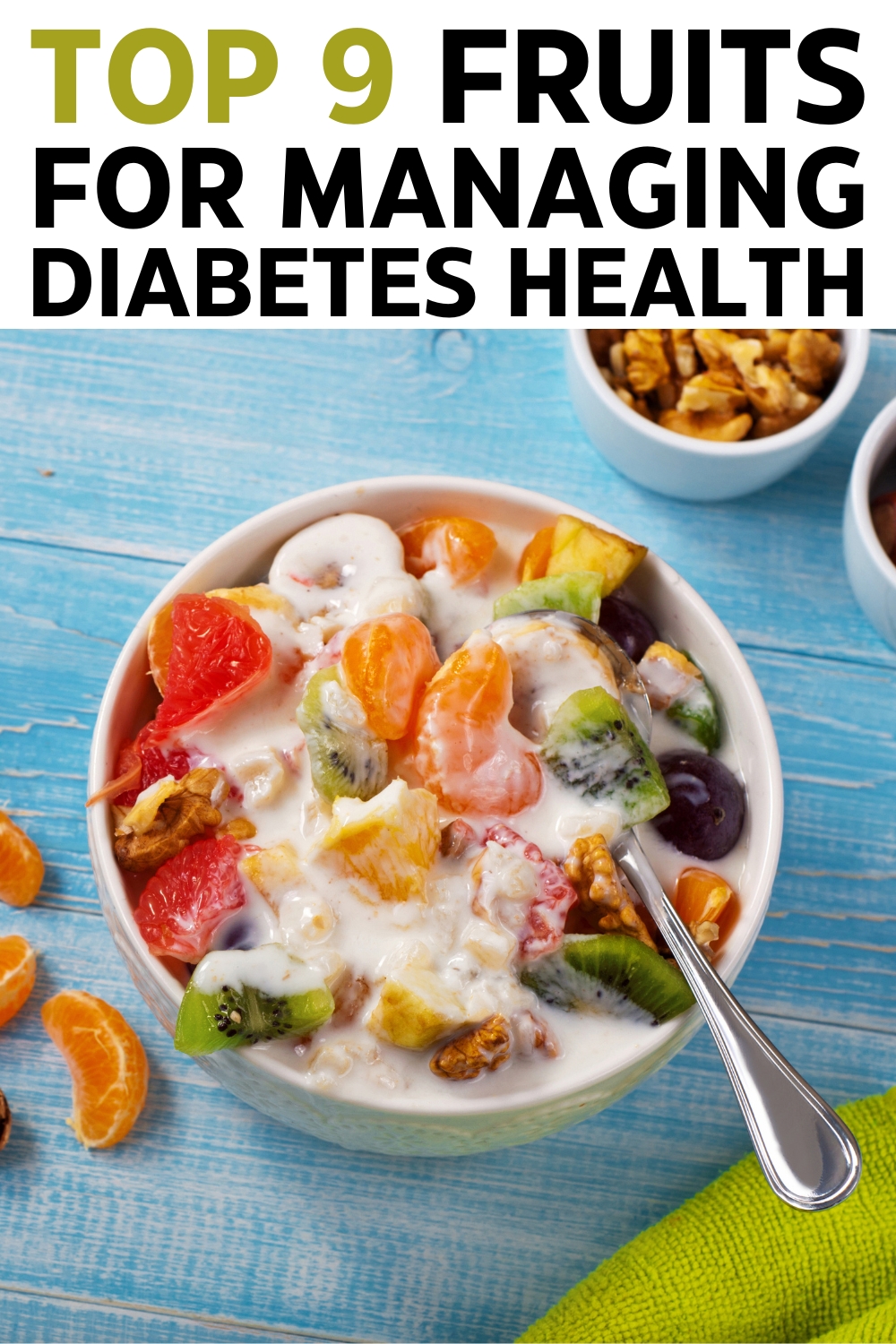


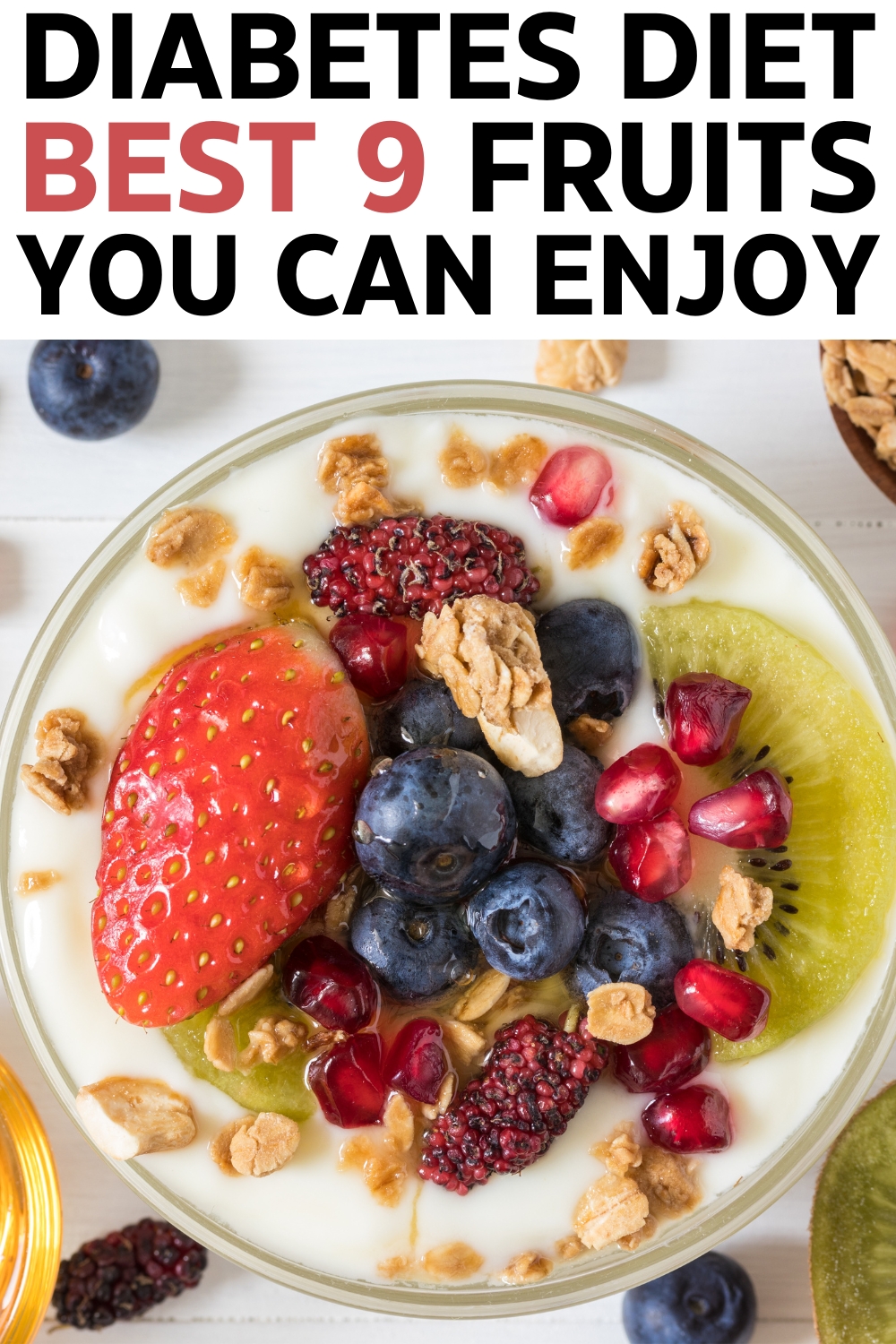
When my doctor first handed me a Type 2 diabetes diagnosis and a 7.8% A1C, my immediate thought was that I had to give up everything sweet. Fruit suddenly felt like a trap. But living on plain chicken and lettuce is no way to survive, let alone enjoy a family dinner. If you are searching for the best fruits for diabetics, the answer is not to avoid the produce aisle completely. It is about knowing which options work with your body instead of against it.
Jump to the 9 smart fruit choices
I treat my health like a data project. Over the last eighteen months, I tested how different foods impacted my glucose meter. I managed to bring my A1C down to a steady 6.1%, and fruit is absolutely still in my kitchen. You just have to change how you look at it.
Quick note: I am a researcher and a fellow patient, not a doctor. I am sharing the choices that helped me manage my blood sugar, but we all process carbohydrates differently. Always check with your care team before changing your routine.
The Golden Rule of Diabetes Friendly Fruits
The trick to enjoying fruit is treating it like a package deal. A piece of fruit is a carbohydrate, and carbohydrates raise blood sugar. The deciding factor is how fast that happens.
When picking fruits to eat with diabetes, you want options wrapped in a thick layer of natural fiber. Fiber slows down your digestion. It acts as a buffer, releasing the natural sugars into your bloodstream at a slow, manageable drip rather than a sudden flood.
Never eat a naked carbohydrate. If you want a piece of fruit, pair it with a source of fat or protein to put the brakes on your blood sugar response.
That means adding a spoonful of peanut butter to your apple slices, or grabbing a small handful of walnuts with your berries. The fat and protein further delay digestion, keeping your numbers much more stable.
9 Smart Choices: Low Sugar Fruits for Diabetics
These nine options offer the best balance of high fiber, lower total carbohydrates, and great flavor.
1. Raspberries and Blackberries
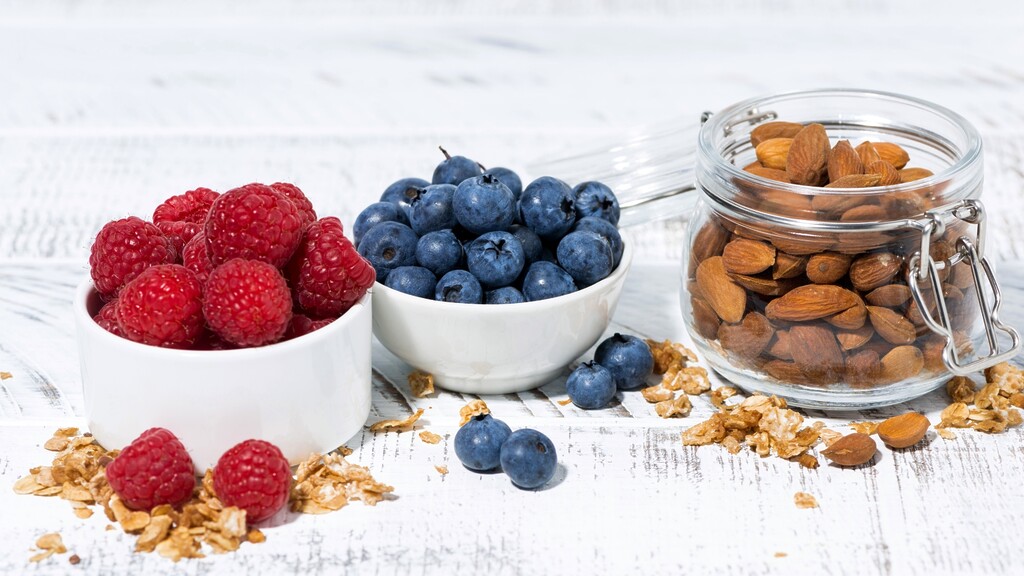
Berries are the undisputed champions of a blood-sugar-conscious kitchen. A half-cup of raspberries packs roughly four grams of fiber for only about seven to eight grams of total carbs.
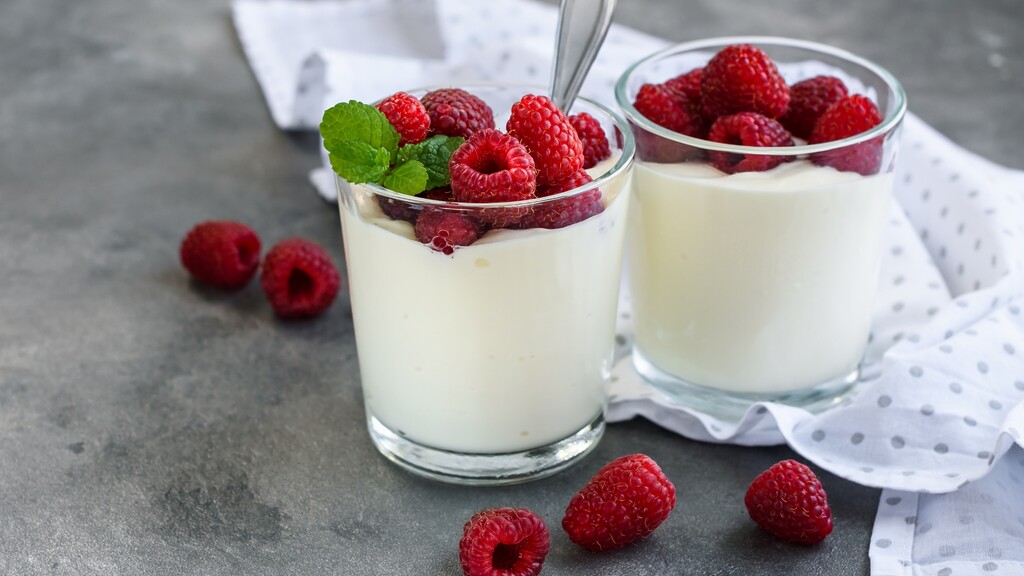
They are incredibly nutrient-dense, and their tiny seeds do a lot of the heavy lifting. Those seeds are mostly insoluble fiber, which passes through your system intact and helps keep your post-meal numbers flat. Toss a handful of berries into plain Greek yogurt for an ideal mix of protein, fat, and fiber.
2. Tart Apples
Apples are a fantastic, portable snack that you can find at any grocery store year-round. Green varieties like Granny Smith generally have slightly less sugar than the sweeter Fuji or Honeycrisp types.
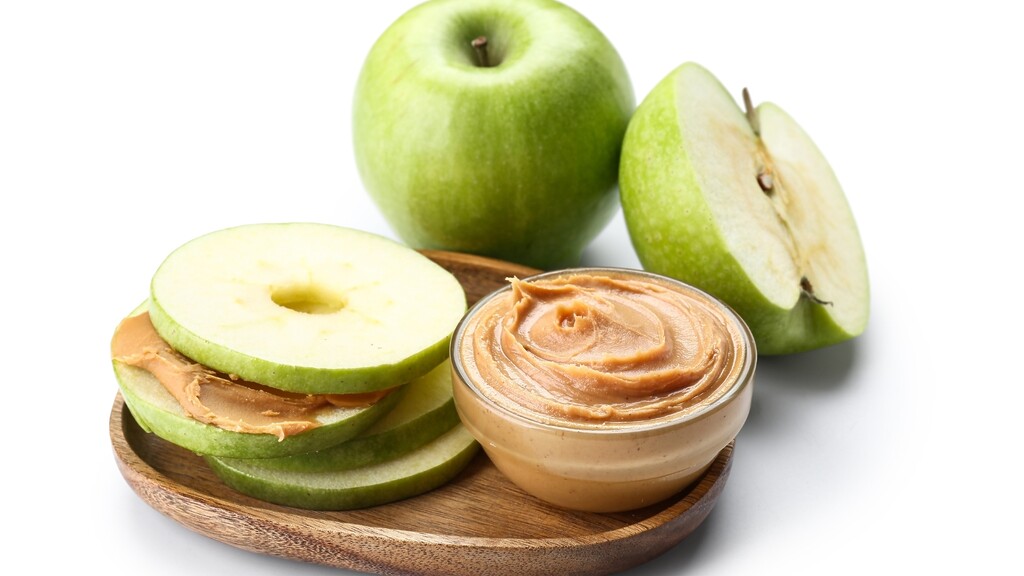
A small apple – or half of a large one – is your sweet spot for a serving size. Just make sure you leave the skin on when you eat it. The tough outer peel contains a high concentration of pectin. This specific type of soluble fiber turns into a gel during digestion, which effectively traps sugars and slows their absorption into your bloodstream. Dip your slices in a tablespoon of almond butter to lock down the glucose spike.
3. Avocados
People often forget that avocados are technically a fruit. They are also practically magic for metabolic health.
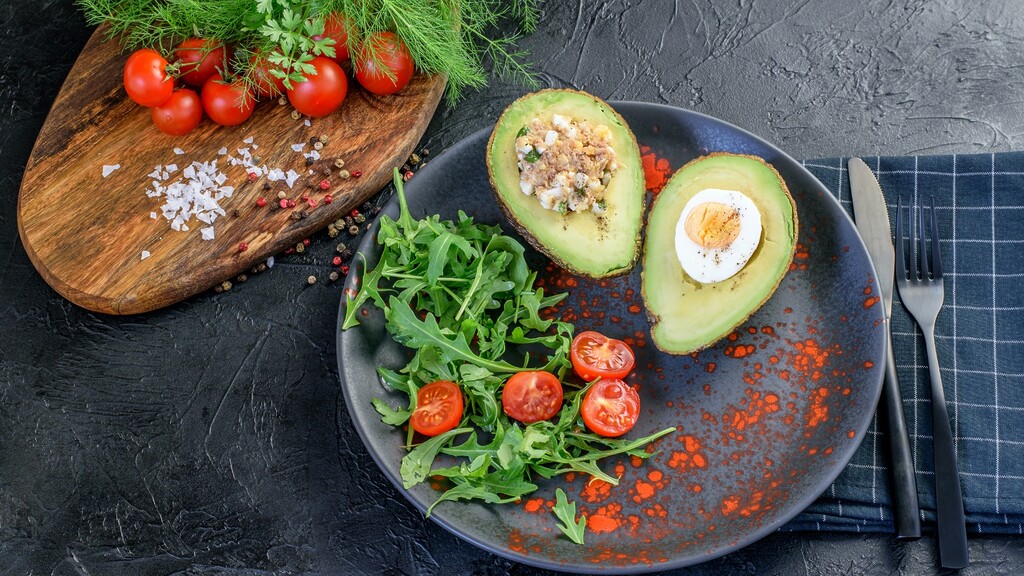
A whole avocado contains about one gram of sugar. Use mashed avocado instead of mayonnaise on a low-carb wrap. The high monounsaturated fat content keeps you full for hours and creates a massive buffer against any other carbohydrates you eat at the same meal.
4. Plums
When my kids ask for a sweet snack, plums are an easy win that I can safely eat right alongside them.
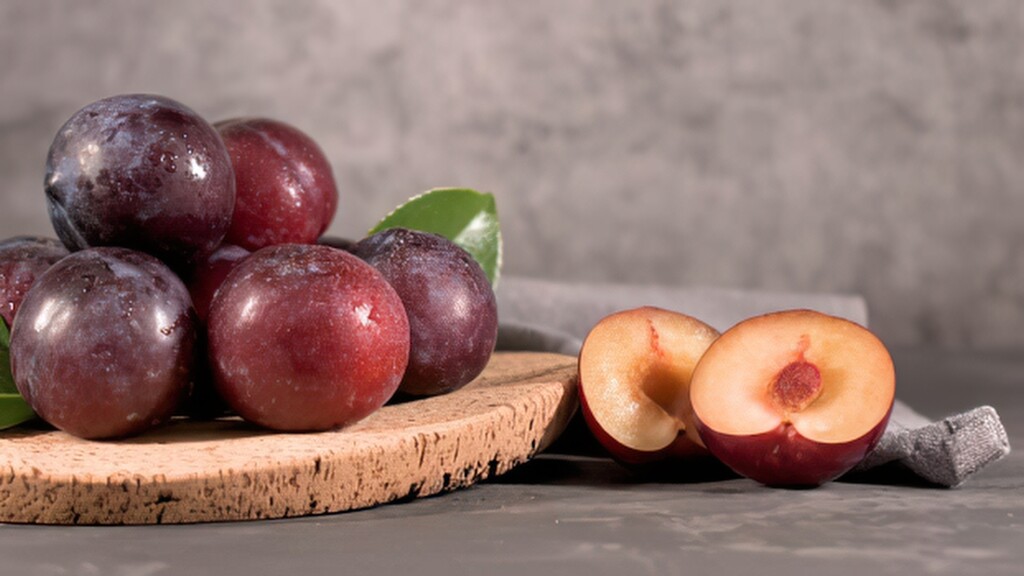
One medium plum has about seven grams of sugar, and its small physical size makes automatic portion control completely effortless. You do not need to pull out measuring cups. Just eat one plum alongside a piece of string cheese and move on with your day.
5. Peaches
Warm weather brings peach season, and there is no reason to skip it. You just need to be selective about which ones you buy.
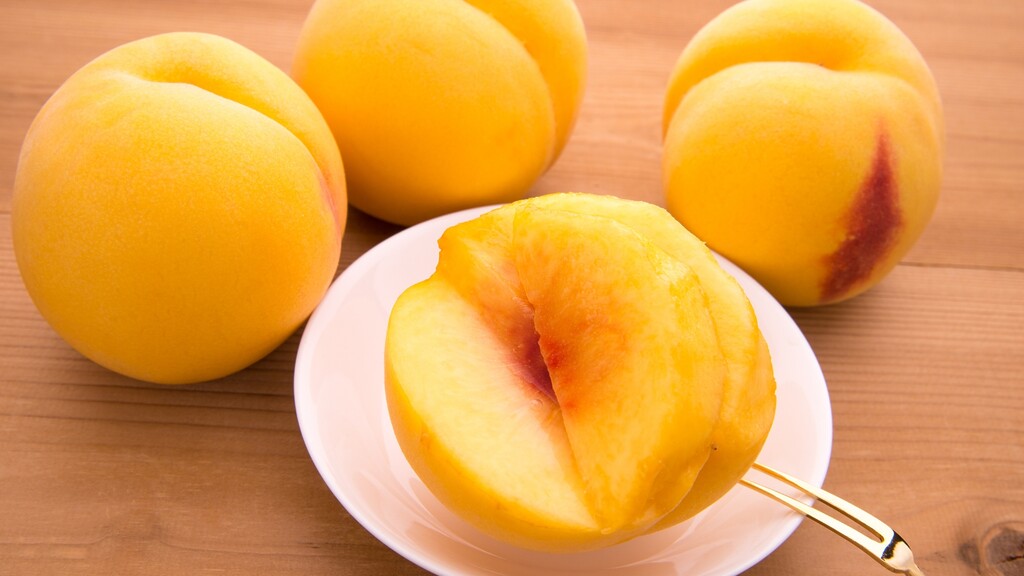
Choose peaches that are still slightly firm rather than overly soft. As fruit ripens and gets softer, its complex starches break down into simple sugars. A firmer peach may be the gentler choice than a dripping, overripe one. Half a medium peach paired with a half-cup of cottage cheese is a phenomenal afternoon bridge meal.
6. Cherries
Cherries feel like a decadent treat, but a measured portion can still fit into a blood-sugar-conscious snack. The danger here is volume – it is incredibly easy to accidentally eat three servings while watching television.
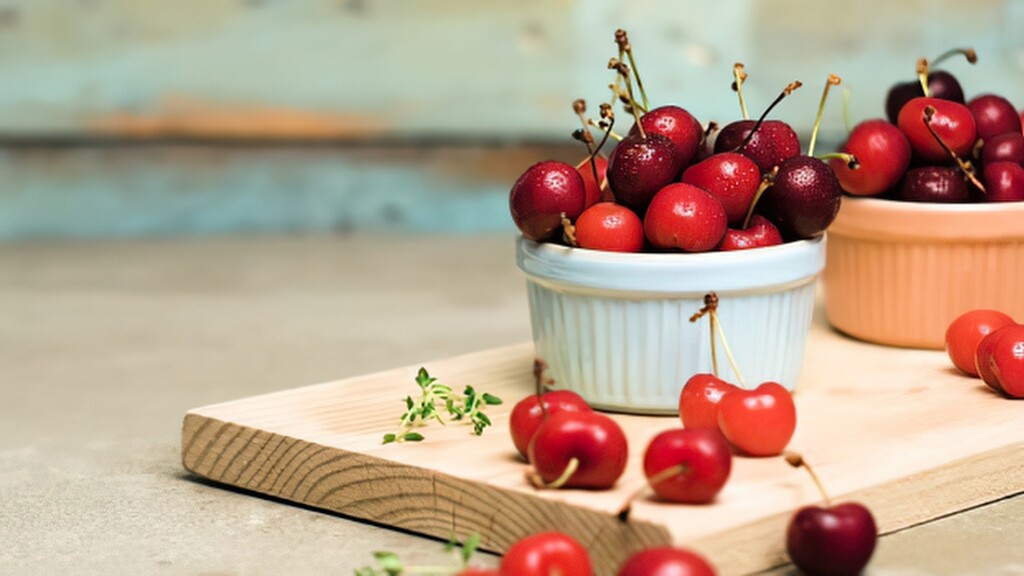
Because they are small, the trick is friction. Buy cherries with the pits still inside. Forcing yourself to eat around the pit slows down your eating speed, giving your brain time to register fullness. Stick to a realistic portion of about 14 cherries (roughly half a cup), and eat them alongside a small handful of pumpkin seeds to fulfill the golden rule.
7. Pears
Pears are excellent fiber powerhouses, often packing up to six grams in a medium-sized piece of fruit.
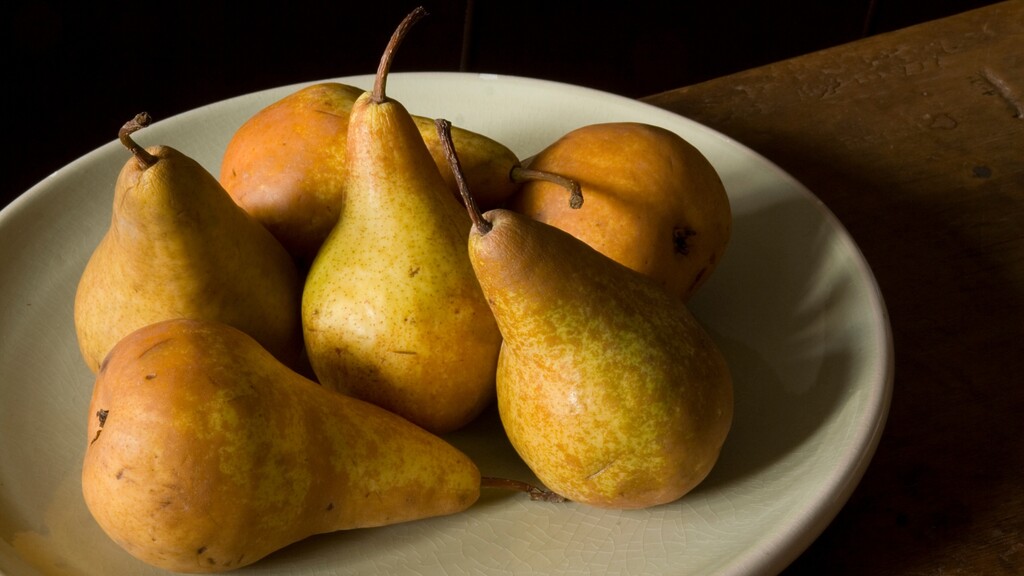
Much like apples, you ruin the benefit if you peel them. Eat your pears raw and unpeeled. Canned pears are typically stripped of their skin and packed in sugary syrups or juices, completely erasing the natural fiber advantage. Slice half a pear over a scoop of whole-milk ricotta cheese to ensure you are getting that vital fat buffer.
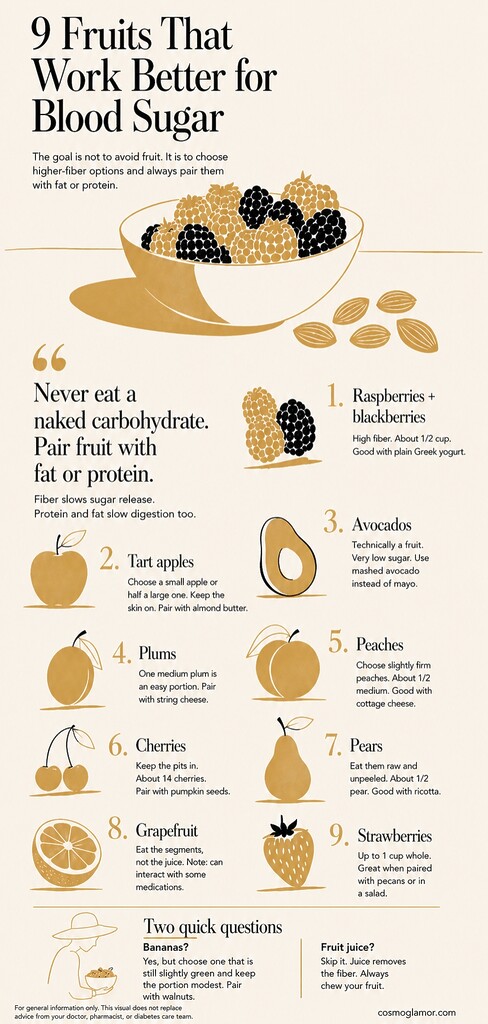
8. Grapefruit
Grapefruit is famously tart and packs a solid dose of vitamin C with a relatively low sugar footprint.
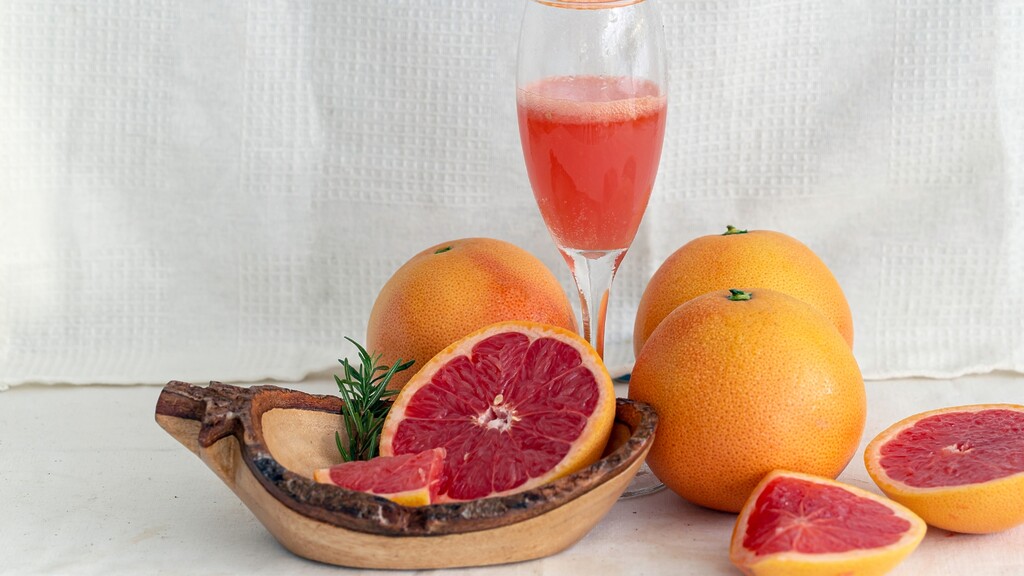
Half a medium grapefruit contains about eight grams of sugar. Eat the segments whole rather than juicing them. Squeezing the juice leaves all the fibrous membranes behind in the juicer, and that membrane is exactly what you need to steady your glucose response. Since grapefruit is so tart, people are often tempted to sprinkle sugar on top – skip that, and instead eat it alongside a hard-boiled egg for breakfast.
Safety check: Grapefruit interacts heavily with several common medications, including certain statins and blood pressure drugs. Always ask your pharmacist if this fruit is safe for your current prescriptions before adding it to your routine.
9. Strawberries
If you are someone who likes to eat a larger volume of food, strawberries are your best friend.
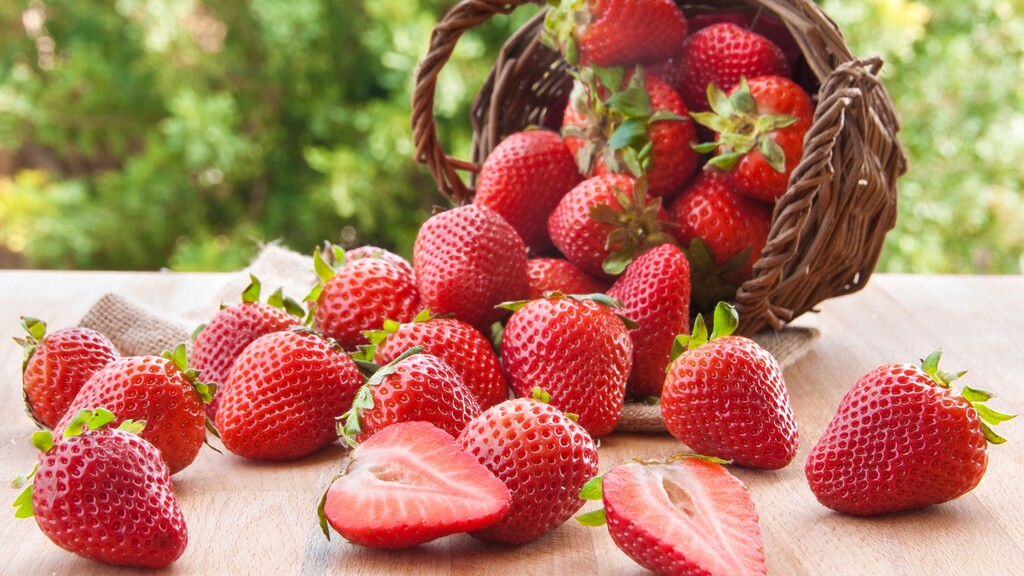
You can eat a full cup of whole strawberries for roughly eight grams of net carbs. They give you the visual satisfaction of a big, full bowl. I like to slice them over a salad with pecans and a vinaigrette dressing. The fat from the nuts and the acid from the vinegar both help flatten the metabolic curve.
Common Questions About Fruit and Blood Sugar
Can I eat bananas with diabetes?
Yes, but timing and ripeness matter. A brown, spotty banana has more free sugar and less resistant starch than a greener one. If you want a banana, eat it while the peel is still slightly green. Green bananas contain more resistant starch, a type of carbohydrate that your body cannot fully break down, and banana starch shifts toward simple sugars as the fruit ripens. Pair half a green banana with a handful of walnuts.
Is 100% pure fruit juice okay?
I avoid it entirely. Even if a label says “no added sugar,” fruit juice is just the natural sugars extracted from the fruit with all the protective fiber stripped away. Drinking a glass of apple juice can raise your blood sugar quickly. Always chew your fruit.
Managing your numbers does not mean giving up the things you enjoy eating. It just requires a slightly sharper strategy. Next time you reach for a piece of fruit, grab a handful of almonds to go with it and watch the difference it makes.
Sources
- Fiber Helps Control Blood Sugar – CDC, 2024.
- Surprising Foods That Do and Don't Spike Blood Sugar – Mayo Clinic Press, 2025.
- Low Carb Fruits: 15 Grams or Less per Serving – Michigan State University Extension, 2016.
- Avocados Nutrition Information – USDA SNAP-Ed Connection.
- Advancements on the Mechanism of Soluble Sugar Metabolism in Fruits – Horticulturae, 2025.
- Grapefruit Juice and Some Drugs Don't Mix – FDA, 2021.
- Low-Carb Fruits Ranked From Lowest to Highest – Verywell Health, 2025.
- Vinegar Consumption and Postprandial Glucose Responses – Diabetes Research and Clinical Practice, 2017.
- Dietary Fiber, Starch, and Sugars in Bananas at Different Stages of Ripeness – PLOS ONE, 2021.