

Sleep does not always come easily, and relying on bottled supplements can leave you feeling groggy the next morning. The grocery store offers a gentler alternative. Certain everyday foods naturally signal to your brain that it is time to rest.
Jump to the 14 sleep-supporting foods
When we treat nutrition as a tool for rest, we give our bodies the raw materials needed to build a consistent sleep cycle. Foods high in melatonin provide a mild, natural cue to your nervous system. Rather than forcing your body into a sudden shutdown, they work alongside your natural metabolic rhythms.
The 14 Best Melatonin-Rich Foods
These natural sleep foods include direct sources of dietary melatonin and foods rich in tryptophan and magnesium, which your body uses to produce its own sleep hormones.
1. Tart Montmorency Cherries
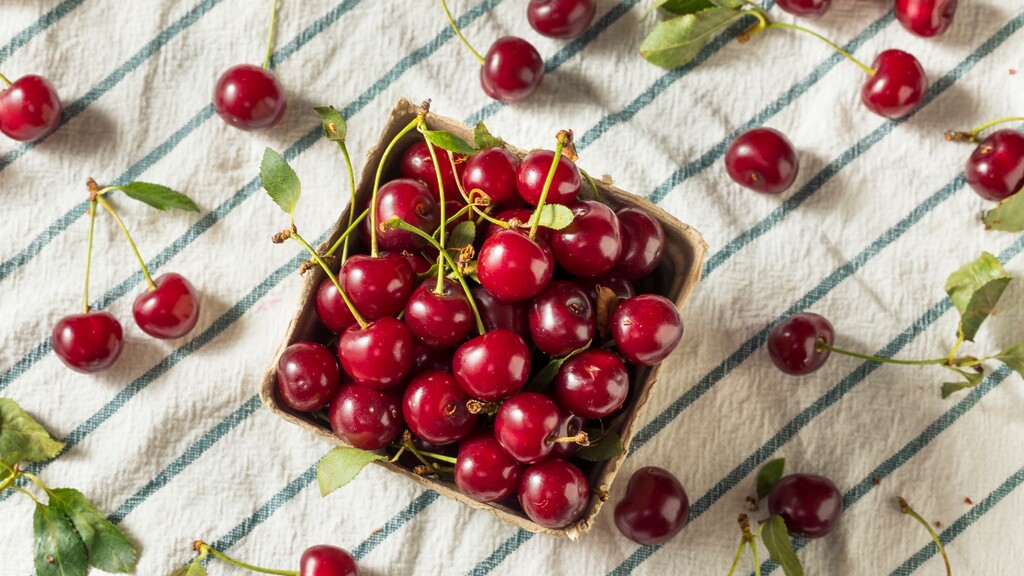
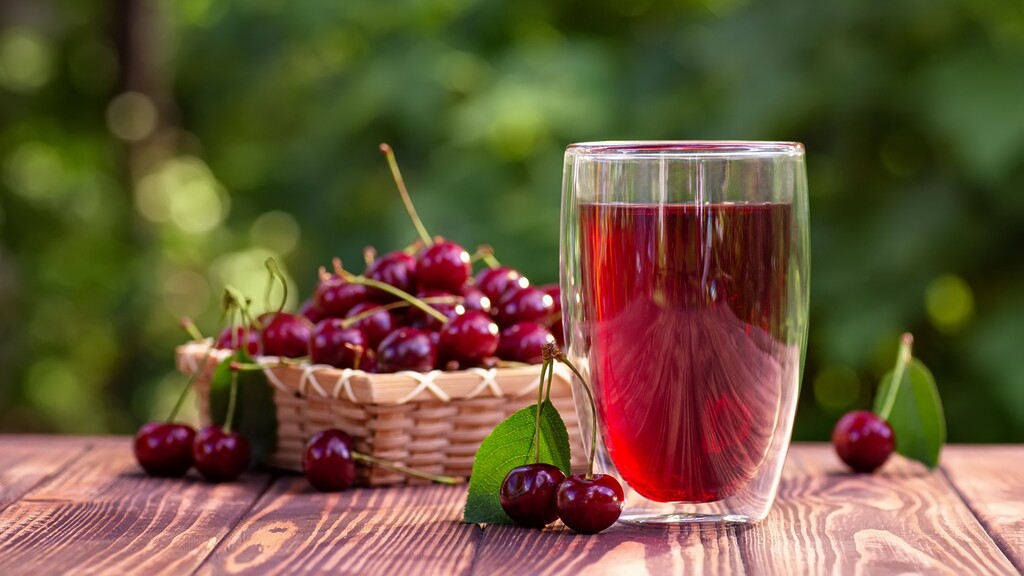
Tart cherries are one of the most concentrated natural sources of this hormone. Research on tart cherry juice links these compounds with modest sleep benefits, though studies usually test measured juice servings rather than the fruit skin itself. Since fresh tart cherries are notoriously hard to find in standard grocery stores, a quarter-cup of dried tart cherries works perfectly. Just check the ingredient label to ensure they are not coated in extra sugar. Alternatively, try drinking four ounces of unsweetened tart cherry juice about an hour before you plan to sleep.
2. Pistachios
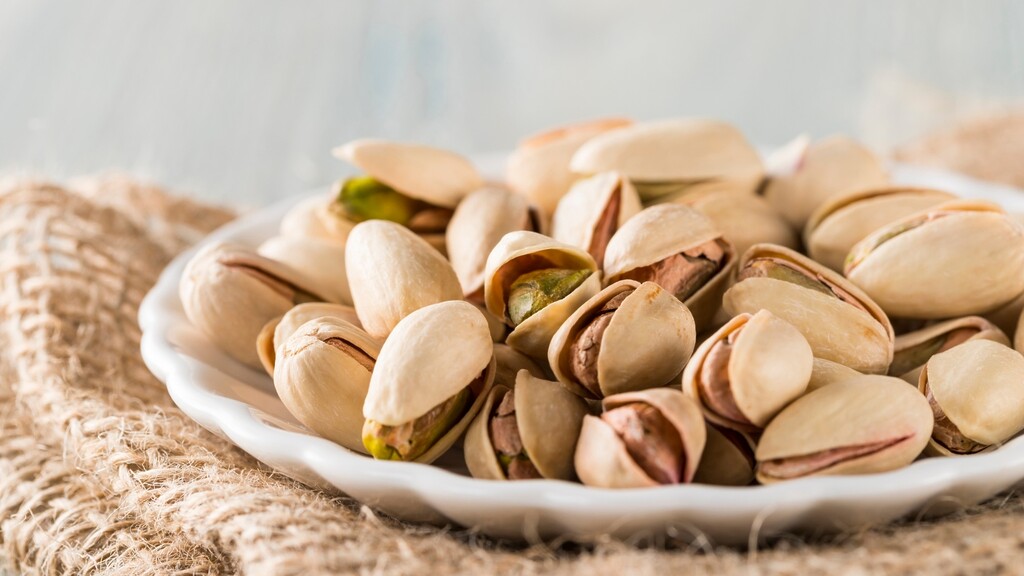
All nuts contain some trace minerals for rest, but pistachios stand out for their density. They pack a high amount of vitamin B6, which your body requires to convert tryptophan into serotonin and eventually into melatonin. A one-ounce handful of shelled pistachios offers a solid nutritional bridge to bedtime.
3. Walnuts
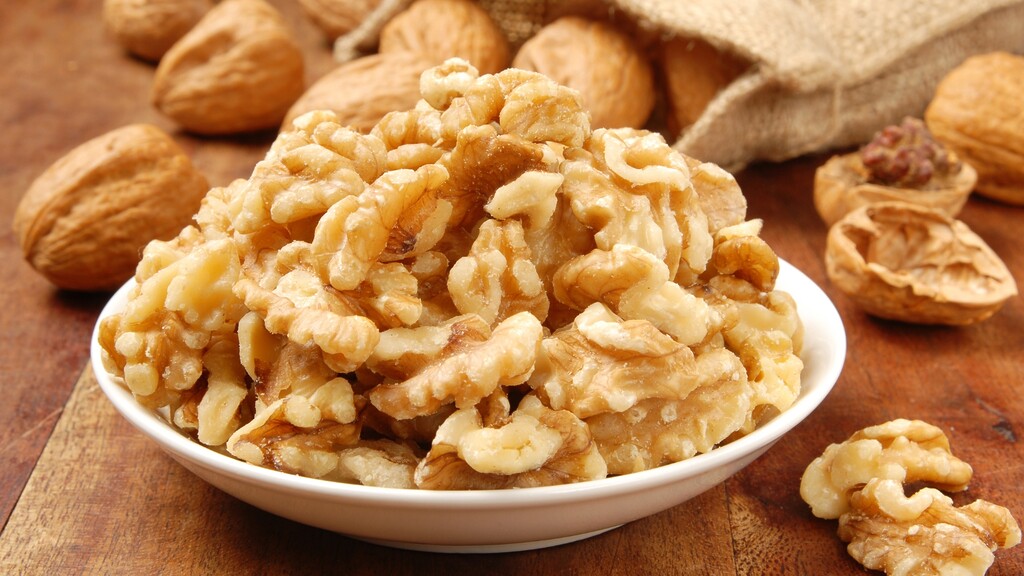
Walnuts provide an excellent plant-based source of omega-3 fatty acids alongside their sleep-promoting compounds. Toasting them in a dry skillet for two minutes brings out their natural oils and makes them easier to digest. Keep your portion to a small quarter cup so the healthy fats do not disrupt your stomach late at night.
4. Rolled or Steel-Cut Oats
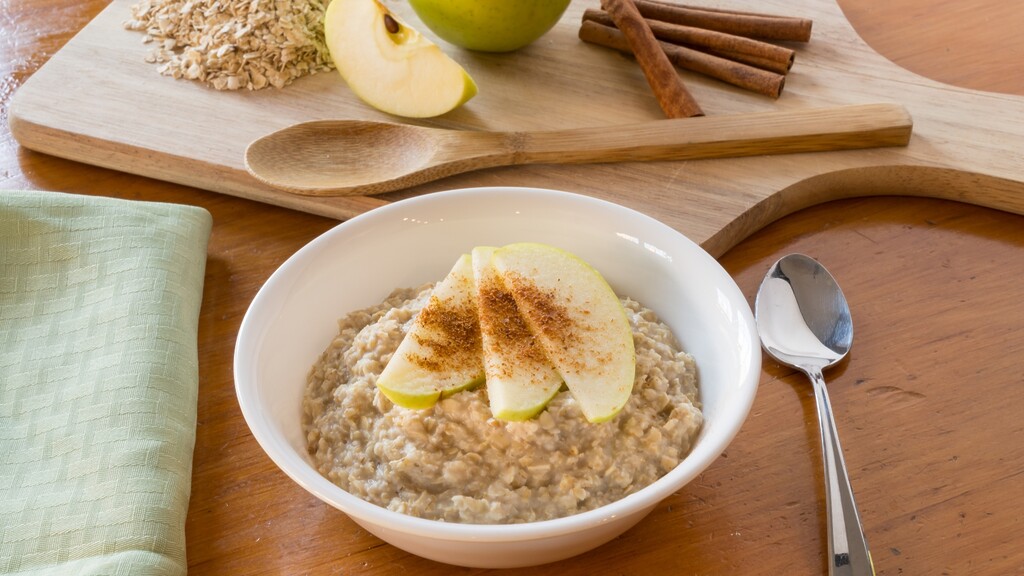
Oats are not strictly for the morning. As someone who manages blood sugar carefully, I stick to steel-cut or thick-rolled oats rather than the instant packets. Keep the late-night portion to a small half-cup cooked. A massive bowl right before lying down can trigger acid reflux, but a modest serving provides slow-digesting complex carbohydrates that are less likely to spike blood sugar sharply late at night.
5. Fatty Fish
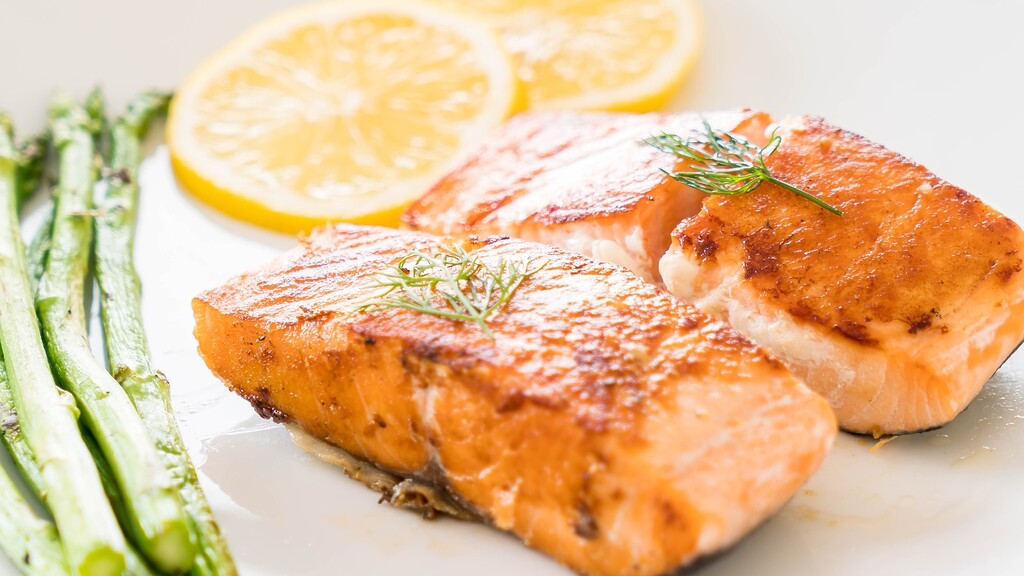
Salmon, sardines, and mackerel are rich in both vitamin B6 and omega-3s. Research suggests that regular consumption of fatty fish may help support sleep patterns over time. Swap out a heavy, slow-digesting red meat dinner for a six-ounce salmon fillet once or twice a week. Make this your actual evening meal a few hours before bed, not a midnight snack.
6. Eggs
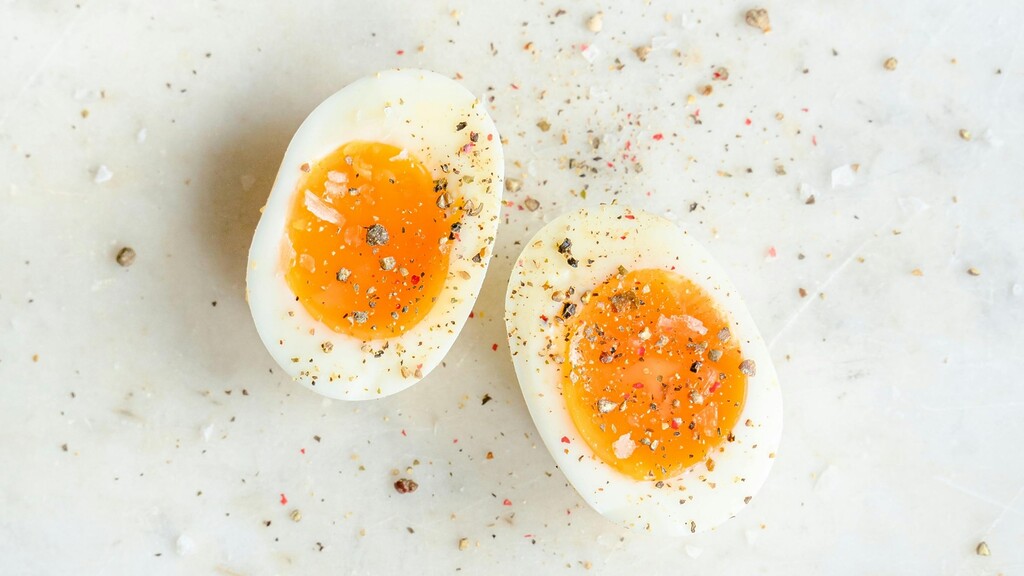
Eggs are one of the best animal-based sources of naturally occurring melatonin. They are also incredibly easy to keep on hand. Eating a single hard-boiled egg is a highly practical way to curb late-night hunger with quality protein that will not weigh you down.
7. Bananas
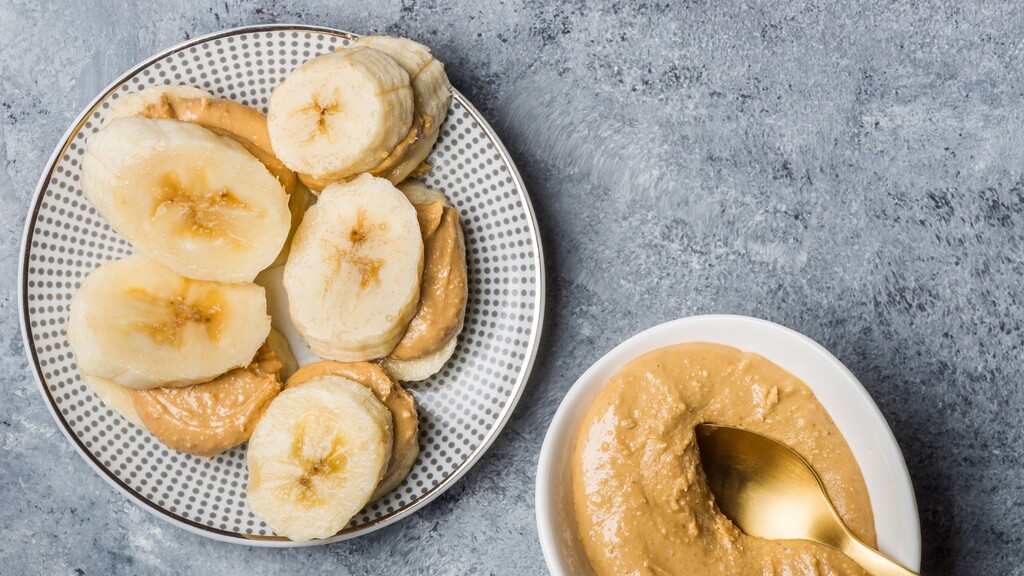
While not a direct source of melatonin, bananas are loaded with magnesium and potassium. These two minerals act as natural muscle relaxants. Pairing half a banana with a spoonful of almond butter stabilizes the natural fruit sugars so you get the relaxing benefits without a sharp energy spike.
8. Almonds
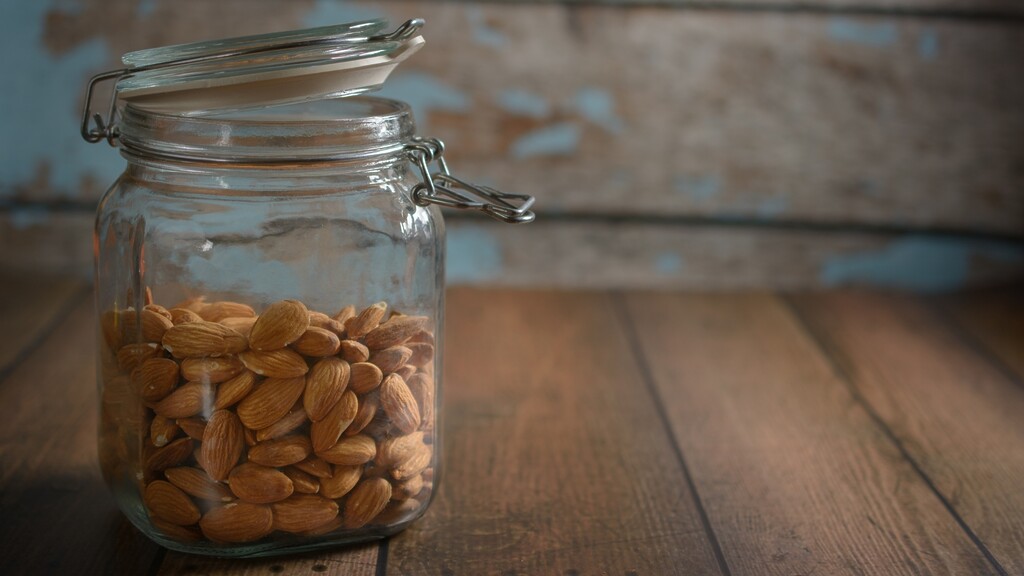
Almonds deliver magnesium, a mineral that has been studied for its relationship with sleep quality. When your evening routine feels less revved up, your natural sleep hormones can take over. Eating roughly ten raw almonds provides just enough crunch and fat to signal fullness to your brain.
9. Kiwi
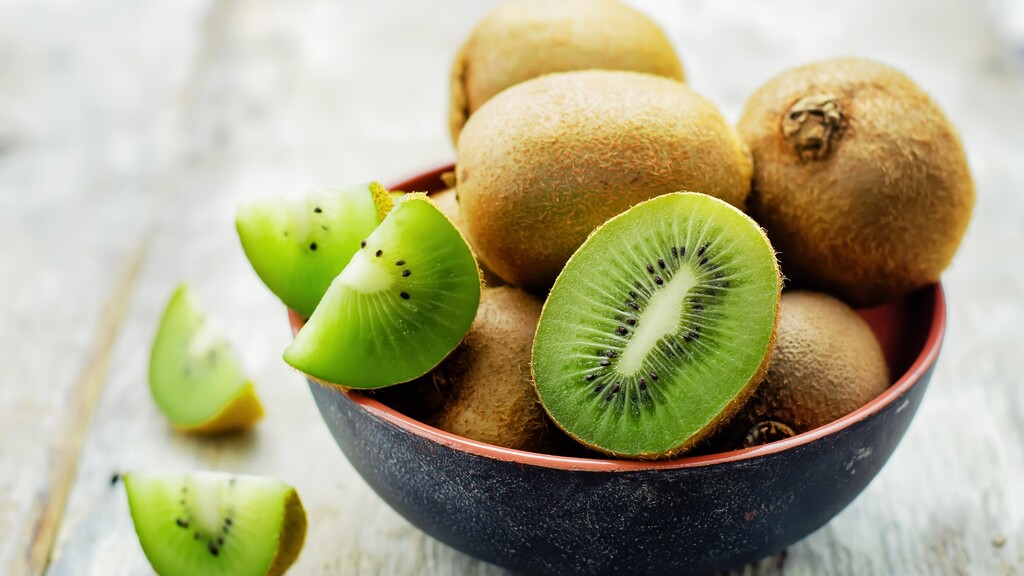
Some interesting nutritional studies indicate that eating kiwi before bed may support faster sleep onset. The fruit contains high concentrations of serotonin, a brain chemical that serves as a direct precursor to melatonin. Cut two fresh kiwis in half and scoop them with a spoon about an hour before you wash your face.
10. Portobello Mushrooms
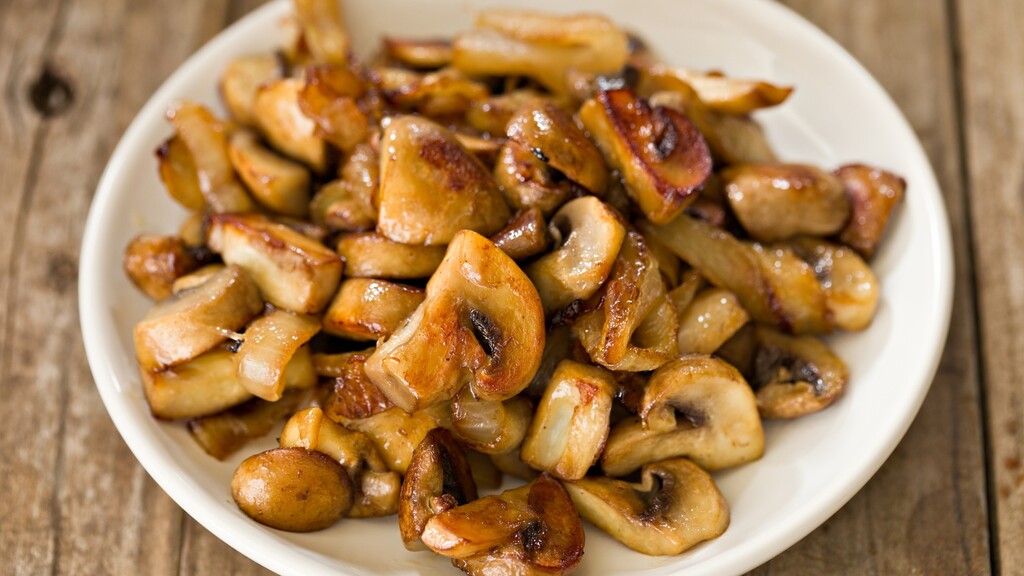
Mushrooms are a rare fungal source of dietary melatonin. Varieties like button and portobello can contain the hormone, while ultraviolet exposure is better known for boosting vitamin D rather than melatonin. Add a half-cup of sautéed mushrooms to your evening vegetable rotation.
11. Pumpkin Seeds
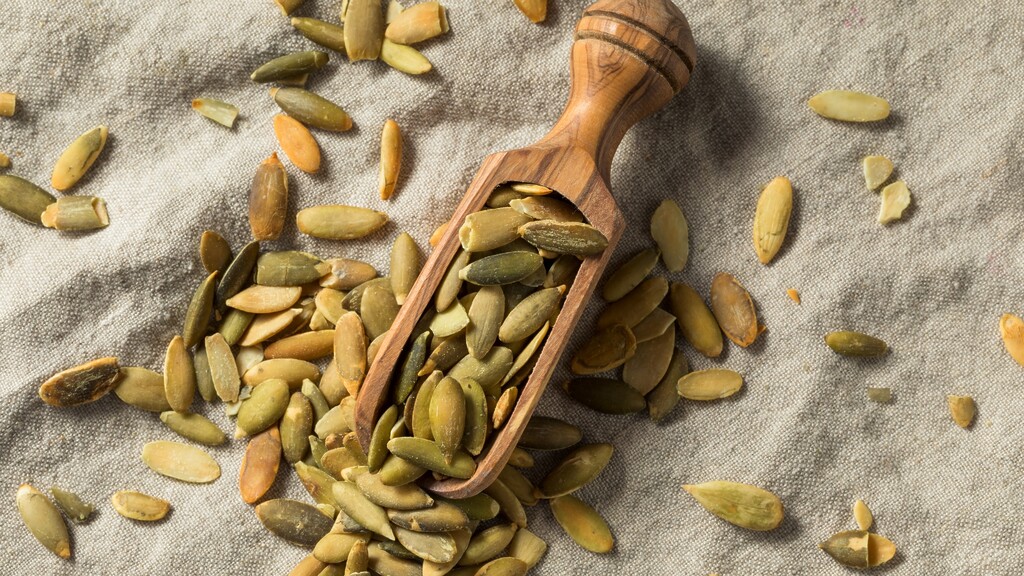
Also known as pepitas, these tiny seeds are a tryptophan powerhouse. Tryptophan is an essential amino acid your body must obtain from food to produce restful neurotransmitters. Grab a small handful of roasted pumpkin seeds if you find yourself grazing the pantry after dinner.
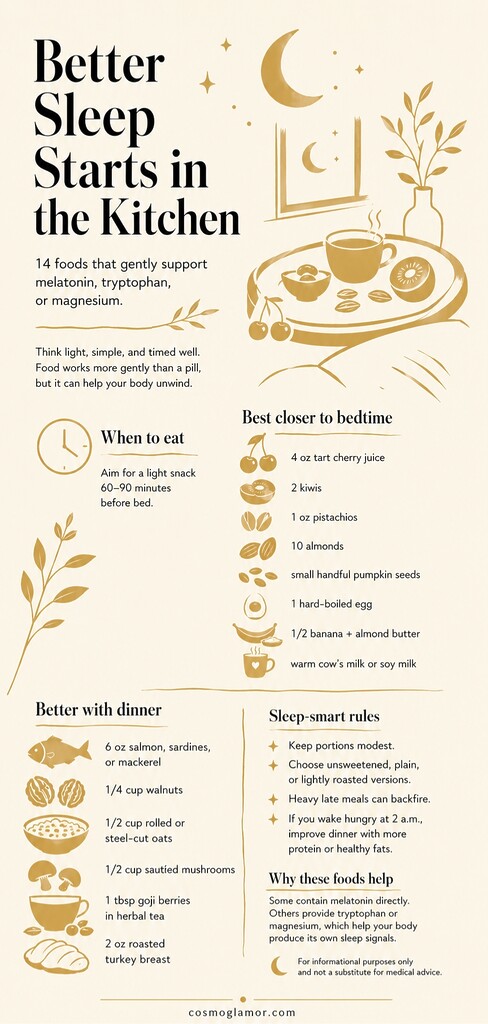
12. Warm Milk
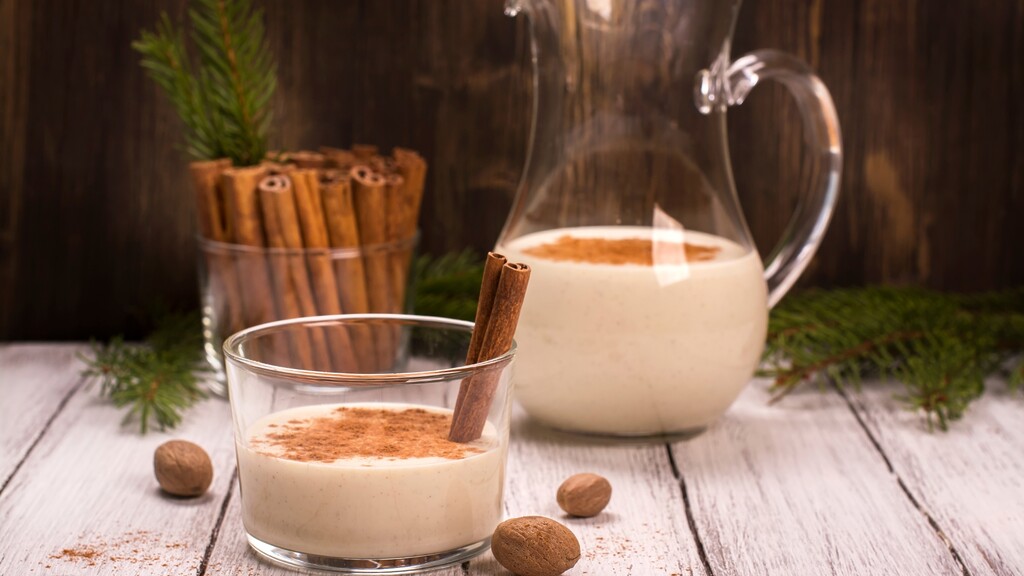
The old advice holds up to modern science. This applies specifically to cow's milk or soy milk, both of which contain the necessary tryptophan, rather than almond or oat milk. Dairy contains both tryptophan and melatonin. More importantly, a warm mug can support the same calming bedtime rhythm. The strongest temperature research comes from warm baths and showers, which can encourage heat loss and the natural temperature drop that happens right before you fall asleep.
13. Goji Berries
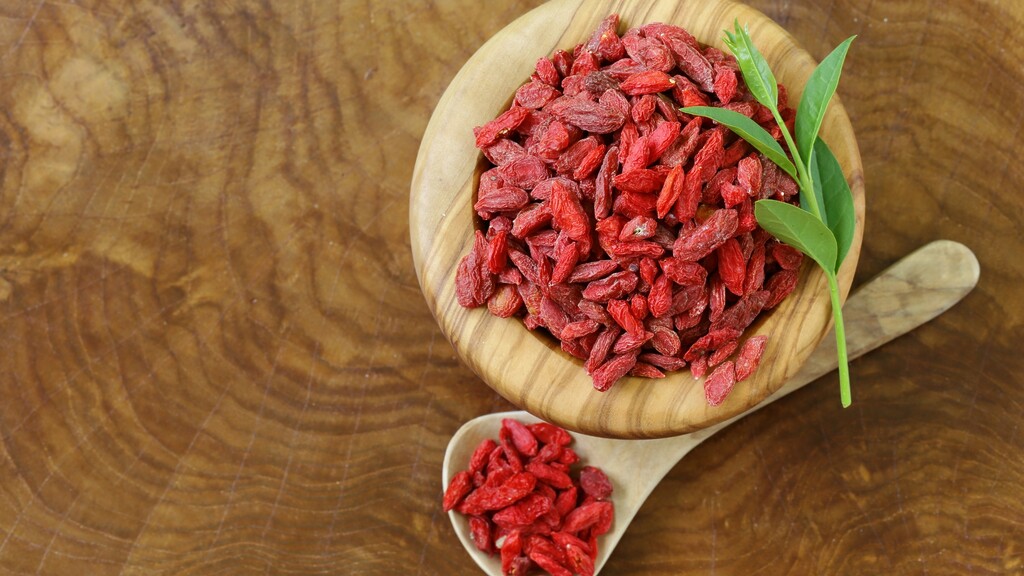
These tart red berries have been used in traditional Eastern wellness practices for generations, and modern analysis shows they carry a very high concentration of melatonin. Because they are chewy and slightly bitter, try tossing a tablespoon into a cup of hot herbal tea to soften them.
14. Turkey Breast

Turkey is famous for inducing post-meal naps. The tryptophan in poultry really does facilitate serotonin production. However, processed deli meats are often high in sodium, which can increase your blood pressure and make them a less relaxing bedtime choice. Stick to a two-ounce slice of plain roasted turkey breast.
When we rely entirely on bottled supplements, we bypass the body's natural metabolic rhythms. Food gently prompts the system rather than overriding it.
Frequently Asked Questions
How long before bed should I eat these foods?
Timing matters just as much as the food itself. Your body needs time to digest the nutrients and convert the amino acids into active hormones. Plan to eat your chosen snack about 60 to 90 minutes before your head hits the pillow.
Do natural foods work as fast as a melatonin pill?
No, and that is actually the point. A pill dumps a large, concentrated dose of the hormone into your bloodstream all at once. Food offers a slower, gentler release. You will not feel a heavy wave of exhaustion, but rather a quiet, natural unwinding of your nervous system.
What if I wake up hungry in the middle of the night?
If you routinely wake up at 2:00 AM feeling hungry, your dinner likely lacked sufficient protein or healthy fats. Rather than keeping snacks on your nightstand, look at your evening meal. Adding an extra serving of olive oil, walnuts, or fatty fish to your dinner plate usually prevents the midnight wake-up entirely.
Always consult your physician before making significant dietary changes, especially if you take medication for sleep or metabolic conditions.
Building a reliable sleep cycle is rarely about finding a single magic ingredient. It is about consistently giving your body the right environment and the right raw materials, allowing rest to become an instinct again rather than a nightly struggle.
Sources
- Tart Cherry Juice and Sleep Quality – European Journal of Nutrition, 2012.
- Glycaemic and Insulinaemic Impact of Oats – British Journal of Nutrition, 2019.
- Oily Fish Intake and Sleep Patterns in Children – European Journal of Nutrition, 2021.
- Dietary Sources and Bioactivities of Melatonin – Nutrients, 2017.
- Dietary Magnesium Intake and Sleep Quality – Nature and Science of Sleep, 2025.
- Kiwifruit Consumption and Sleep Recovery – Nutrients, 2023.
- Mushrooms as a Dietary Source of Vitamin D – Nutrients, 2018.
- Passive Body Heating Before Bedtime – Sleep Medicine Reviews, 2019.
- About Sodium and Health – CDC, 2026.