

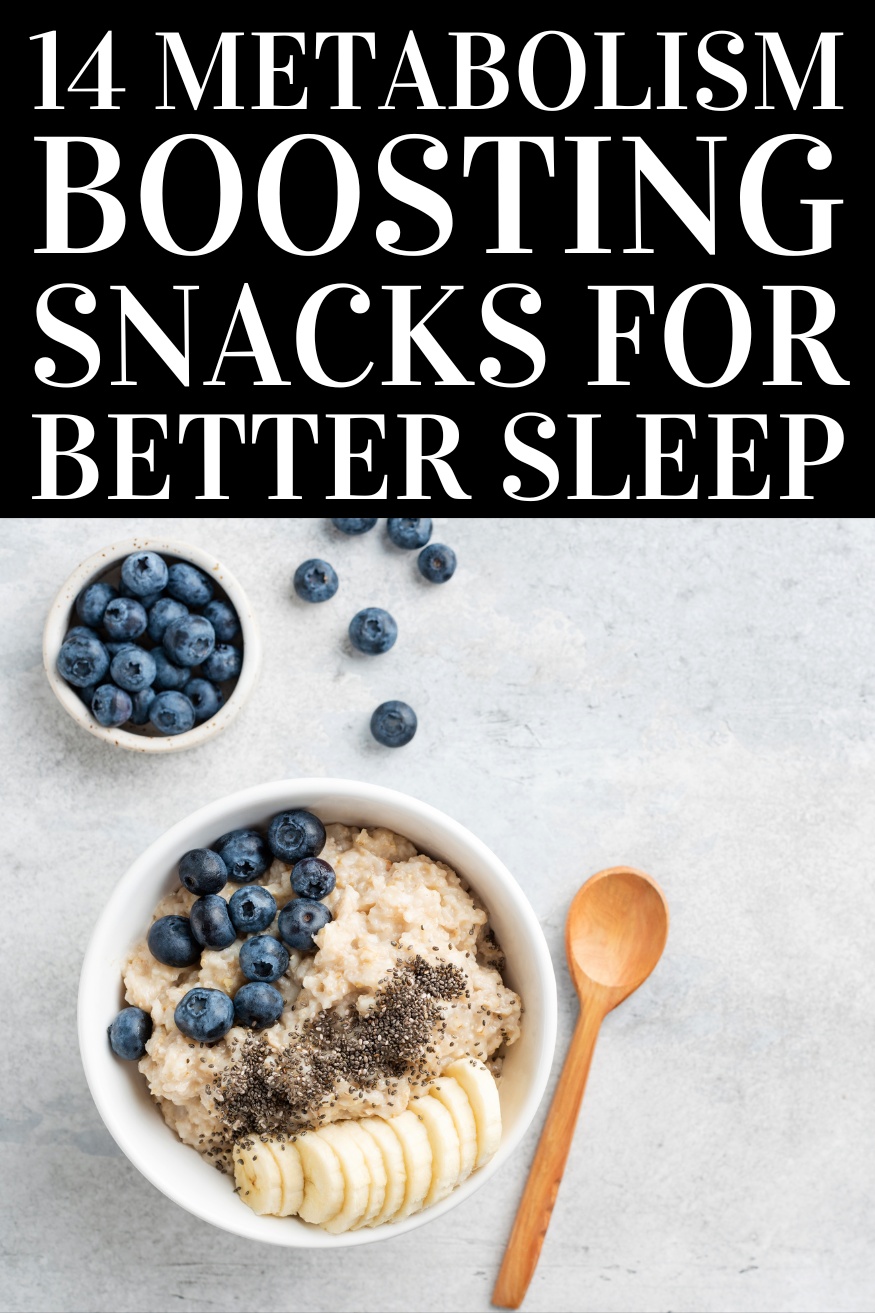
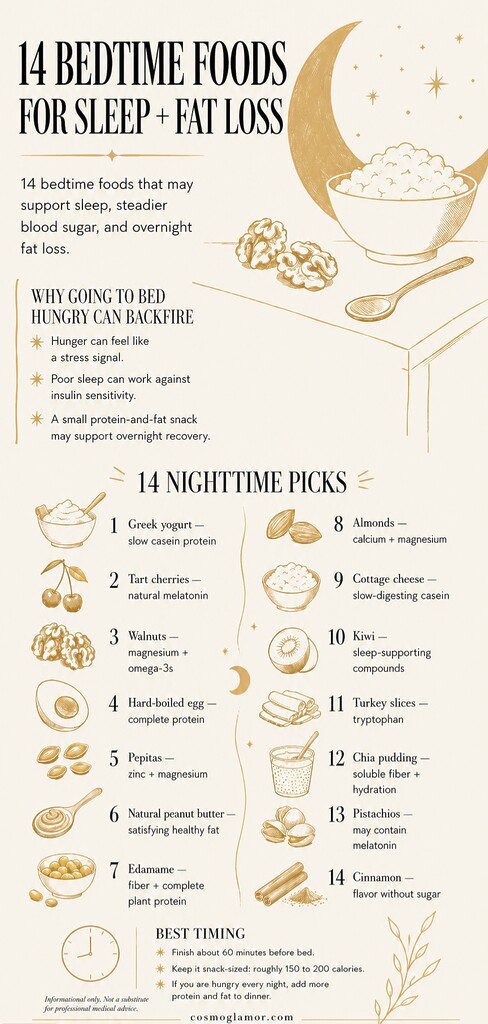
We grew up hearing that the kitchen must close at eight o'clock sharp. The old logic assumed that anything eaten after dark automatically turned to stored fat. But trying to sleep through a growling stomach can feel like a stress signal, derailing the calm, steady state you want to protect. There are specific foods that support fat loss while you sleep by keeping your blood sugar steadier and your recovery systems fueled.
Jump to the 14 nighttime foods
The Hidden Cost of Going to Bed Hungry
When I was working to bring my A1C down from 7.8% and lose fifty pounds, the hardest habit to break was the evening starvation routine. I genuinely believed that ignoring my evening hunger meant I was winning. I was wrong.
Your body does important repair work in the dark. Muscle repair, cellular cleanup, and hormone regulation all benefit from good sleep. If poor sleep follows an under-fueled, stressful night, it can work against insulin sensitivity the next morning. Cortisol is one of your stress hormones, and you do not want it running the show while you are trying to rest.
A growling stomach can feel like a stress signal, and a stressed body has a harder time settling into real rest.
The goal is not to eat a massive meal before your head hits the pillow. The strategy is to choose small, nutrient-dense targets that provide a slow drip of amino acids and healthy fats. These nighttime-friendly foods can quiet your nervous system, allowing you to reach the deep sleep phases where recovery and normal overnight fat metabolism actually happen.
14 Nighttime Fat-Loss-Friendly Foods
You might worry that eating right before bed will leave you waking up heavy or bloated. That is more likely when you choose heavy carbohydrates, or when you make the common mistake of drizzling honey or maple syrup over your late-night snack. Even natural liquid sugars can raise blood sugar and insulin, which works against the goal of a steadier bedtime snack. The items below lean heavily on protein, healthy fats, and trace minerals.
1. Plain Whole-Milk Greek Yogurt
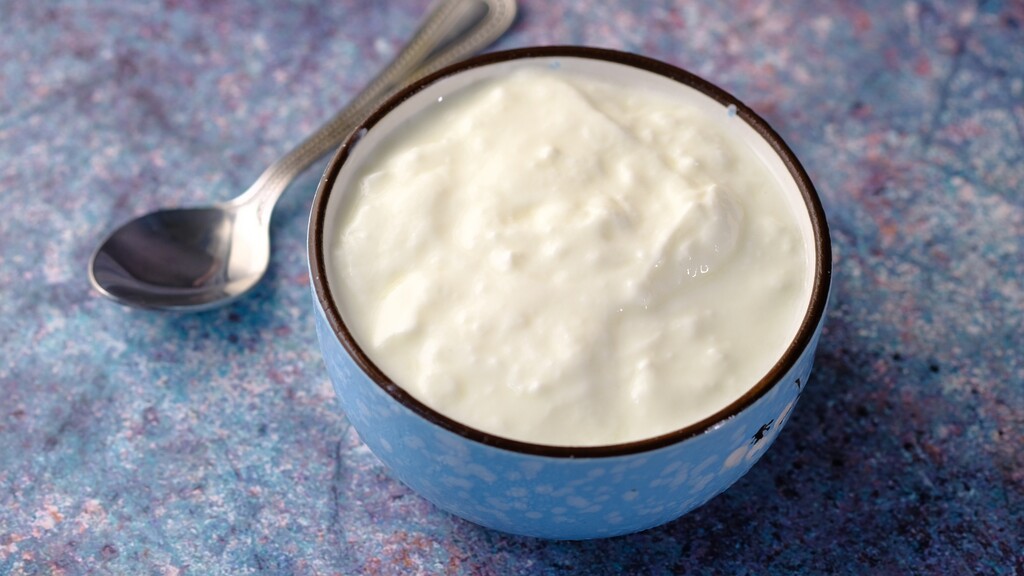
Your muscles need a steady supply of nutrients overnight to rebuild stronger. Greek yogurt is packed with casein protein, which digests very slowly and feeds your system for hours. Skip the non-fat versions loaded with added sugar. A half-cup of the full-fat variety provides the exact satiety you need to sleep soundly without feeling stuffed.
2. Tart Cherries
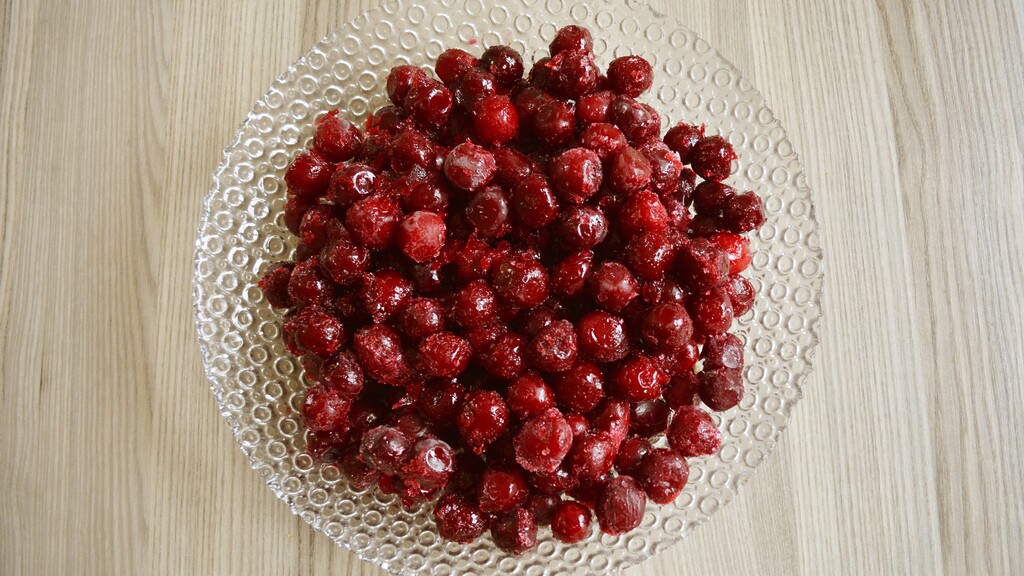
These are one of the few natural food sources of melatonin, the hormone that dictates your sleep-wake cycle. Better sleep may support insulin sensitivity the next morning. You can eat a half-cup of frozen tart cherries or try a small four-ounce pour of unsweetened tart cherry juice, keeping in mind that even no-sugar-added juice still counts as a carb-containing food. Just verify the label has absolutely zero added sugar, since tart cherry juice has been linked with better sleep duration and efficiency.
3. Walnuts
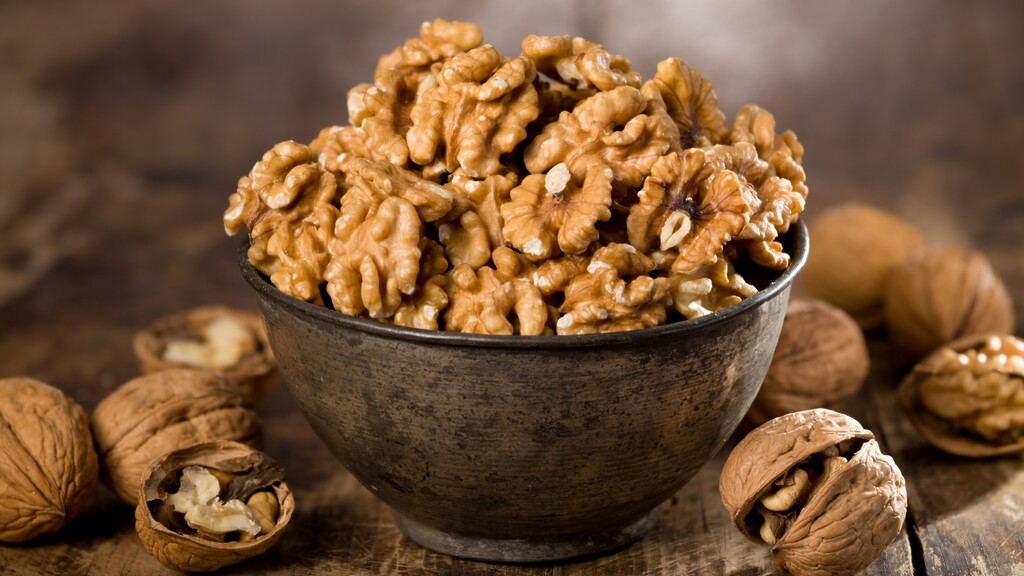
A racing mind can make it harder to settle into sleep. Walnuts contain magnesium to calm the nervous system and omega-3 fatty acids that support metabolic health. A portion of twelve walnut halves is enough to trigger fullness without weighing down your digestion.
4. Hard-Boiled Eggs
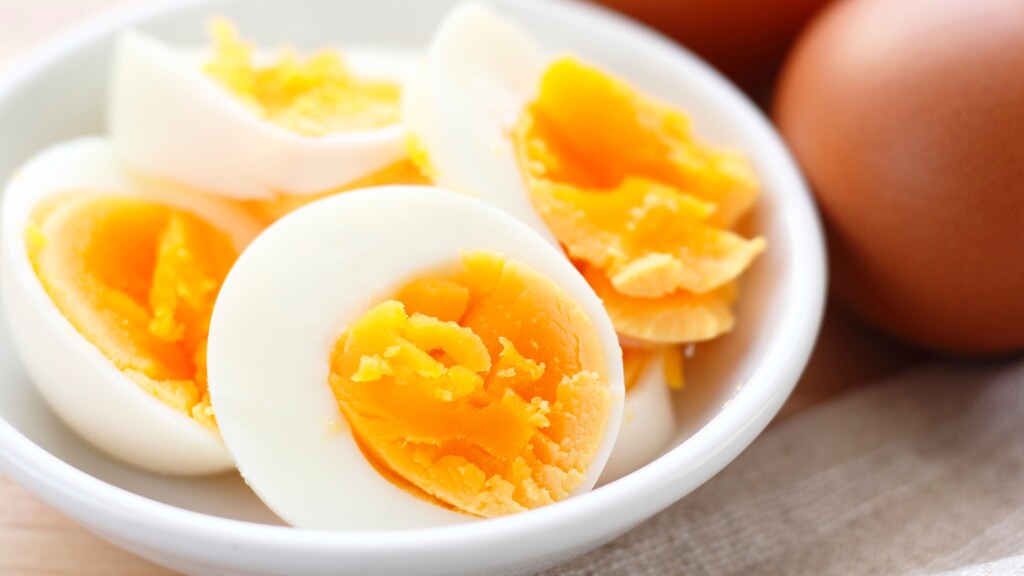
This is the ultimate convenience protein. Eggs provide a complete amino acid profile along with choline, a nutrient that supports liver function and fat metabolism. Keep a batch peeled in the fridge. One egg with a sprinkle of sea salt and black pepper takes ten seconds to prep and keeps the snack very low in carbs.
5. Pumpkin Seeds (Pepitas)
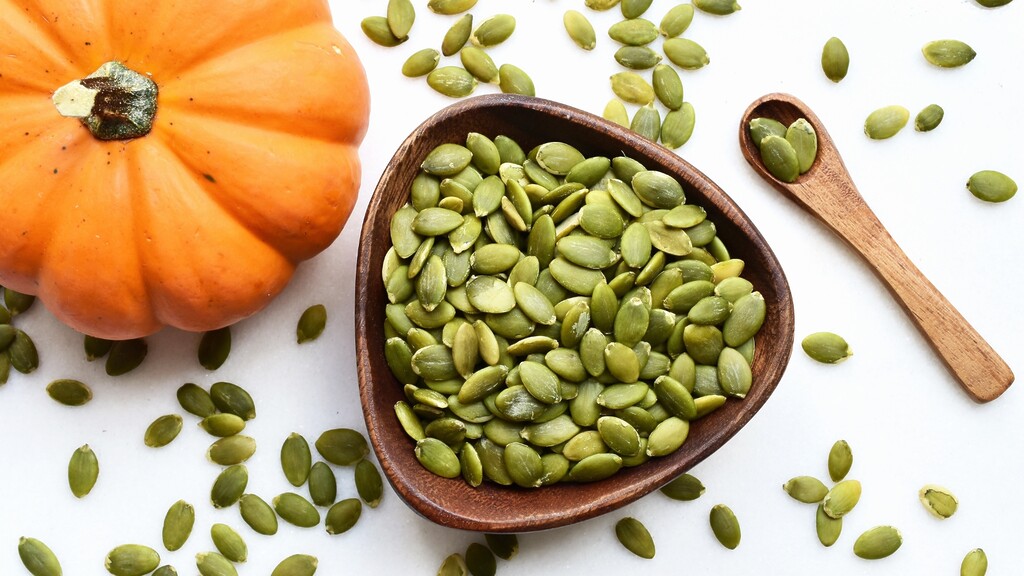
These small green seeds are a solid source of zinc and magnesium. Zinc plays a role in testosterone and thyroid hormone pathways, both of which influence metabolism. Buy dry-roasted pepitas rather than the whole white shells to make them easier to digest late at night, and cap your portion at a quarter-cup.
6. Natural Peanut Butter
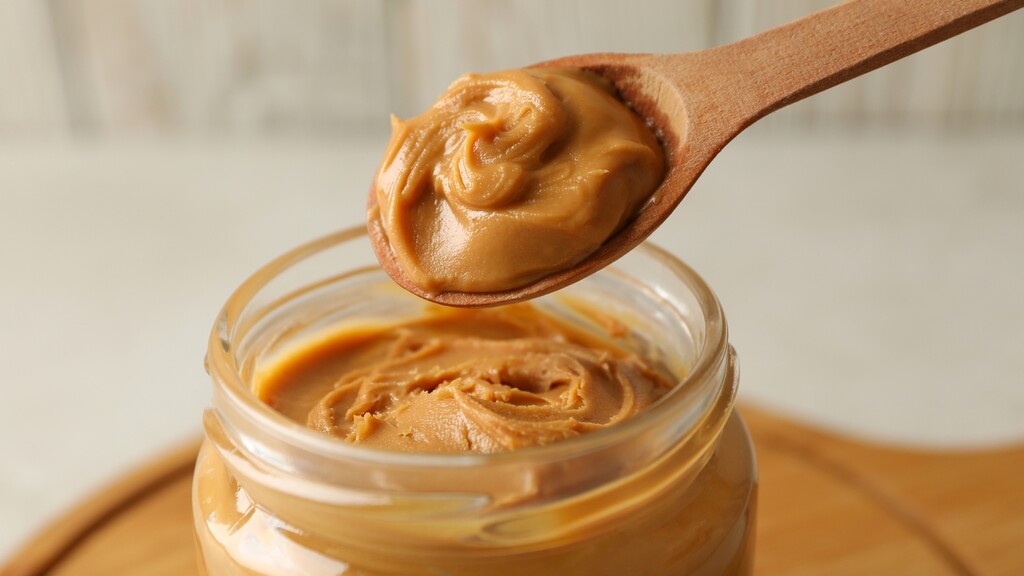
A single spoonful of peanut butter can help quiet a sugar craving. A higher-fat snack can help slow stomach emptying, meaning you stay physically full until morning. Check your jar right now to ensure the only ingredients are peanuts and salt. If you see palm oil or sugar, it belongs in the trash.
7. Edamame
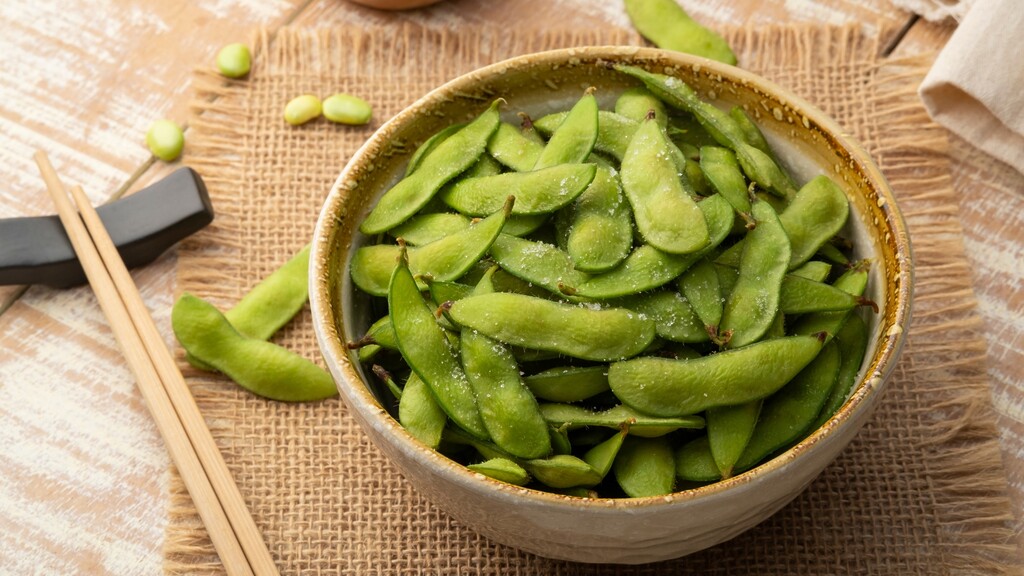
When you want something salty to snack on while watching a show, skip the popcorn. Edamame offers a rare combination of high fiber and complete plant protein. Toss a half-cup of steamed pods in coarse salt for an evening snack that supports steadier glucose levels.
8. Almonds
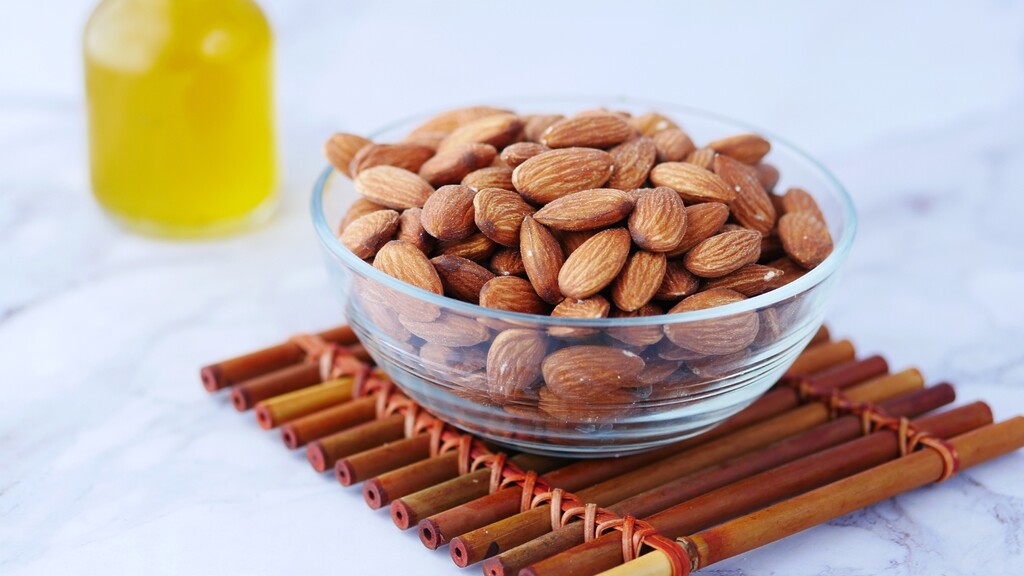
Your muscles need to physically relax before your body can enter deep restorative sleep. Almonds deliver calcium and magnesium, minerals involved in normal muscle function. Keep your serving to about fifteen nuts to keep the calorie load appropriate for midnight.
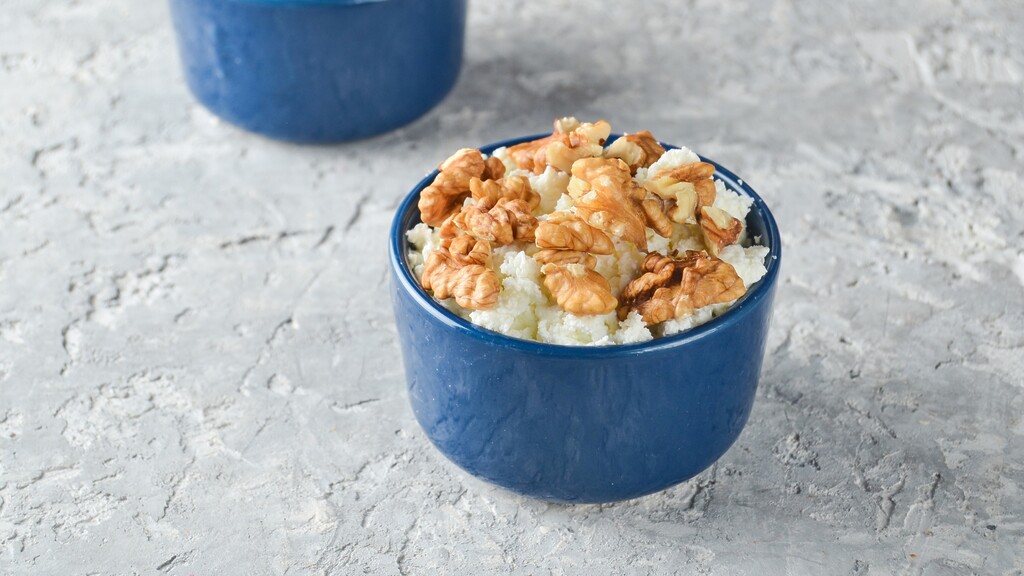
9. Cottage Cheese
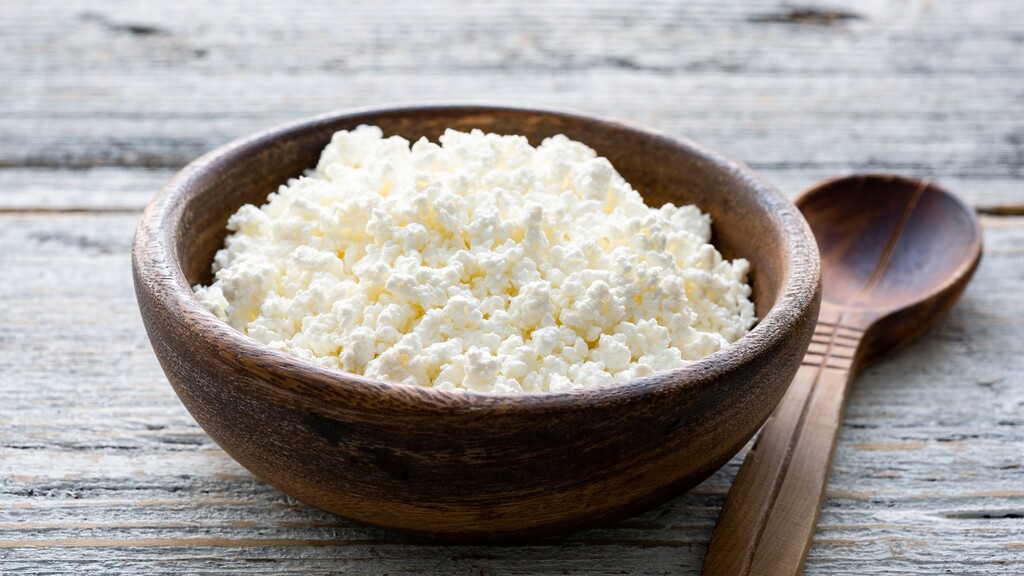
This is the classic bodybuilder secret that deserves a spot in your kitchen. Like Greek yogurt, cottage cheese is loaded with slow-digesting casein. Measure out a half-cup. If you dislike the chunky texture, run it through a blender for five seconds. It becomes a smooth, rich base you can top with cinnamon or a few berries.
10. Kiwi
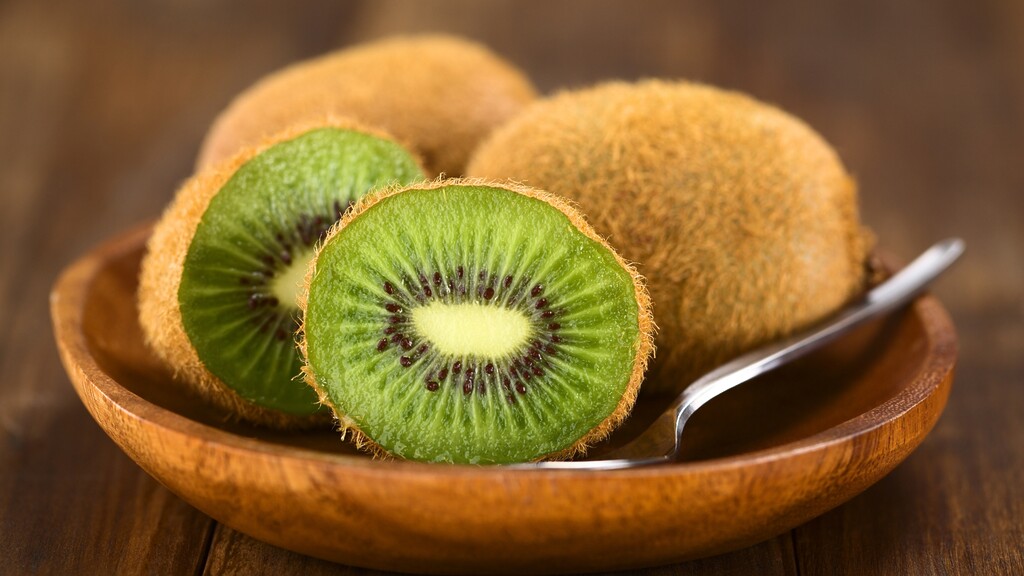
If you absolutely need something sweet, this is your target. Clinical studies have used two kiwis an hour before bed and found improvements in sleep quality and duration. Kiwis contain sleep-related compounds, including serotonin, that may help support your bedtime rhythm.
11. Turkey Breast Slices
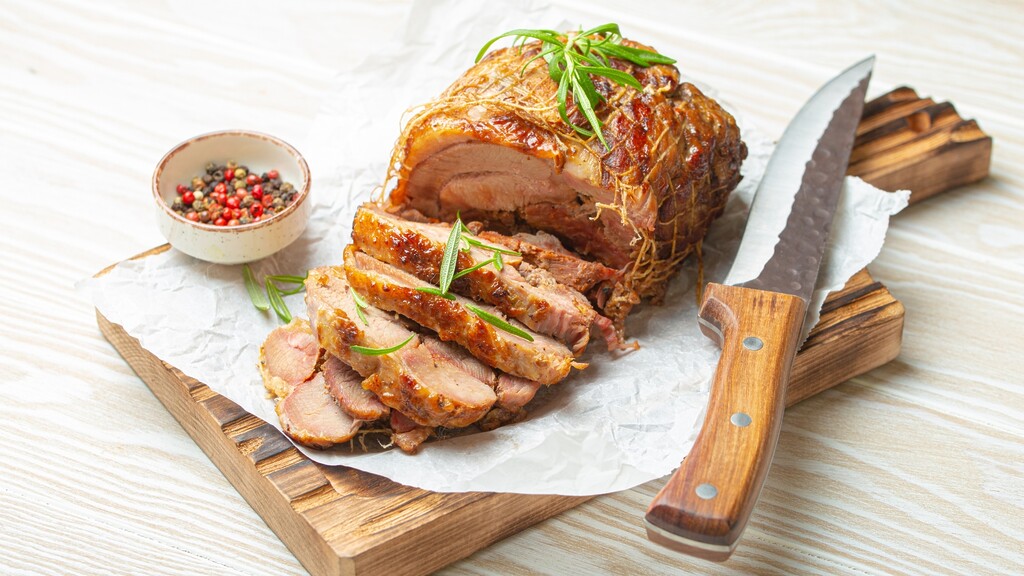
Turkey gets blamed for holiday sleepiness, but don't blame tryptophan for the whole crash. Still, turkey provides tryptophan, an amino acid your body uses to help make melatonin. Two or three slices of high-quality deli turkey wrapped around a pickle spear is a nearly zero-carb snack.
12. Chia Seed Pudding
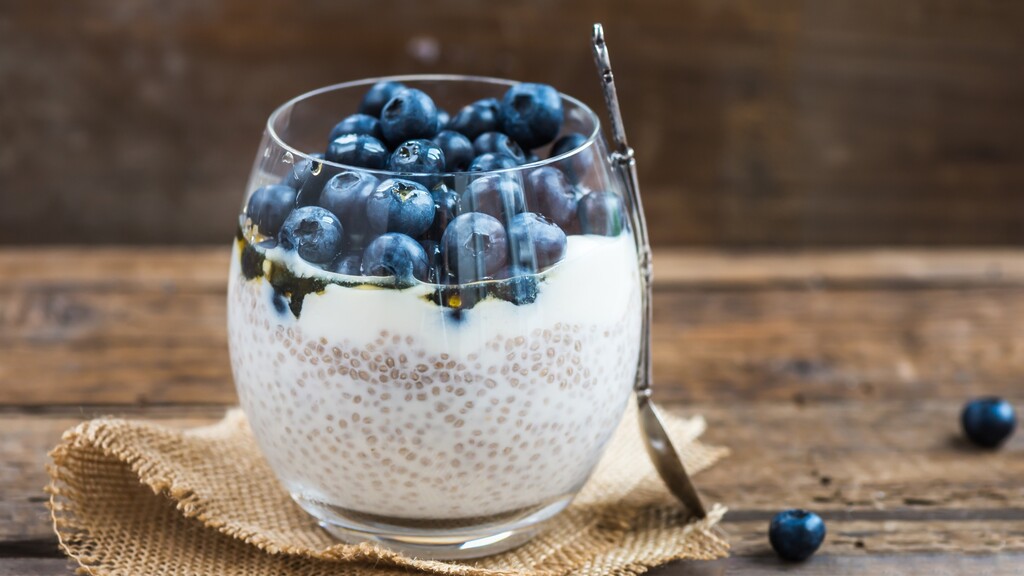
Poor hydration can make your body feel lousy overnight. Chia seeds soak up liquid and form a thick gel. Mix two tablespoons of chia seeds into a half-cup of unsweetened almond milk. Let it sit for twenty minutes. This creates a gel-like texture while providing soluble fiber that feeds your gut bacteria while you rest.
13. Pistachios
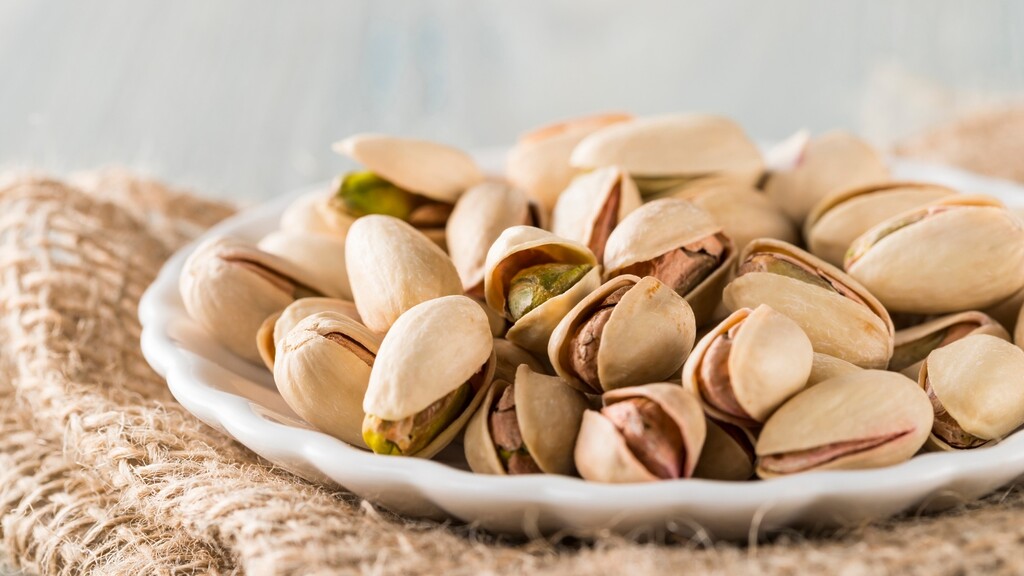
These are interesting among nuts because they can contain measurable plant-based melatonin, though the amount varies widely. Shelling them slows down your eating pace, giving your brain time to register that you are no longer hungry. A portion of about thirty in-shell pistachios provides a solid mix of protein and healthy fats.
14. Cinnamon
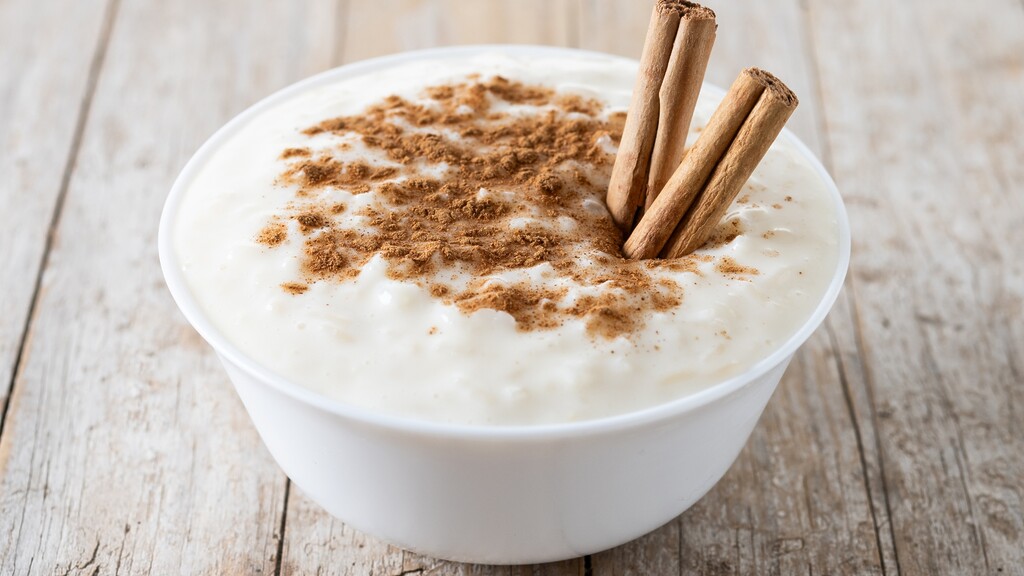
While you won't eat a spoonful of cinnamon on its own, it earns a spot here as an essential addition to your bedtime snacks for weight loss. Cinnamon may support fasting blood sugar modestly over time in some people, but it does not work like an instant switch. Sprinkle a heavy dash over your yogurt or cottage cheese to add flavor without adding sugar.
How to Time Your Nighttime Eating
Even the healthiest food requires digestive energy, and you want your body focused on repair, not heavy digestion, during the night.
Aim for a 60-minute buffer. Finish your snack about an hour before you plan to turn out the lights. This gives your stomach a head start on breaking down the food before you lie flat, which can reduce reflux risk and gives your insulin response time to settle.
Keep the portion strictly snack-sized. You are aiming for roughly 150 to 200 calories. The goal is simply to bridge the gap between dinner and breakfast, muting the hunger signal in your brain without overloading your system.
If you notice you are ravenously hungry every single night at ten o'clock, take a hard look at your dinner. Adding slightly more protein and fat to your evening meal might naturally eliminate the need for a midnight trip to the fridge entirely.
Sources
- Sleep Manipulation and Insulin Sensitivity – Sleep Medicine Reviews, 2022.
- Pre-Sleep Protein and Muscle Adaptation – Nutrients, 2016.
- Tart Cherries and Sleep – Current Sleep Medicine Reports, 2023.
- Meal Composition and Gastric Emptying – International Journal of Legal Medicine, 2026.
- Kiwifruit Consumption and Sleep Recovery – Nutrients, 2023.
- Tryptophan and Thanksgiving Tiredness – UNC Charlotte, 2024.
- Melatonin in Almonds and Pistachios – Journal of Food Composition and Analysis, 2019.
- Cinnamon and Metabolic Disease Markers – Frontiers in Nutrition, 2025.
- Carb Counting for Diabetes – CDC, 2024.