

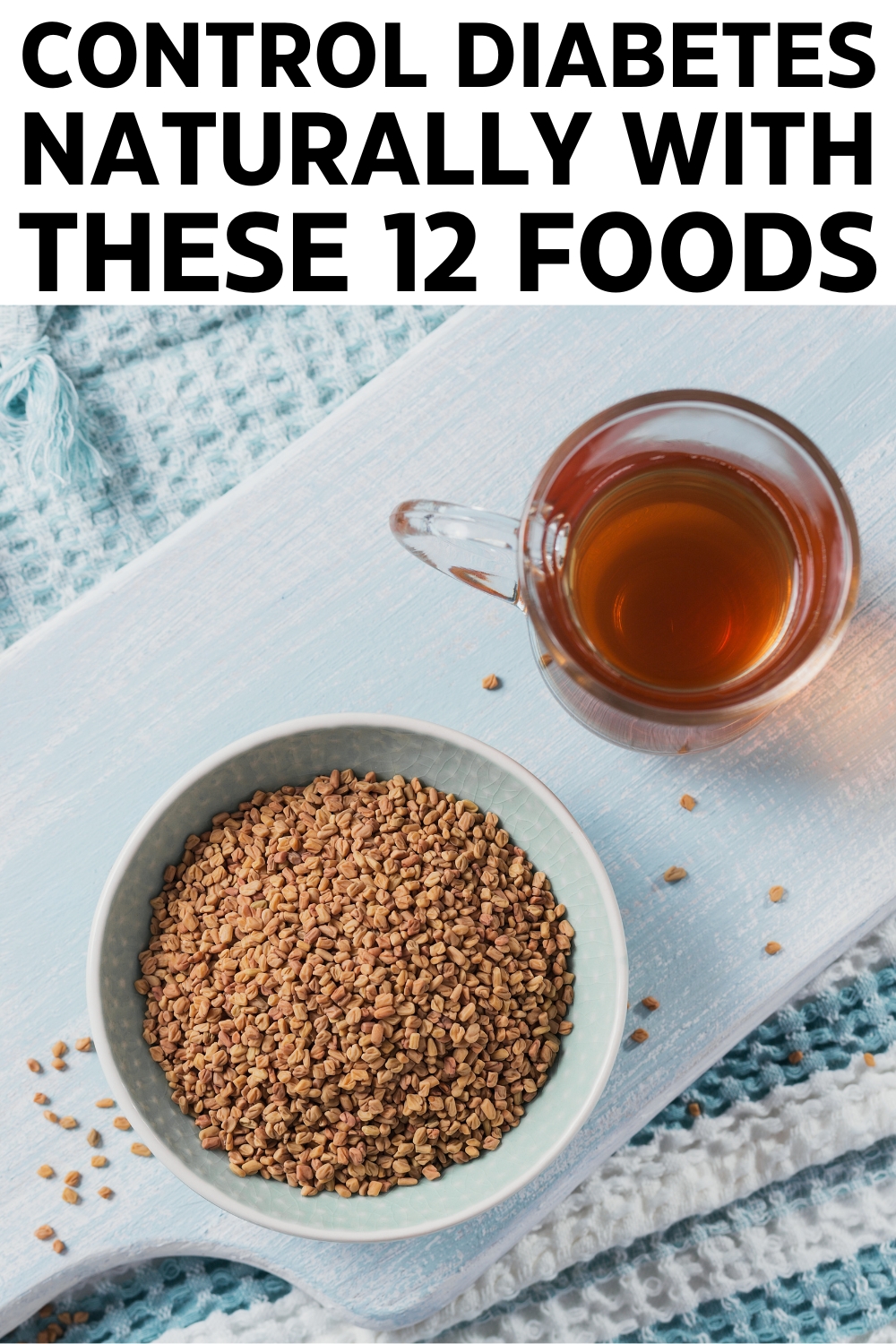


When my doctor handed me a Type 2 diabetes diagnosis and an A1C of 7.8%, my first thought was that my days of eating actual meals were over. I quickly learned that the foods that lower blood sugar are not hidden in expensive supplement aisles, but sitting right in the regular grocery store. Here are the exact staples that helped me drop my A1C to 6.1% and lose 50 pounds without spending my life feeling hungry.
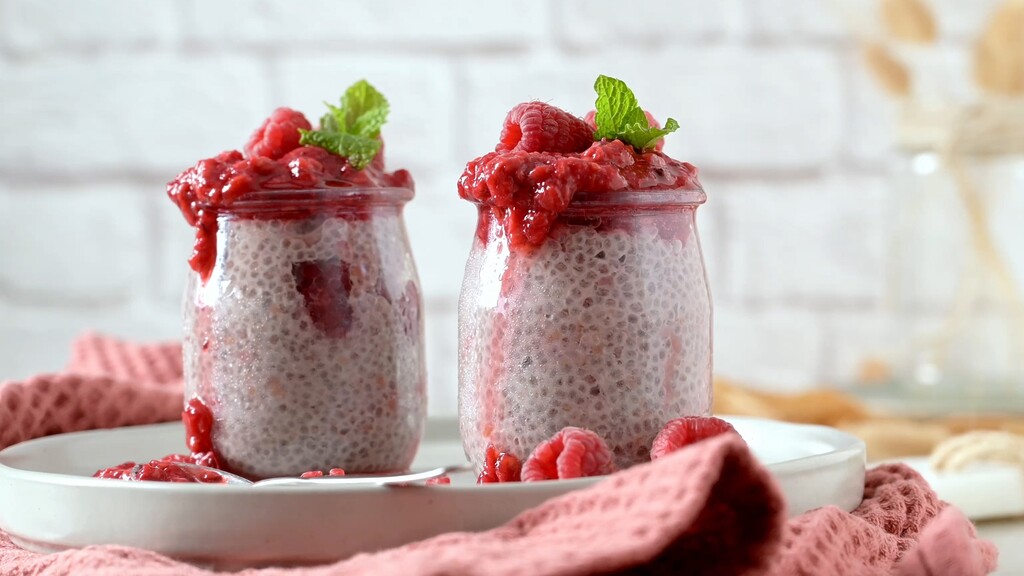
12 Foods That Lower Blood Sugar
A lot of us panic at the word carbs after a diagnosis. The trick is not eating zero carbohydrates forever, but choosing foods that change how your body processes them. These twelve foods are heavily researched for their ability to keep your glucose levels steady.
1. Chia Seeds
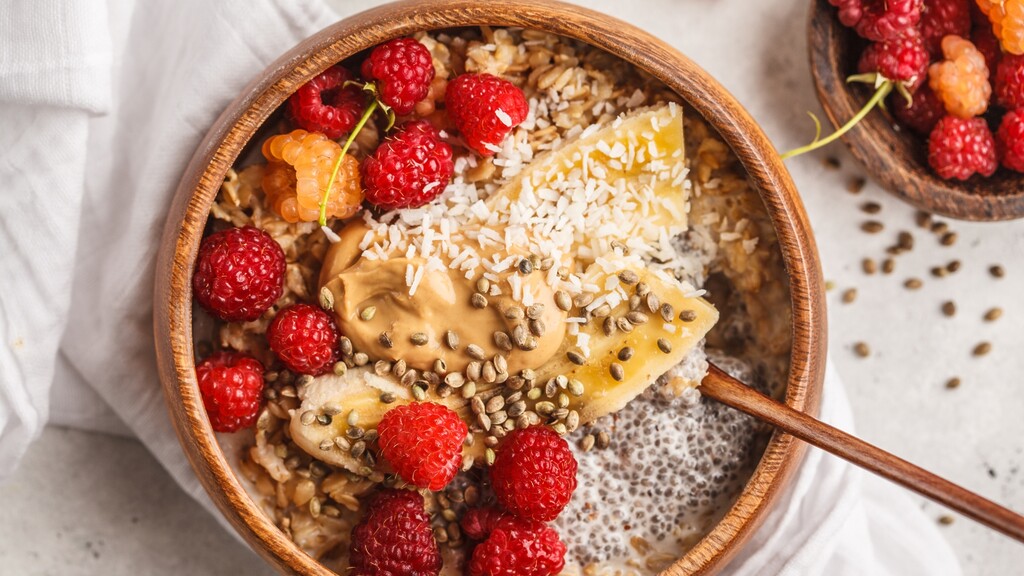
I keep a massive bag of these in my pantry at all times. You can throw a tablespoon into a smoothie, stir them into yogurt, or make a quick pudding. To do that, mix one tablespoon of chia seeds with three tablespoons of unsweetened almond milk and let it sit in the fridge for at least twenty minutes. These tiny seeds absorb liquid and form a thick gel in your stomach, which physically slows down how fast your body absorbs sugar from the rest of your meal. That built-in speed bump can help blunt the blood sugar rise after you eat.
2. Avocados
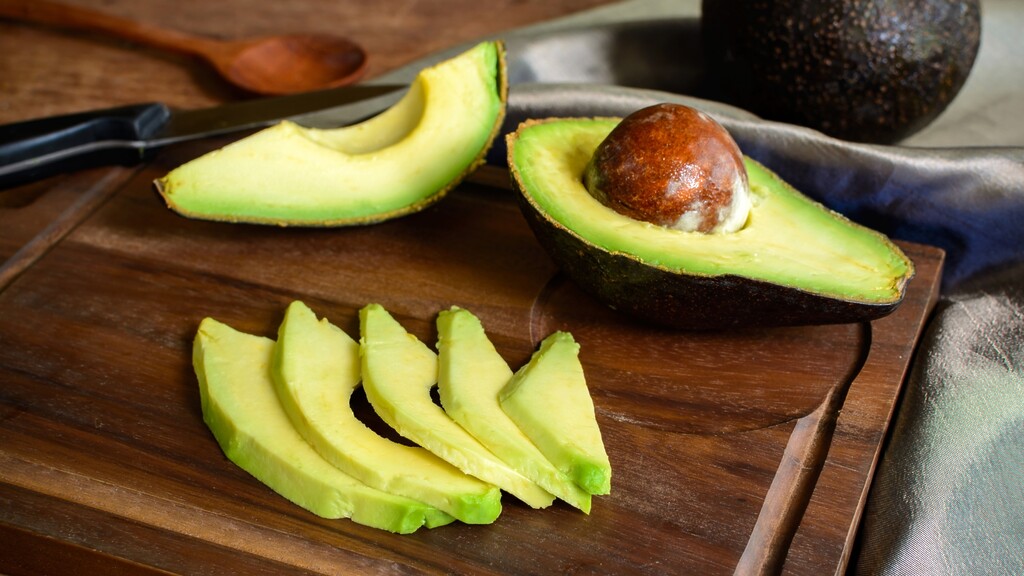
We often think of avocados just for heart health, but they are incredibly useful for blood sugar management. The monounsaturated fats in avocados take a long time to digest. When you pair a third to half of an avocado with a piece of whole-grain toast, that fat acts as a buffer and prevents the carbohydrates in the bread from rushing into your bloodstream all at once.
3. Steel-Cut Oats
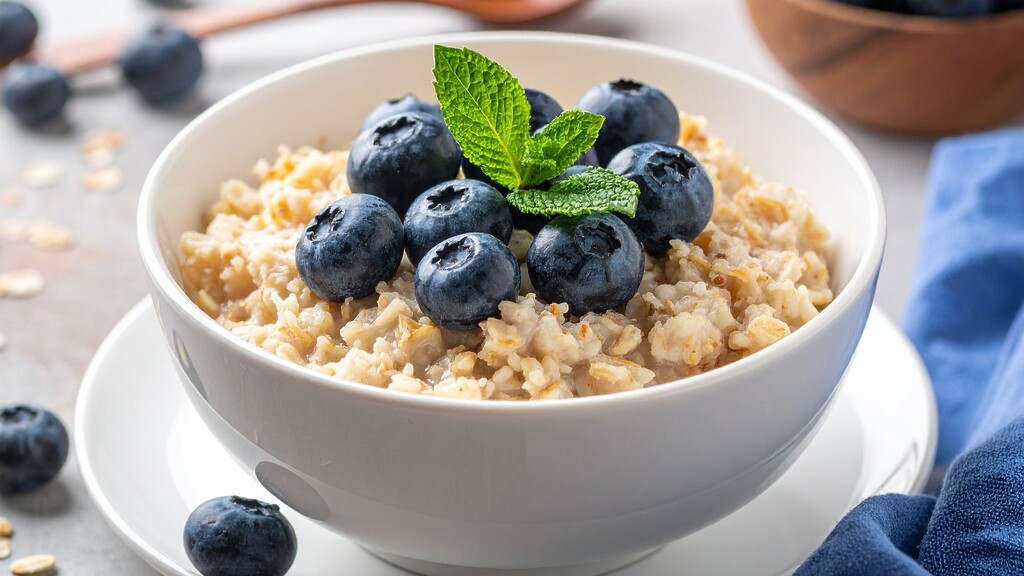
I used to buy the pre-flavored oatmeal packets for convenience. Actually, I bought them because the maple brown sugar flavor tasted like dessert. Switching to steel-cut oats was an adjustment, but research on oat beta-glucan indicates that this specific fiber in whole oats can help reduce post-meal glucose and insulin responses. Because steel-cut oats are less processed than instant oats, your body has to work much harder to break them down. They take about twenty to thirty minutes to simmer on the stove. Start with a measured half-cup of cooked oats to see how your body responds.
4. Eggs
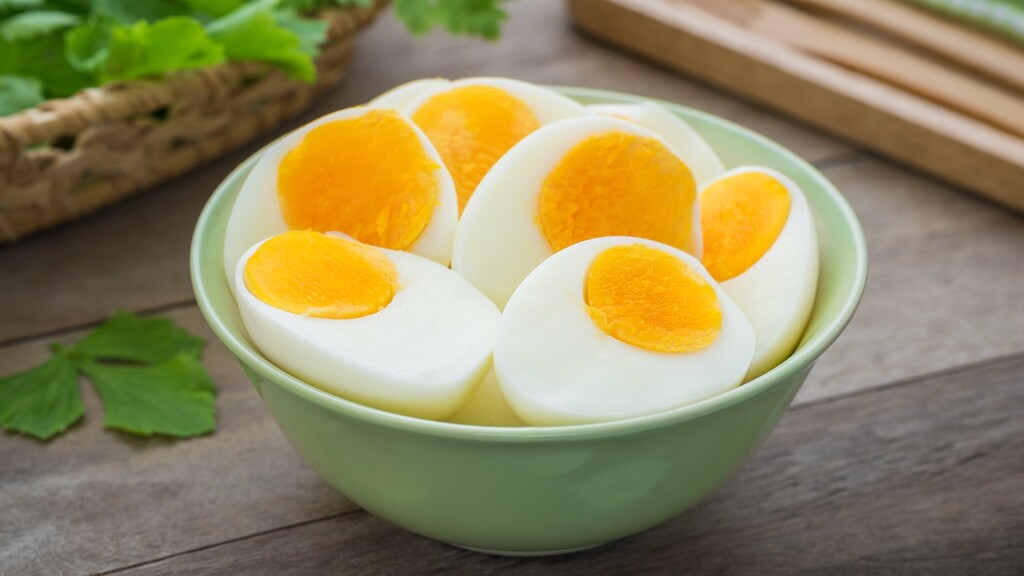
Breakfast is often the hardest meal to navigate with diabetes because traditional morning foods are basically just different shapes of sugar. Eggs are a perfect pivot. They contain almost zero carbohydrates and are packed with protein. Starting your day with two scrambled or boiled eggs sets a stable baseline for your blood sugar, making you far less likely to experience a massive crash by ten in the morning.
5. Lentils
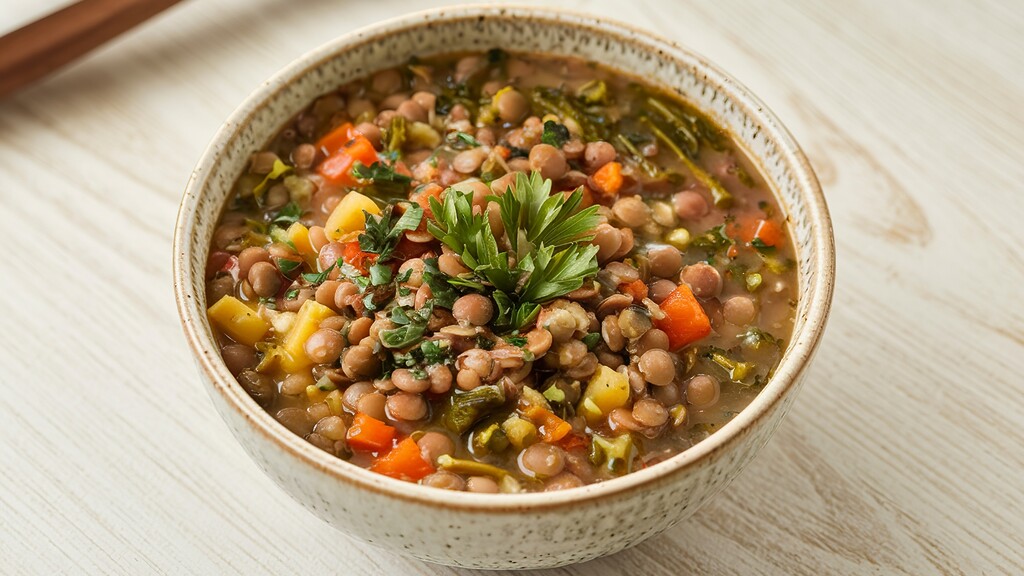
Beans and lentils are unique because they contain resistant starch. This is a type of carbohydrate that bypasses digestion in your small intestine entirely and ferments in your large intestine instead. Because lentils combine resistant starch, fiber, and protein, a standard half-cup serving gives you the satisfying, heavy feel of a starchy side dish with a gentler rise in your numbers.
6. Walnuts and Almonds
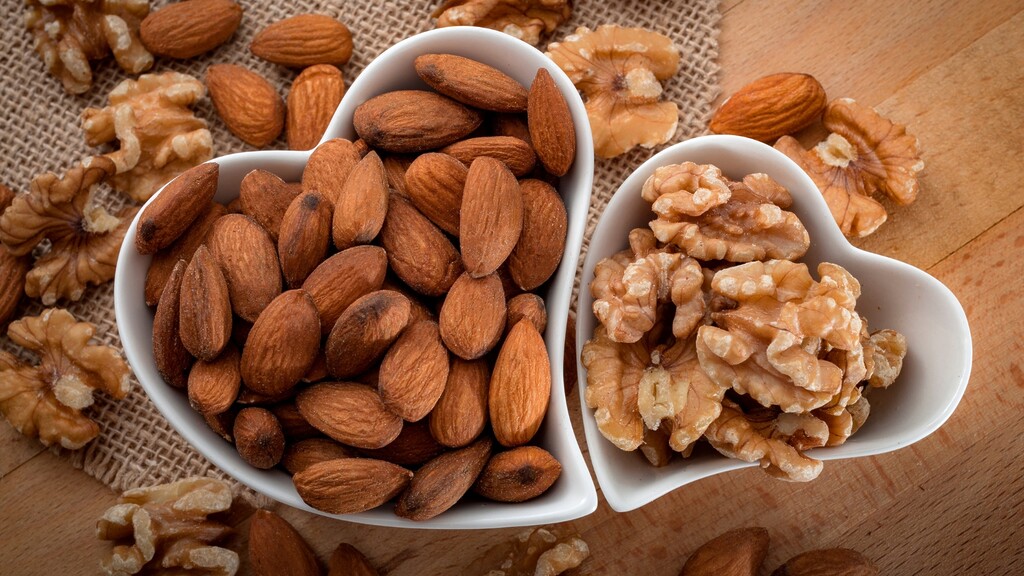
When you need something crunchy in the afternoon, potato chips will spike you immediately. Grabbing about a quarter cup of walnuts or almonds provides that exact same crunch but delivers a mix of protein and healthy fats. You only need that small one-ounce handful to feel full. I keep a small jar of raw almonds in my car console so I am never caught hungry while running errands.
7. Spinach and Swiss Chard
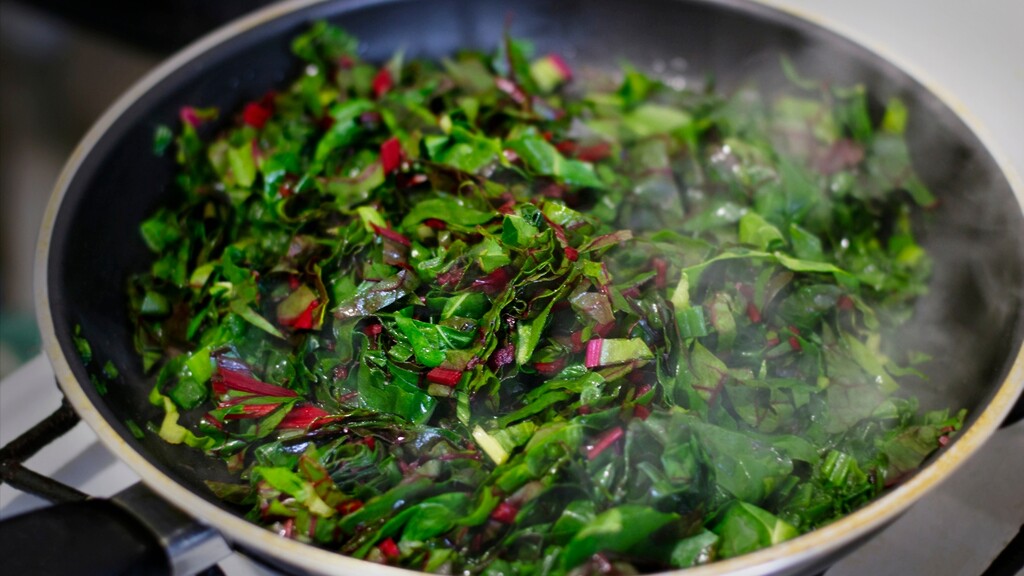
Leafy greens are the ultimate free food for blood sugar control because you can eat them in massive quantities with almost zero glycemic impact. Since I was also working to bring my blood pressure down from 145/95 mmHg, these greens did double duty for me. They are loaded with magnesium, a mineral that research suggests is tied to better glucose control and insulin response.
8. Plain Greek Yogurt
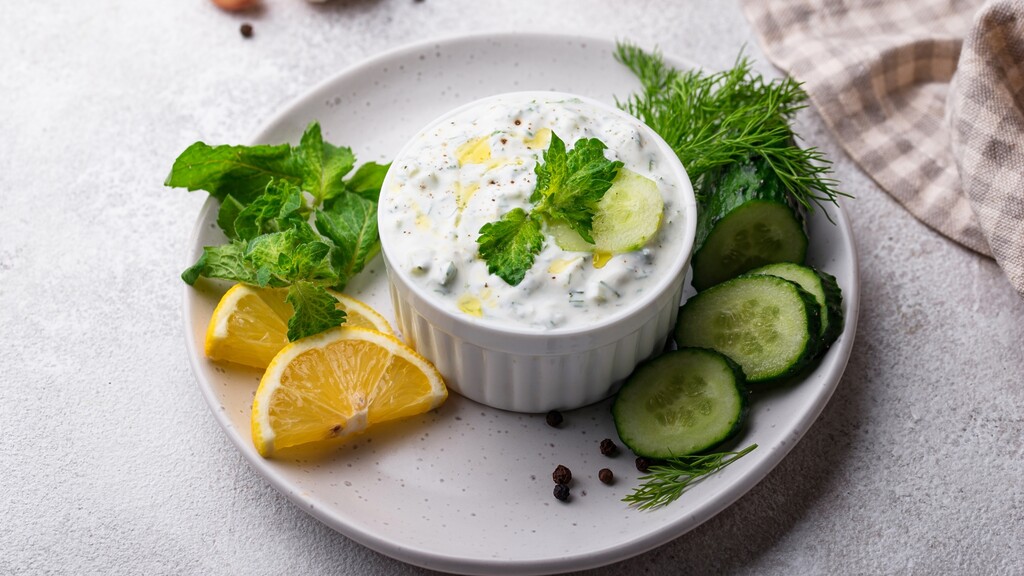
Dairy can be tricky, but plain, unflavored Greek yogurt is a fantastic tool. The straining process removes a lot of the natural milk sugars, leaving behind a highly concentrated source of protein. Just read the label carefully before you put it in your cart. You are looking for zero grams of added sugar and a lower total carbohydrate count per serving. Many popular vanilla and fruit-on-the-bottom yogurts contain more added sugar than a candy bar.
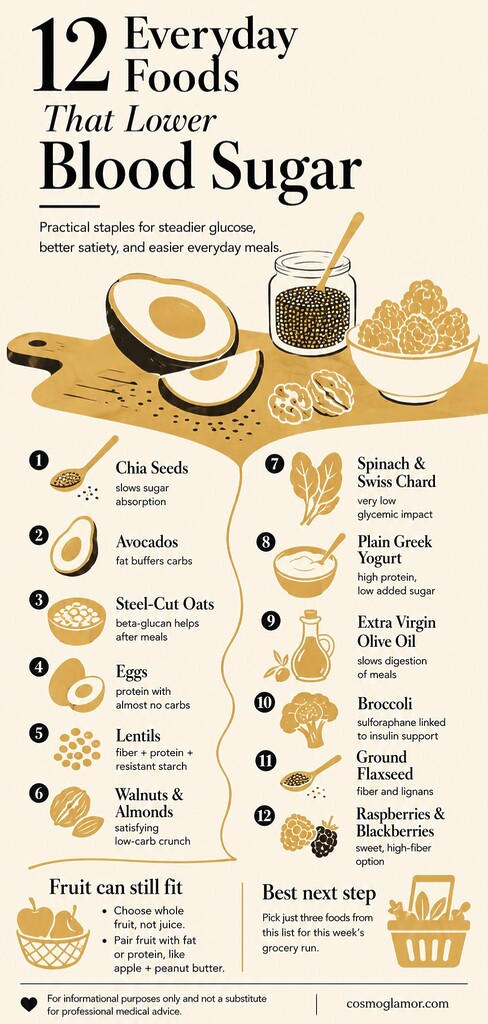
9. Extra Virgin Olive Oil
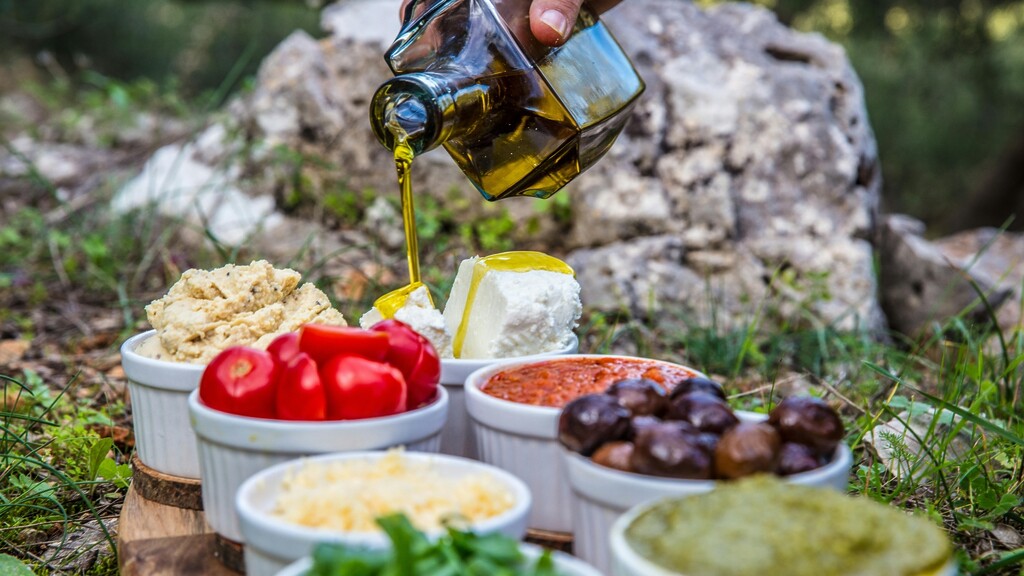
Cooking your vegetables in water or eating dry salads might save a few calories, but it works against your metabolic goals. Drizzling one to two tablespoons of extra virgin olive oil over your food slows down the overall digestion of the meal. It is a cornerstone of Mediterranean-style cooking, which has been shown time and again to help improve fasting blood sugar levels over the long term.
10. Broccoli
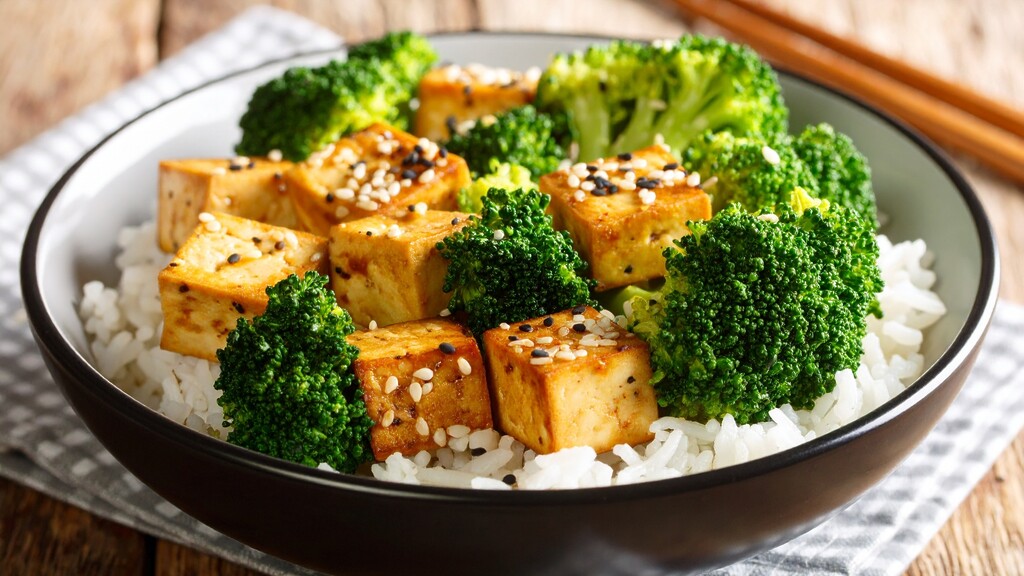
When you chew or chop raw broccoli, a plant compound called sulforaphane is created. Studies on sulforaphane-rich broccoli sprout powder indicate that this compound can help improve insulin resistance, though that research is more concentrated than a regular serving of broccoli. To get the most out of it, lightly steam your broccoli for exactly three to four minutes until it turns bright green. Boiling it to death destroys the compound, and it tastes better with a slight crunch anyway.
11. Ground Flaxseed
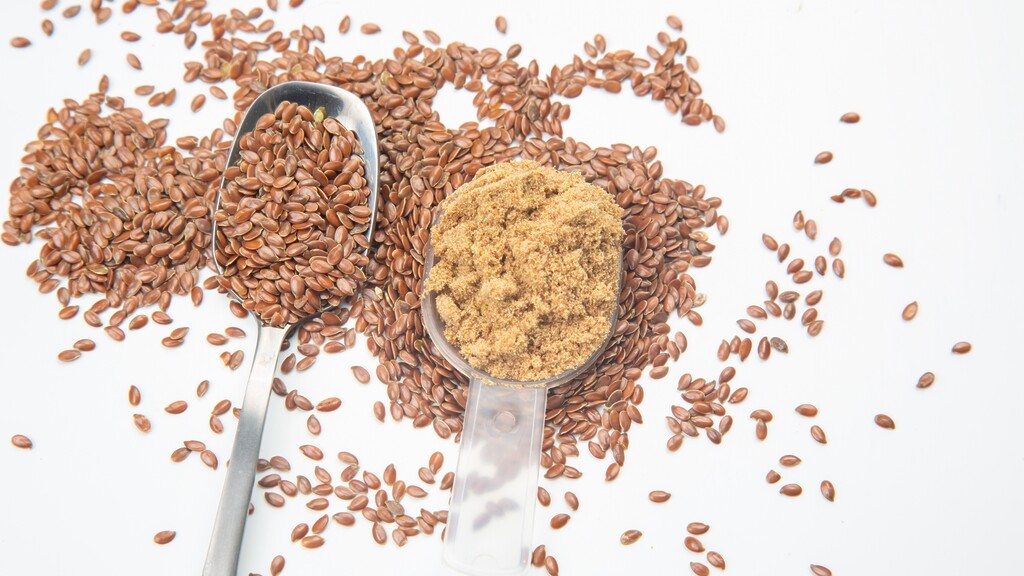
Whole flaxseeds can pass through your digestive system mostly intact, so the ground form is easier for your body to use. Always buy it ground or grind it yourself in a coffee maker. A single tablespoon provides a heavy dose of fiber and lignans, which work together to improve metabolic health. Store your ground flaxseed in the refrigerator in an airtight container so the natural oils do not go rancid.
12. Raspberries and Blackberries
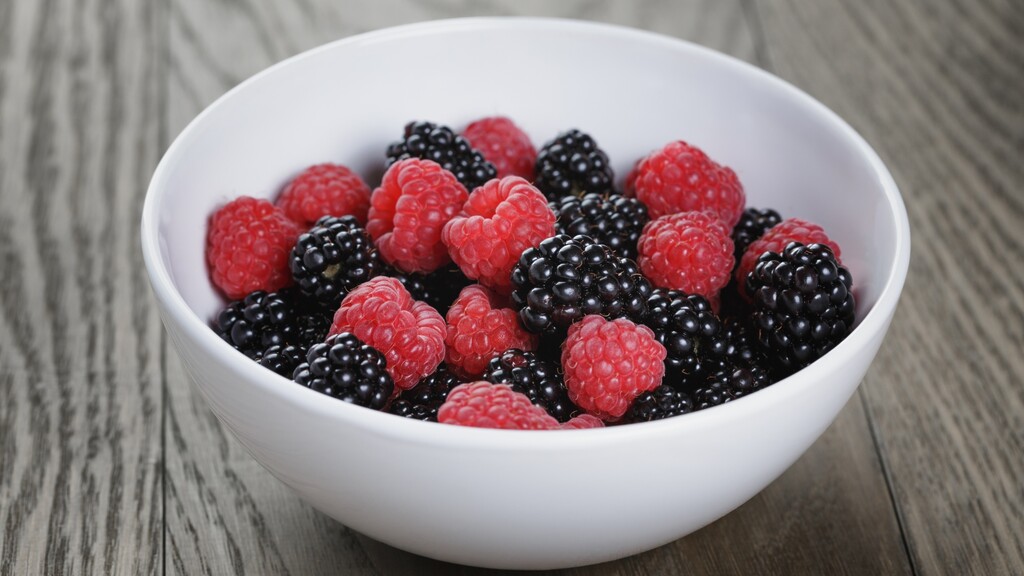
When you desperately need something sweet, berries are your safest exit ramp. Raspberries and blackberries in particular are incredibly high in fiber while remaining very low in total carbohydrates. A half-cup serving gives you the tart, sweet juice you are craving without the sharp spike that would come from eating a banana or a handful of grapes.
Can Diabetics Still Eat Fruit?
There is a stubborn myth that an elevated A1C means you must banish all fruit from your house immediately. You absolutely can still eat fruit, but you have to treat it with respect. Fruit still contains carbohydrates, so portions and timing matter, especially if you eat it alone on an empty stomach.
The solution is pairing. If you want an apple, slice it and eat it with two tablespoons of peanut butter. The fat and protein in the peanut butter change how your body processes the sugar in the apple. Always stick to whole fruits rather than juices. When you drink fruit juice, you strip away the protective fiber and send a concentrated blast of liquid sugar directly into your system.
Taking the Next Step
You do not need to overhaul your entire kitchen by tomorrow morning. If you try to swap everything at once, you will just end up frustrated and ordering a pizza by Thursday. Pick just three items from this list to add to your grocery run this week. Managing your numbers is not about achieving perfect discipline, but building a kitchen that makes the right choices easy.
Sources
- Viscous dietary fiber and glucose control — Frontiers in Nutrition, 2023.
- Oat beta-glucan and post-meal glucose — European Journal of Clinical Nutrition, 2021.
- Pulse consumption and glycemic control — European Journal of Nutrition, 2022.
- Magnesium supplementation and type 2 diabetes — Frontiers in Nutrition, 2023.
- Carb Choices — CDC, 2024.
- Olive oil and type 2 diabetes — Nutrition & Diabetes, 2017.
- Broccoli sprouts and insulin resistance — International Journal of Food Sciences and Nutrition, 2012.
- Ground flaxseed digestion — Mayo Clinic, 2023.
- Can I eat fruit if I have diabetes? — American Diabetes Association, 2026.
- Save for Later1.2K


12 Responses
This is a great list! I’ve been struggling to keep my blood sugar down, and I’m excited to try some of these foods. I’m a little confused about resistant starch, though. How can I tell if a food has resistant starch, and is it really that different from regular starch?
Hi Mary, thanks for your comment! I’m glad you found the list helpful. Resistant starch can be a bit tricky, but it’s worth understanding. Here’s the thing: regular starch gets digested quickly and turns into glucose, raising your blood sugar. Resistant starch, on the other hand, resists digestion in the small intestine and acts more like fiber.
It’s hard to know the exact amount of resistant starch in a food just by looking at it, but here are some general guidelines:
Cooking and cooling: Cooking starchy foods like potatoes, rice, and pasta and then letting them cool increases their resistant starch content.
Unripe bananas: Slightly green bananas have more resistant starch than fully ripe ones.
Legumes: Beans, lentils, and chickpeas are naturally good sources of resistant starch.
The difference between resistant starch and regular starch is significant for blood sugar control. Resistant starch has a much lower glycemic index, meaning it causes a slower and smaller rise in blood sugar. If you’re struggling to manage your blood sugar, incorporating more resistant starch into your diet can be a helpful strategy. You can also consider a resistant starch supplement, but always talk to your doctor first!
I’ve heard conflicting things about vinegar and blood sugar. Does it really work, and are there any side effects I should be aware of? Also, what’s the best type of vinegar to use?
Hi Linda, you’re right to question things! It’s always good to be informed. Research does suggest that vinegar, particularly apple cider vinegar, can improve insulin sensitivity and lower blood sugar levels after meals. It’s thought to work by slowing down the emptying of the stomach and improving glucose uptake by the cells.
As for side effects, some people may experience digestive discomfort, such as nausea or indigestion, especially when starting out. It’s also important to dilute vinegar with water, as undiluted vinegar can erode tooth enamel.
While apple cider vinegar is the most studied, other types of vinegar, like white vinegar or red wine vinegar, may offer similar benefits. The key is the acetic acid, which is the main active component.
I recommend starting with a small amount, like 1-2 teaspoons diluted in water, before meals and see how your body responds. You can gradually increase the amount if you tolerate it well. And, as always, it’s a good idea to check with your doctor, especially if you’re on any medications.
Okay, this is helpful, especially the part about dark chocolate! Finally, a diet that allows chocolate! But seriously, I’m a bit confused about the cinnamon. You mention Ceylon cinnamon specifically. Is the regular stuff I buy at the grocery store (the cheap stuff, let’s be honest) not good? Am I going to have to take out a second mortgage to afford fancy cinnamon? 😂
Hi Deborah, thanks for your comment! I’m glad you’re excited about the dark chocolate – who isn’t?! 😉 You’re right to ask about the cinnamon. Most of the cinnamon you find in regular grocery stores is Cassia cinnamon, which is cheaper, but it contains higher levels of coumarin, which can be a concern in large amounts. Ceylon cinnamon (“true cinnamon”) has much lower coumarin levels, making it a safer option for regular consumption.
Don’t worry, you don’t need to break the bank! While Ceylon cinnamon can be a bit more expensive, you can usually find it at health food stores or online without costing a fortune. You don’t have to completely ditch your regular cinnamon, but if you’re planning on using it regularly for blood sugar management, switching to Ceylon is a good idea. Think of it as a small investment in your health, not a second mortgage! 😉
This article is great, lots of good info. I’m especially intrigued by the shirataki noodles. Sounds like magic! But…are they actually tasty? Or are they one of those healthy things that taste like sadness? I’m picturing eating rubber bands with sauce. 😅
Hi Michelle, thanks for your question! I know what you mean about healthy things sometimes tasting…less than exciting. Shirataki noodles have a very neutral flavor, which is actually a good thing! They take on the flavor of whatever sauce or seasonings you use. The texture is a bit different – some people describe it as slightly chewy or even a bit rubbery if not prepared correctly.
The key is to rinse them really well to get rid of the initial smell and then cook them properly. Don’t overcook them! If you pair them with a flavorful sauce, veggies, and protein, you won’t even notice the slightly different texture. They definitely don’t have to be a sad, rubbery experience! Think of them as a blank canvas for your culinary creations. Give them a try – you might be pleasantly surprised! 😊
Wow, this is a lot of info! I’m bookmarking this for sure. I knew about cinnamon and berries, but resistant starch? That’s a new one for me. Sounds kinda weird, to be honest. 😂 Do I just, like, eat a cold, cooked potato? And are we talking sweet potatoes or regular? Also, dark chocolate is good for me? You’re speaking my language! 😉 What’s your favorite brand?
Hi Scarlett! Glad you found the article helpful! Resistant starch can seem a bit odd at first, but it’s pretty amazing stuff. Yes, eating cooled cooked potatoes (regular potatoes, sweet potatoes, or even rice) is one way to get it. The cooling process is key! They need to be cooked first, then thoroughly cooled in the fridge. If you’re not a fan of cold potatoes, don’t worry, there are resistant starch supplements that are easy to use as well. As for dark chocolate, it’s a win, right?! I personally love brands that are 85% cacao or higher and have minimal added ingredients. Look for ones that list the cocoa percentage on the label. Endangered Species, Theo and Alter Eco are usually good options. Experiment and find one you enjoy, but remember it is still a treat to be enjoyed in moderation. Let me know what you think!
Okay, shirataki noodles sound…interesting. Are they actually good? I’m a pasta lover, so this could be a game-changer. Also, I’ve tried apple cider vinegar before, and blech! 🤢 Any tips on making it more palatable? I really want to try and get my blood sugar under control, but some of this stuff is hard to swallow (literally!).
Hi Victoria! Shirataki noodles definitely have a unique texture, but many people find them to be a great substitute for pasta. It is important to rinse them very well under cold water before cooking, and then a quick pan-fry helps. They are a bit more ‘chewy’ than regular pasta, but they absorb flavors well, so they’re great in stir-fries or with a tasty sauce! As for the apple cider vinegar, I hear you! Try diluting it in a big glass of water with a squeeze of lemon or a few berries for flavor. You can also add a tiny pinch of stevia if you need a touch of sweetness. Another option is to use it in salad dressings – the oil and other ingredients help mask the strong taste. Don’t give up! It might take some experimenting, but I am sure you can find a way to make it work for you.