

Airports are built for waiting, and vacations are built for spontaneity. Blood sugar, however, thrives on predictable routines. Bridging that gap does not mean dragging a rolling pharmacy behind you, but it does require setting up a reliable baseline before you leave the house.
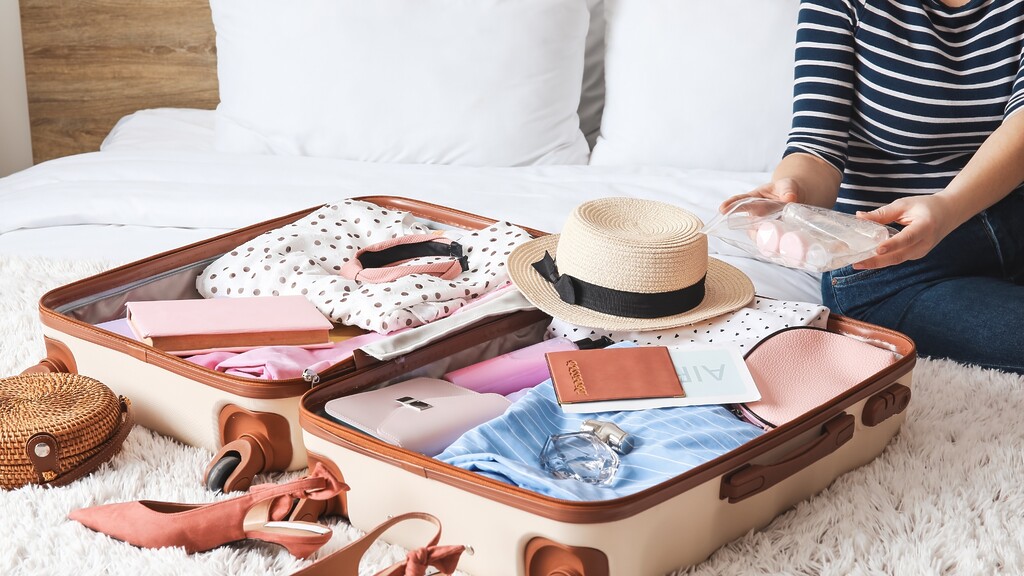
Flying With Diabetes Supplies: The TSA Reality
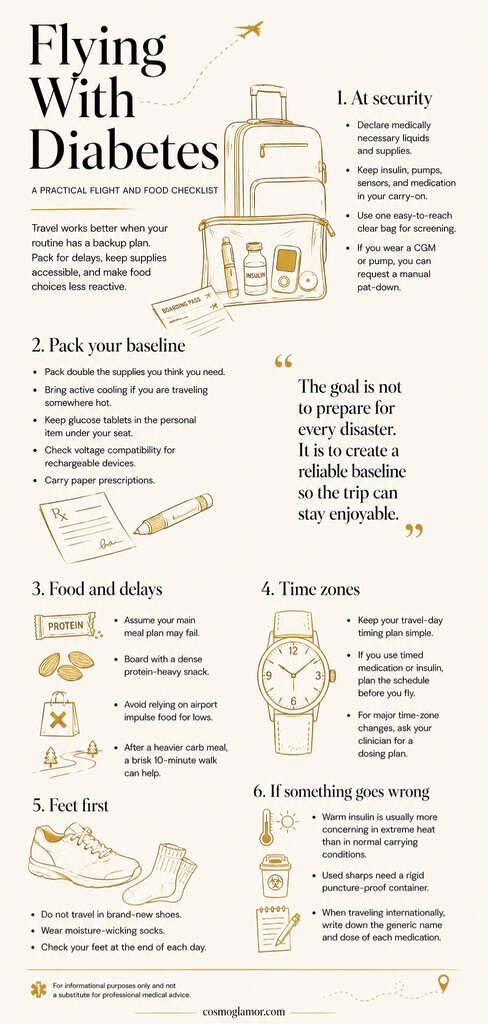
Security agents process medical devices thousands of times a shift. You are explicitly allowed to bring diabetes supplies, liquids, and medications through the checkpoint, even if they exceed the standard liquid limits. You simply need to declare them.
Before you place your bags on the belt, tell the agent you are carrying medically necessary liquids. Keep all insulin, sensors, and pumps in your carry-on luggage, because checked luggage can get too cold, and frozen insulin can lose effectiveness. Separating your supplies into a single, easily accessible clear bag speeds up the screening process and prevents agents from rummaging through your personal items. If you use traditional gel ice packs instead of a cooling wallet, TSA allows medically necessary cooling accessories through the checkpoint even when they are partially frozen or slushy, provided you declare them upfront.
If you wear a Continuous Glucose Monitor (CGM) or an insulin pump, you have the right to request a pat-down instead of going through the Advanced Imaging Technology scanners. Many manufacturers advise against putting these devices through full-body scanners or X-ray machines due to potential radiation interference with the internal sensors. Pointing to your device and asking for a manual screen is a routine request that agents handle daily.
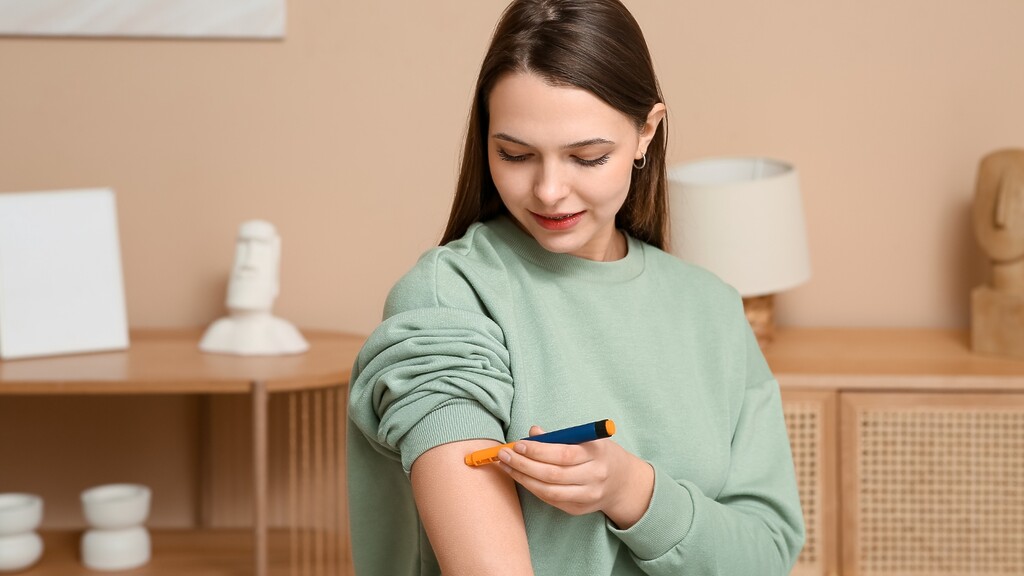
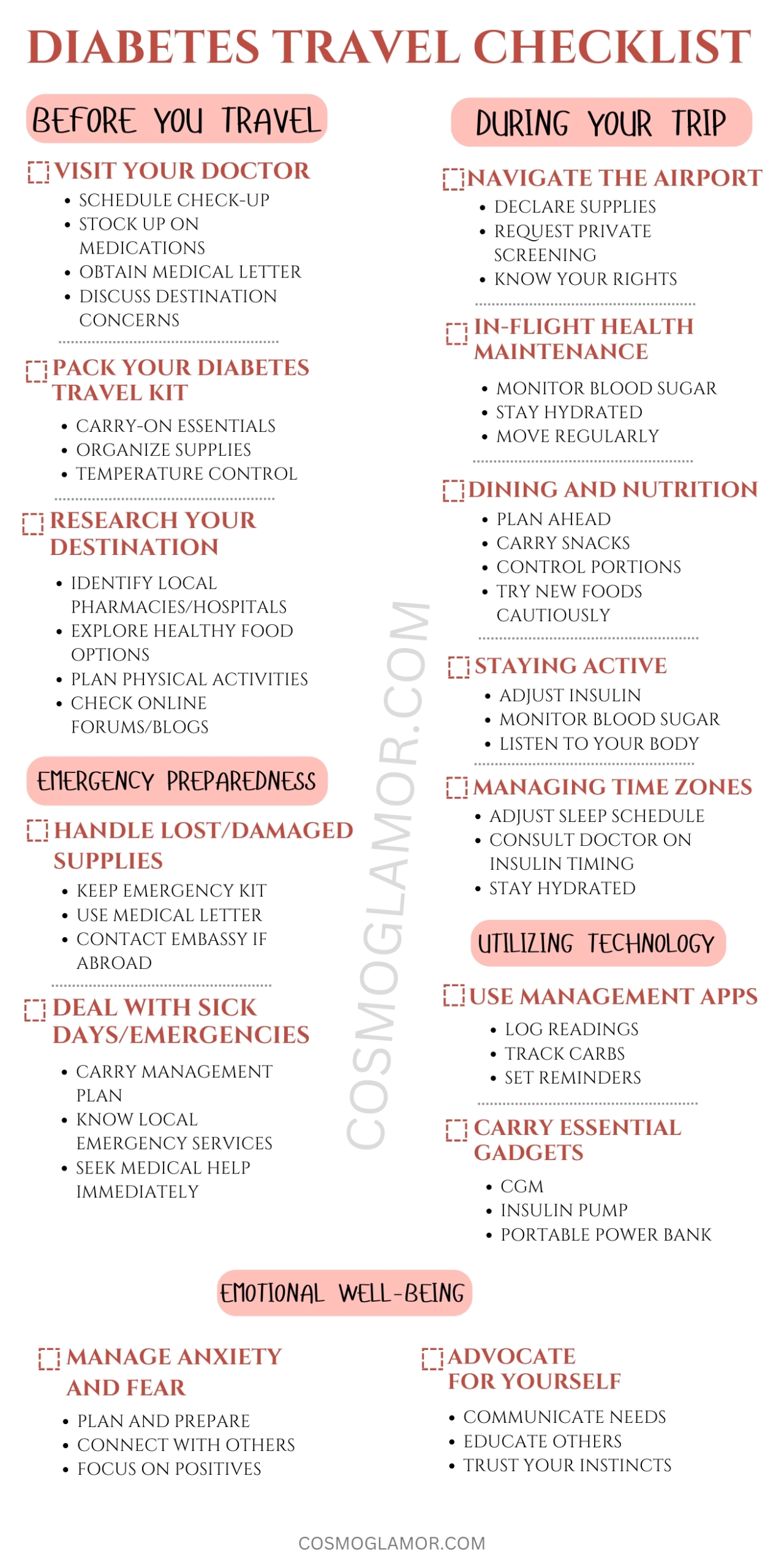
The Baseline Diabetes Travel Checklist
Packing for a trip usually involves guessing what you might need. A diabetes travel checklist requires a different framework: preparing for what will inevitably be delayed.
- Double your estimated supplies. Calculate exactly how many test strips, pump sites, sensors, and medication doses you need for the duration of the trip, and pack twice that amount. Travel delays, dropped vials, or a sensor that falls off early are common disruptions you can easily solve if you have backups.
- Secure active cooling. If you are traveling to a warm climate, evaporative cooling wallets like a Frio bag are highly effective. You soak the pouch in water, and the resulting evaporation keeps your insulin at a safe room temperature for an extended stretch without needing a refrigerator or ice packs.
- Pack precise glucose rescues. Instead of relying on a chaotic airport terminal for a quick snack, carry dedicated glucose tablets. Tablets offer a precise, measured dose, which makes it easier to avoid over-treating a low; guessing with a bottle of airport juice is less predictable. Keep these in the personal item under the seat in front of you, not the overhead bin, so you can reach them immediately during turbulence when the seatbelt sign is on.
- Check device voltage compatibility. If you use a rechargeable pump, CGM receiver, or smart pen, look at the fine print on the plug before traveling internationally. Most modern medical chargers are dual-voltage (100–240V) and only need a basic shape adapter, but plugging a 110V-only device into a European 220V outlet will permanently fry the battery.
- Carry paper prescriptions. Ask your physician for physical paper copies of your prescriptions before you leave. If your bags are stolen or a vial shatters, walking into a local pharmacy with a valid paper script is significantly faster than trying to get an out-of-state doctor to call an order in on a weekend.
The goal of packing is not to prepare for every possible disaster. It is to build a predictable baseline so you can actually enjoy the unpredictable parts of your trip.
Handling Unpredictable Food and Flight Delays
Travel forces you into food environments you do not control. You are at the mercy of delayed catering carts, closed terminal restaurants, and roadside diners with limited menus. One of the most effective travel tips for diabetics is to assume your primary meal plan will fail.
I always board a flight with a dense, protein-heavy snack like almonds, a hard-boiled egg, or a quality protein bar. If the flight sits on the tarmac for three hours, you are not forced to spike your blood sugar with the complimentary pretzels just to stave off hunger. If you do end up eating a heavier carbohydrate meal during a layover, take a brisk ten-minute walk up and down the concourse. Walking uses muscle contractions to pull glucose directly out of your bloodstream, helping to blunt the spike from the airport food.
Time Zones and Medication Routines
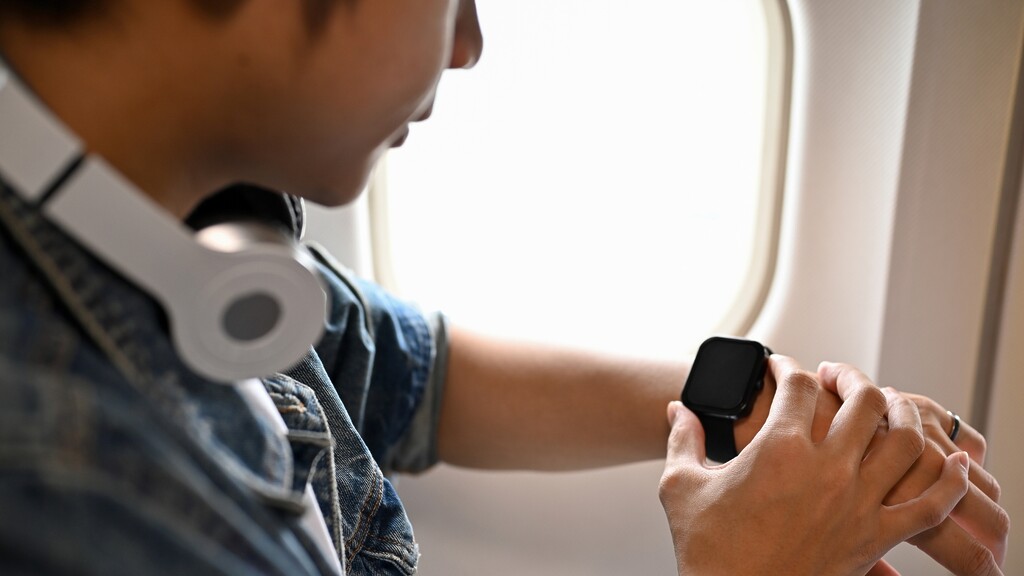
Crossing multiple time zones creates immediate friction for medication schedules. If you manage your condition with diet and exercise alone, adjusting is as simple as shifting your meals to the new local time. If you take timed medications or insulin, the math requires planning.
A common medical approach is to keep your watch set to your home time zone during the actual flight, using your clinician's dosing schedule for the travel day. Once you land, follow the local-time transition plan your clinician mapped out. However, adjusting long-acting basal insulin across major time jumps requires knowing how your specific insulin and dosing schedule work. Always consult your physician a few weeks before an international trip to draft a specific dosing schedule based on your flight itinerary.
Foot Care When You Are Logging Miles
Vacations usually involve double or triple the amount of walking you do at home. For anyone focused on metabolic health, prioritizing your feet is a non-negotiable daily task.
Never pack a brand-new pair of shoes for a trip. The friction from unbroken shoes combined with the swelling that occurs during air travel creates a perfect environment for blisters. Pack shoes you have already worn heavily, and bring moisture-wicking socks to keep the skin dry. At the end of every day, take sixty seconds to physically inspect the bottoms of your feet for redness, pressure spots, or minor cuts you may not have felt.
Common Travel Friction Points
What happens if my insulin gets warm?
Modern insulin is more resilient than older formulations. Many insulin products can be kept at controlled room temperature (59°F to 86°F) for up to 28 days, but you should check the label for your specific vial, cartridge, or pen. The danger is extreme heat, like leaving a bag in a hot rental car in the sun. If your medication gets slightly warm in your backpack during a walking tour, it is generally fine, but always discard it if it turns cloudy or clumps.
Can I pack my used sharps in my luggage?
Yes, but you must carry a rigid, puncture-proof container. If you do not want to pack a bulky official sharps container, an empty heavy-duty laundry detergent bottle with a screw-on lid can work as a temporary alternative, as long as it is leak-resistant, puncture-resistant, upright, and clearly labeled.
What if I run out of supplies internationally?
Availability and prescription rules vary by country, and even familiar insulin or testing supplies may have different names, strengths, or packaging. Before you leave, write down the generic name and dose of your medications. Brand names change across borders, so that information gives local clinicians and pharmacists a safer starting point.
You manage your health every single day at home, and the skills you use there do not disappear just because you crossed a state line or an ocean. Prepare the baseline, pack the backups, and then go enjoy your trip.
Sources
- What Can I Bring With Me on the Plane – American Diabetes Association, 2026.
- Tips for Traveling With Diabetes – CDC, 2024.
- Travel Resources for Insulin Pump or CGM System Users – Medtronic, 2026.
- Treatment of Low Blood Sugar – CDC, 2024.
- Advice to Walk After Meals – Diabetologia, 2016.
- Traveling With Diabetes – Johns Hopkins Medicine, 2025.
- Diabetes Foot Care Tips – American Diabetes Association, 2026.
- Insulin Storage and Effectiveness – FDA, 2017.
- Sharps Disposal Containers – FDA, 2021.
- Traveling With Restricted Medications – CDC Yellow Book, 2025.
- TSA What Can I Bring – Transportation Security Administration, 2026.
- Blood Glucose and Exercise – American Diabetes Association, 2026.
- Traveling Abroad With Medicine – CDC Travelers' Health, 2022.
- Medicine and Health – U.S. Department of State, 2025.
- Travelling With Insulin and Other Diabetes Equipment – MyWay Digital Health, 2026.