


When my doctor handed me a Type 2 diabetes diagnosis and a 7.8% A1C, the internet immediately told me to stop eating everything I loved. The standard advice focused entirely on subtraction. Instead of staring at an empty plate, I started researching foods that actively work for my metabolism. I went looking for ingredients that do heavy lifting for blood sugar control.
Note: I am sharing the research and the exact foods that helped me bring my A1C down to 6.1%, but I am not a physician. Always check with your doctor before making major changes to your diet or medication routine.
The Best Superfoods for Diabetics
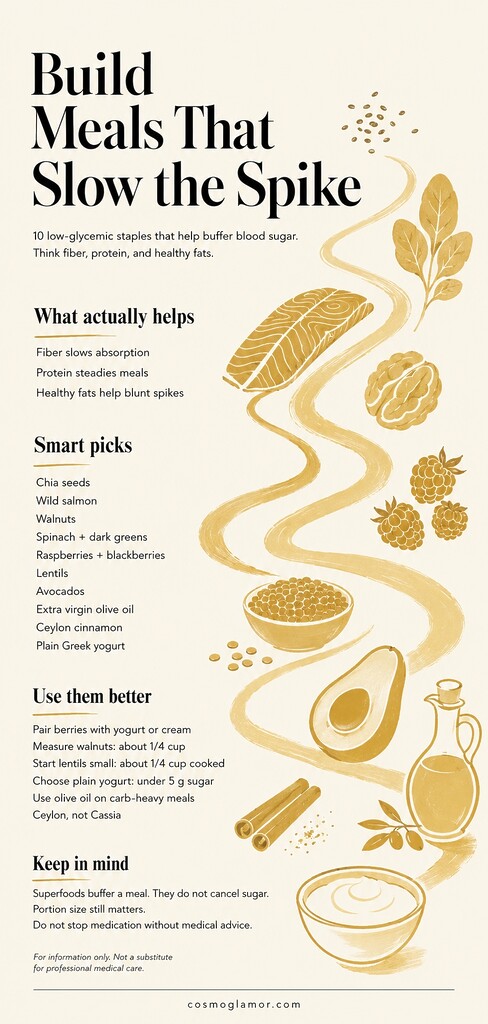
A superfood does not cancel out a sugary meal. It acts as a buffer. These ten specific foods belong on any foods for diabetics list because they physically slow down digestion, buying your metabolism time to process the meal without a rapid glucose spike.
1. Chia Seeds
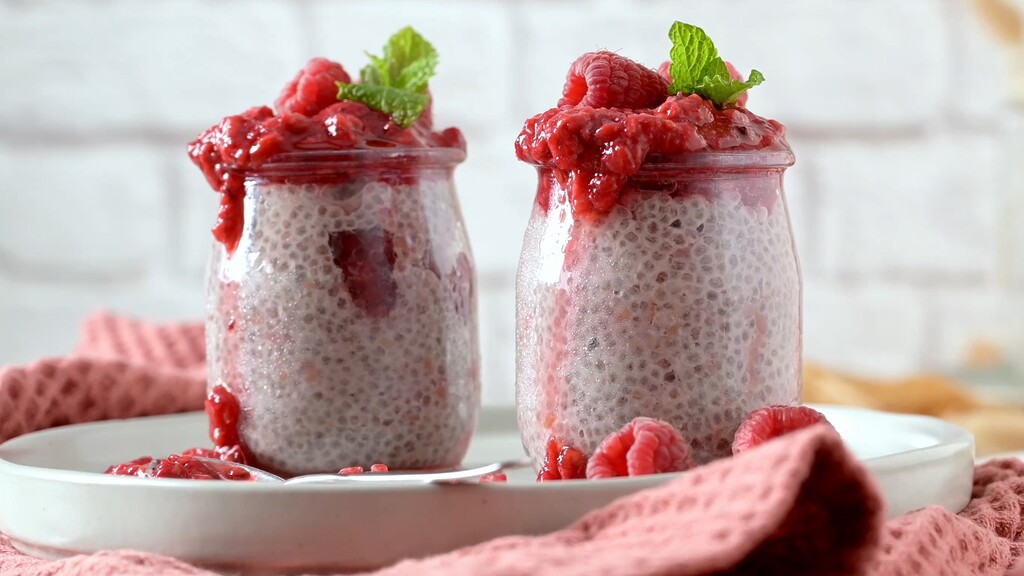
If you only add one new ingredient to your pantry this week, make it chia seeds. These tiny black seeds are rich in fiber. When they mix with liquid in your stomach, they swell up and form a thick gel. This gel acts like a physical roadblock in your digestive tract, slowing the rate at which your body absorbs carbohydrates from the rest of your meal.
Stir two tablespoons into a glass of water with a squeeze of lemon, and let it sit for about 10 minutes before drinking so the seeds actually have time to form that gel. They have zero flavor on their own, making them incredibly easy to hide in yogurt or overnight oats.
2. Wild-Caught Salmon
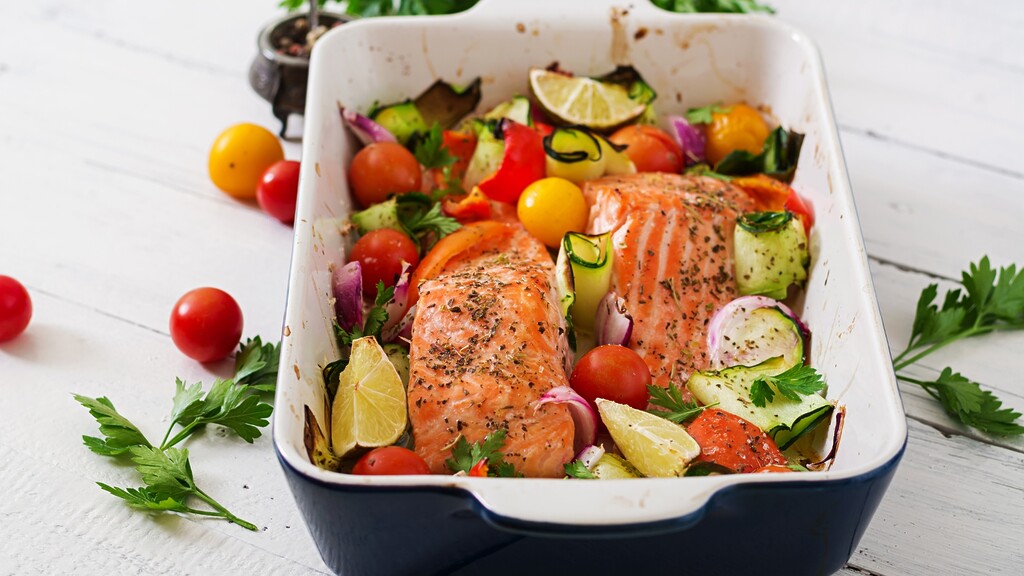
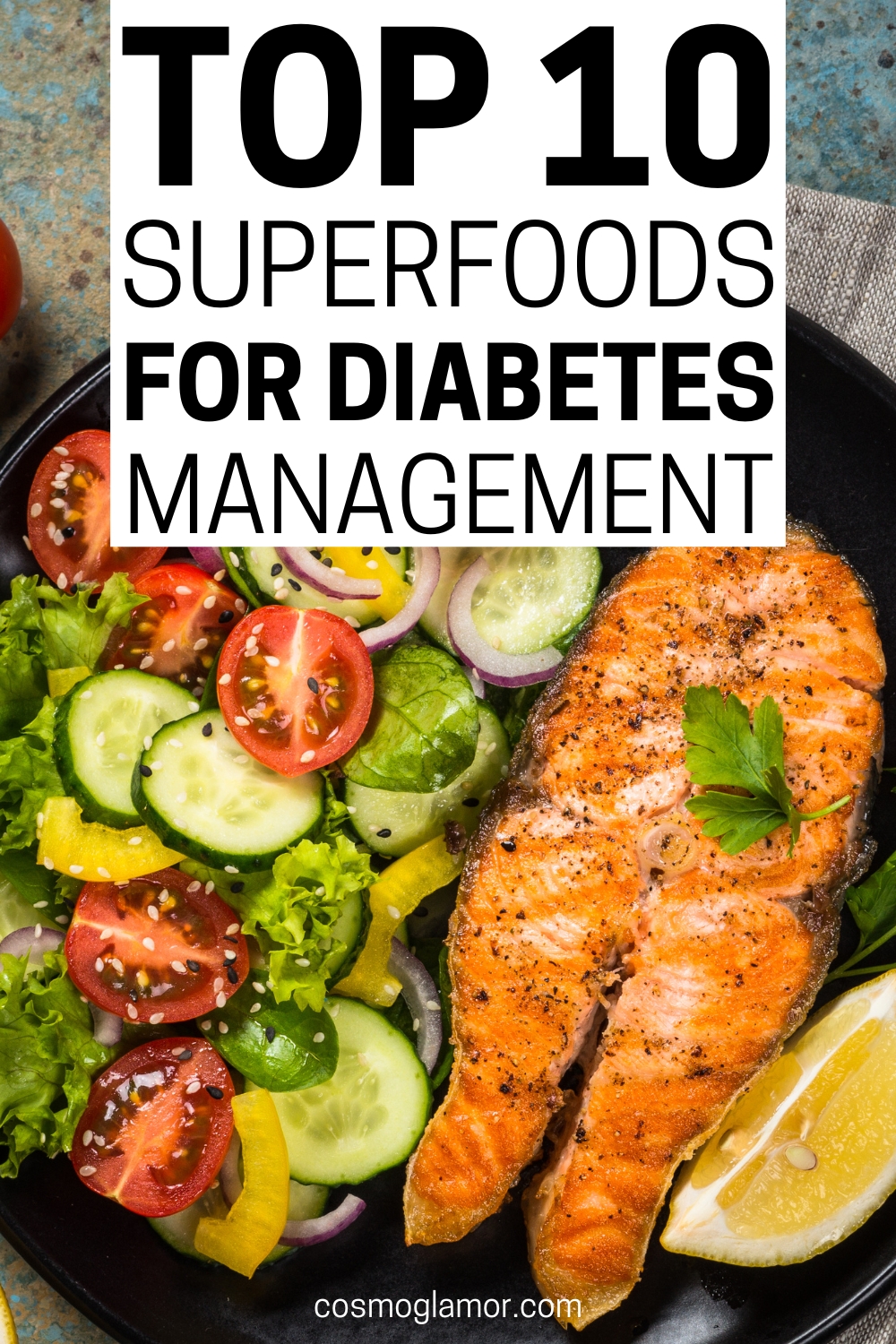
Protein is your best defense against erratic blood sugar. Wild-caught salmon delivers high-quality protein alongside a massive dose of omega-3 fatty acids. These specific fats may help lower inflammatory markers tied to insulin resistance over time. When inflammation is better controlled, your cells may respond better to the insulin your body naturally produces.
Aim for a six-ounce serving twice a week. You can bake fresh fillets at 400°F for roughly 12 to 15 minutes. Canned wild salmon is a fantastic, budget-friendly alternative if fresh fish is too expensive or you are short on time. Just check the label to ensure it is packed in water or olive oil.
3. Walnuts
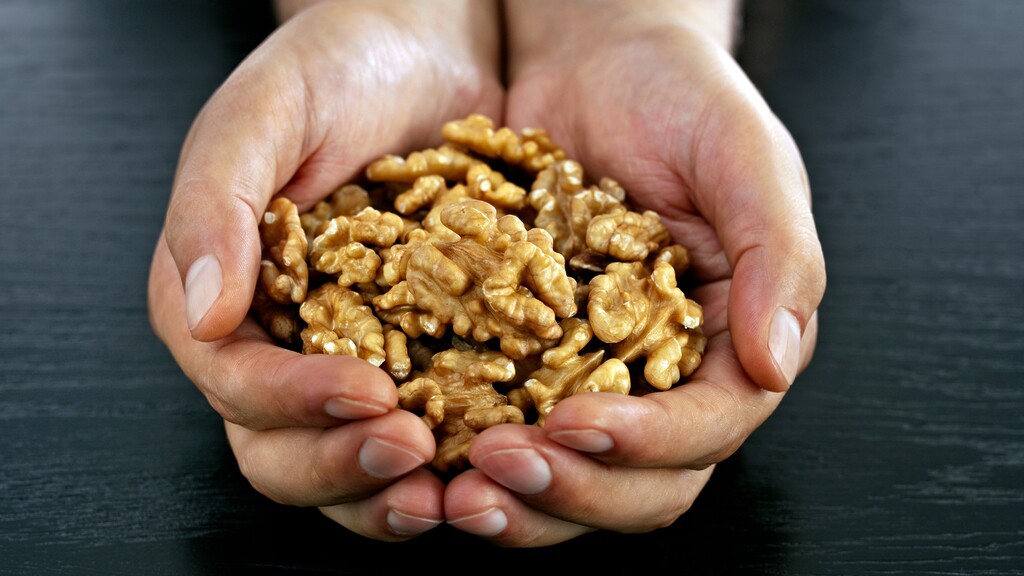
We all miss the crunch of potato chips. Walnuts provide that satisfying texture while offering a totally different metabolic response. They are packed with polyunsaturated fats and fiber. Eating a handful of walnuts with a piece of fruit may help slow how quickly the sugar hits your bloodstream.
Keep your portion to about a quarter cup per day. They are incredibly calorie-dense, so measuring them out instead of eating directly from the bag keeps you from accidentally consuming a meal's worth of calories during a snack break.
4. Spinach and Dark Leafy Greens
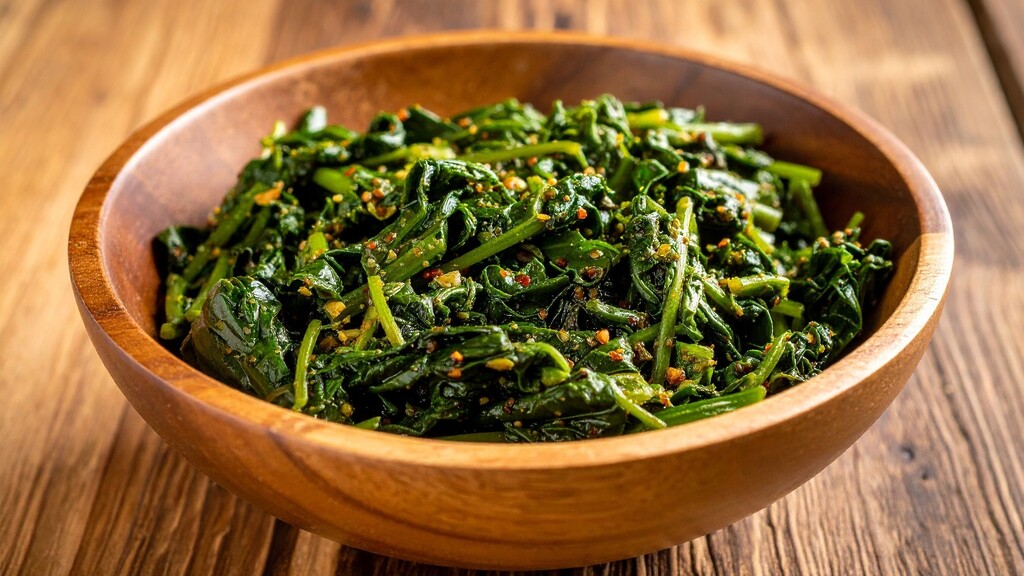
You can eat leafy greens until your jaw gets tired without moving the needle on your blood sugar monitor. Spinach, kale, and Swiss chard are quintessential diabetic friendly foods because they carry a near-zero glycemic load while delivering high amounts of vitamin C and magnesium. Magnesium is particularly important because studies on magnesium supplementation show modest improvements in blood sugar markers, though it is not a stand-alone treatment.
If you hate eating huge salads, throw two large handfuls of spinach into a hot skillet with a little olive oil. It wilts down to almost nothing in three minutes, letting you eat a massive amount of nutrients in three bites.
5. Raspberries and Blackberries
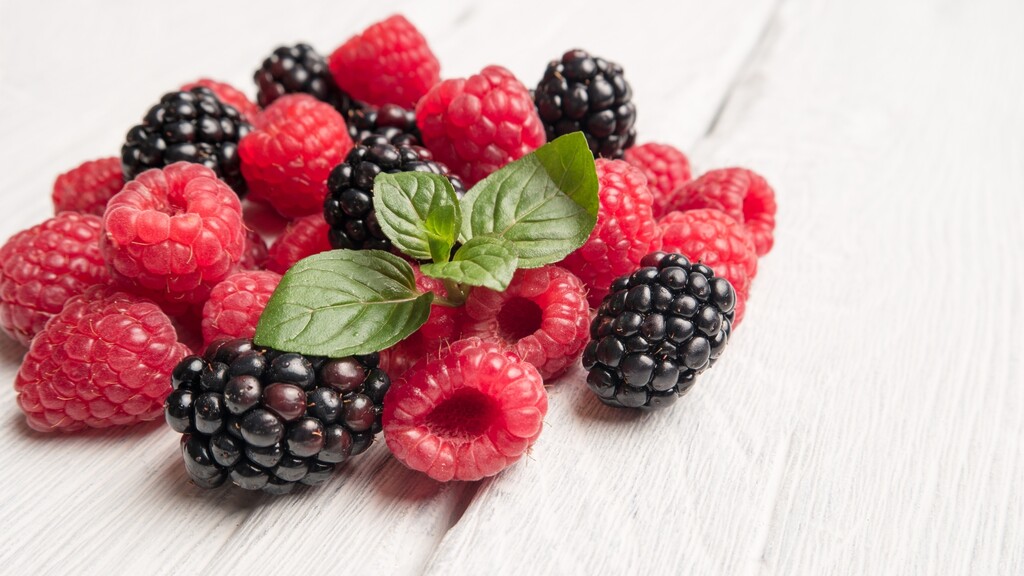
Many people with diabetes are terrified of fruit. You do not have to avoid it, but you do need to choose wisely. Raspberries and blackberries are the smartest choices in the produce aisle. They are incredibly high in fiber while remaining much lower in sugar than bananas or grapes. That high fiber-to-sugar ratio means you get the sweet taste without the sudden glucose spike.
A half-cup serving hits the spot when you need a dessert. Pair them with a spoonful of heavy cream or Greek yogurt to blunt the impact even further.
6. Lentils
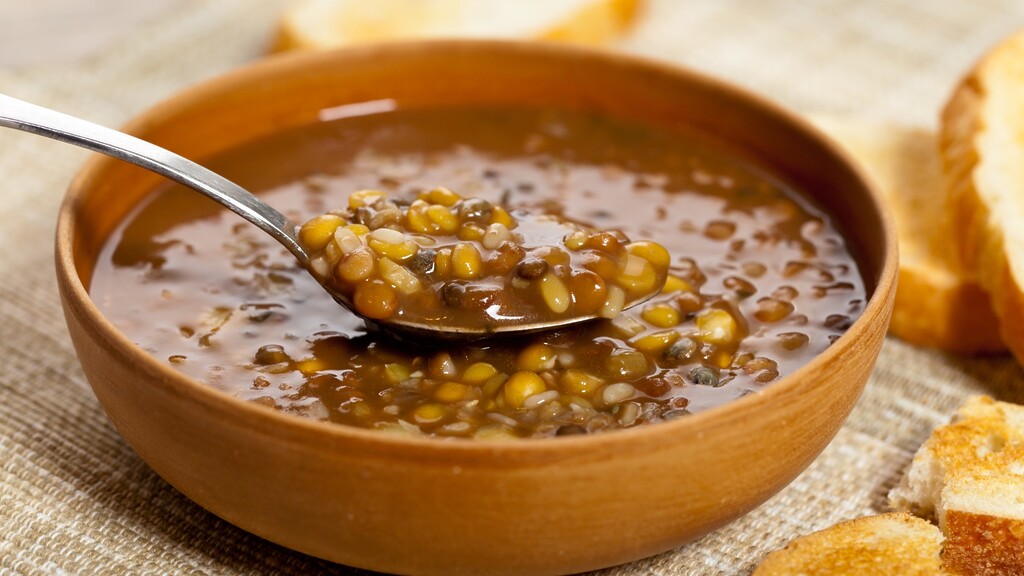
Beans and legumes often confuse people monitoring their carbs. Yes, they contain carbohydrates. But lentils are rich in a specific type called resistant starch. Your body cannot fully digest resistant starch. Instead, it passes intact to your colon where it feeds your good gut bacteria. Healthy gut bacteria produce short-chain fatty acids, which have been linked with better insulin sensitivity in human studies.
Start with just a quarter cup of cooked lentils added to a salad. Canned lentils work perfectly and save you an hour of boiling; just rinse them thoroughly under cold water first to remove the excess canning sodium. If your stomach isn't used to high fiber, increasing your intake slowly prevents bloating.
7. Avocados
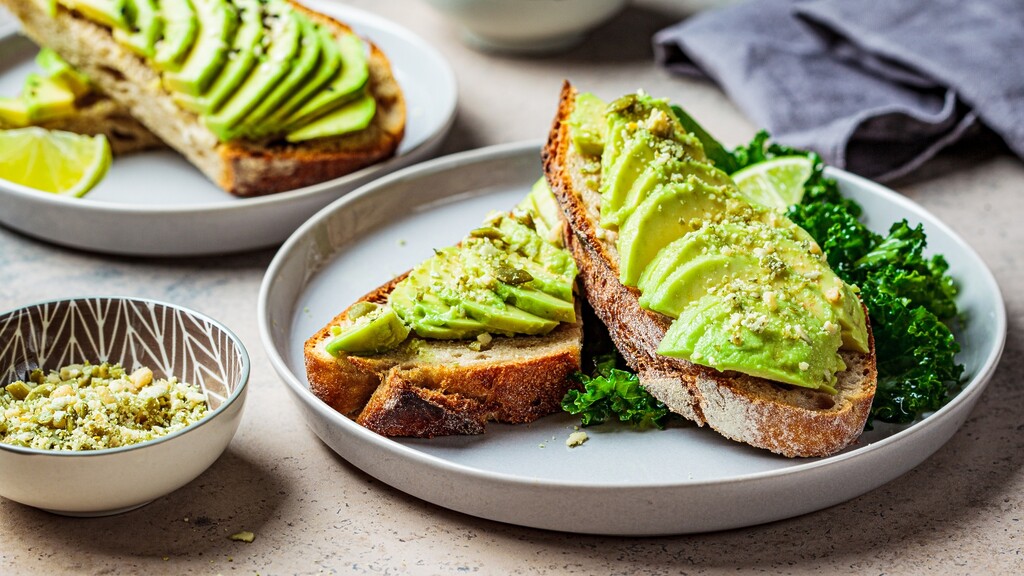
Fats do not trigger an insulin response. Avocados are essentially pure monounsaturated fat wrapped in fiber. Replacing refined carbohydrates with the fats and fiber found in avocados can support a better lipid profile and help build steadier meals.
Mash half an avocado with salt and lime juice, and use it in place of mayonnaise on sandwiches or as a dip for celery. The fat acts as an anchor for your blood sugar, keeping it steady between meals.
8. Extra Virgin Olive Oil
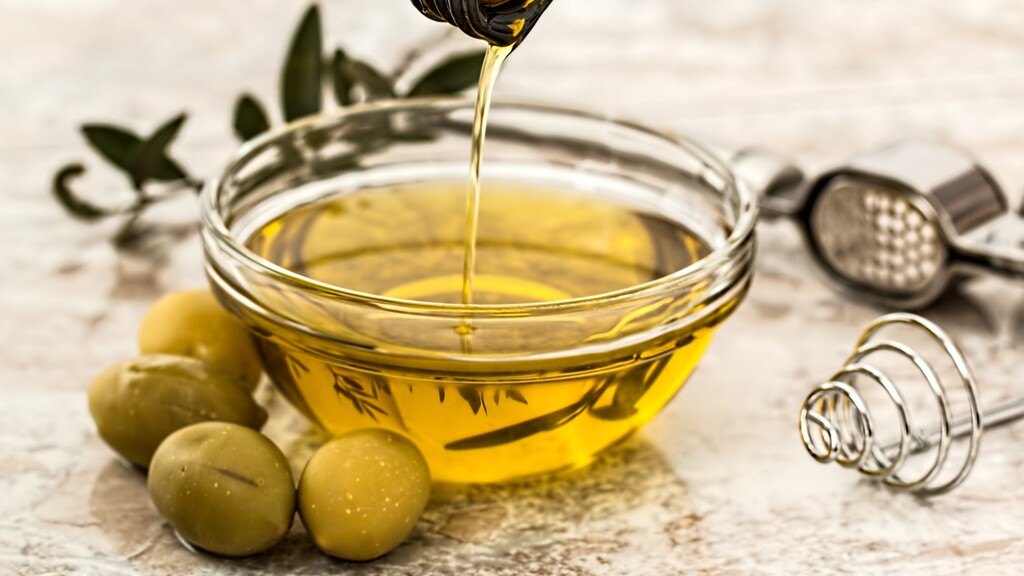
This is the liquid gold of the Mediterranean diet and a cornerstone for metabolic health. Extra virgin olive oil contains oleic acid and powerful antioxidants. When you dress a carbohydrate heavy food with olive oil, it may delay the emptying of your stomach. This means the glucose from your food may enter your bloodstream more gradually rather than as a sudden flood.
Use about one to two tablespoons to dress your dinner salad or finish roasted vegetables. Never buy the cheapest bottle on the shelf. Look for oil housed in dark glass, which protects the delicate antioxidants from light degradation.
9. Ceylon Cinnamon
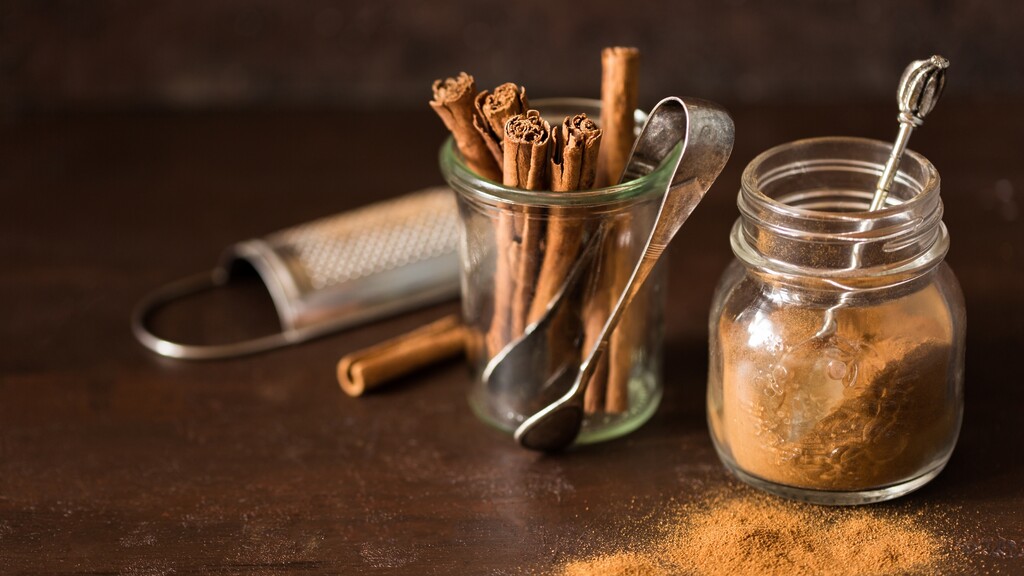
Cinnamon is unique on this list because it is a spice, not a staple food. Some clinical studies on cinnamon suggest that taking cinnamon daily can modestly lower fasting blood glucose levels, though the overall evidence is mixed. The mechanism is still being studied, and cinnamon belongs in the “helpful seasoning” category, not the “treatment” category.
Make sure you buy Ceylon cinnamon rather than the more common Cassia variety. Cassia contains high levels of coumarin, which can strain your liver if you eat it every day. A half-teaspoon stirred into your morning coffee or oatmeal is plenty for flavor without treating it like medicine.
10. Plain Whole Milk Greek Yogurt
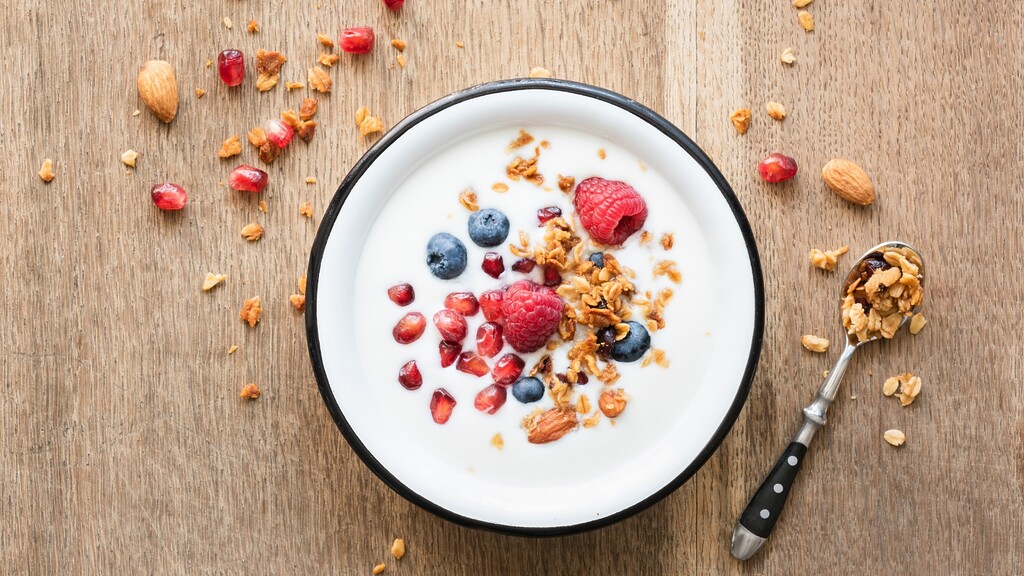
Most yogurt in the grocery store is disguised dessert, packed with fruit syrups and added sugar. Plain, whole milk Greek yogurt is entirely different. The straining process removes most of the liquid whey, which drops the carbohydrate count and doubles the protein. The fat and protein help keep you full and may soften the impact of the remaining natural dairy sugars.
A standard serving is about three-quarters of a cup. Always double-check the nutrition label. You want a brand with less than 5 grams of total sugar per serving.
Superfoods do not cancel out a sugary meal. They act as a buffer, slowing down digestion and buying your metabolism time to handle the load.
Common Questions About Diabetic Superfoods
Can I eat as much fruit as I want if it is low-glycemic?
No. Even low glycemic superfoods like berries contain natural fructose. While the fiber helps slow absorption, eating an entire carton of raspberries will still raise your blood sugar. Portion control remains critical. Stick to a half-cup serving and pair it with a protein or fat, like a handful of almonds, to blunt the impact.
Do I still need my medication if I eat these foods?
Absolutely. Diet is a powerful tool for managing insulin resistance, but it takes time to change your metabolic baseline. Never stop or adjust your prescribed medication without your doctor's supervision. Think of these foods as partners to your medication, making your doctor's job easier over time.
Moving Forward with Your Groceries
You do not have to buy all ten of these items today. Pick two or three that sound genuinely good to you and find a way to work them into your routine this week. Managing diabetes is rarely about making one massive, perfect diet overhaul. It is about making slightly better choices, meal after meal, until those choices just become your normal Tuesday breakfast.
Sources
- Effects of soluble dietary fibers on glycemic response – Foods, 2022.
- Omega-3 fatty acids and cardiometabolic biomarkers in type 2 diabetes – Cardiovascular Diabetology, 2018.
- Glycemic effect of nut-enriched meals – Nutrition, Metabolism and Cardiovascular Diseases, 2011.
- Magnesium supplementation and glycaemic control in type 2 diabetes – British Journal of Nutrition, 2022.
- Short-chain fatty acids and insulin sensitivity – Nutrition Reviews, 2024.
- Avocado consumption and lipid profile modulation – PubMed, 2025.
- Extra virgin olive oil and postprandial glycemia – Clinical Nutrition, 2019.
- Cinnamon and glycolipid metabolism – Nutrients, 2023.
- Cassia cinnamon and coumarin content – Federal Institute for Risk Assessment, 2012.
- Yoghurt consumption in type 2 diabetes management – Food & Function, 2020.
- Steps to help you stay healthy with diabetes – CDC, 2024.
- Nutritional potential of chia seed – Food Hydrocolloids for Health, 2021.
- Resistant starch and microbiota-derived metabolites – International Journal of Molecular Sciences, 2025.


12 Responses
This is a great article! I was recently diagnosed with type 2 diabetes, and I’m trying to overhaul my diet. I love the idea of “superfoods” – it makes healthy eating sound more exciting! But I have to ask about the leafy greens. You say they’re an “antioxidant arsenal.” Are we talking Popeye-level strength here? Also, do I have to eat kale? I’ve tried it, and let’s just say it wasn’t love at first bite. Are there any other greens that are just as good?
Mary, welcome to the world of diabetes management! It’s great that you’re embracing the power of superfoods. While these greens won’t give you Popeye’s biceps (unfortunately!), they are packed with antioxidants that help protect your body. And no, you don’t have to eat kale! Spinach, collard greens, and even romaine lettuce are all fantastic options. The key is to find greens you enjoy and can incorporate regularly. Experiment with different types and preparations – you might be surprised at what you like! Also, adding them to smoothies can hide the taste, I just put a handful, and I don’t even notice the taste.
Okay, I’m all for healthy eating, but dark chocolate is a superfood? You’re pulling my leg, right? I mean, I’m not complaining, but it seems too good to be true! Also, you mentioned that some of these foods are high in calories, like nuts and avocados. If I’m trying to manage my weight, how do I make sure I’m not overdoing it with these “healthy” fats? Any tips on portion control that don’t involve carrying around a food scale everywhere I go?
Sarah, you caught me! While dark chocolate is delicious, it’s more of a “treat” than a primary superfood, make sure it is at least 70% cocoa content. But yes, in moderation, it does offer some antioxidant benefits. As for the calorie-dense foods, portion control is key. For nuts, a good rule of thumb is a small handful – about what fits in the palm of your hand. For avocados, aim for about 1/4 to 1/2 of a medium fruit. You don’t need a food scale – just be mindful of your portions and listen to your body’s hunger cues. These healthy fats are beneficial, but they’re still fats, so moderation is the magic word!
Okay, I’m intrigued by this “Low-Carb Eggplant Lasagna.” I’m always looking for ways to cut back on carbs, but lasagna is my ultimate comfort food! Does it really taste like the real deal? And is it a pain to make? I’m not exactly a whiz in the kitchen. Also, my husband is a picky eater; any suggestions for sneaking in more veggies without him noticing? 😉
Hey Aurora ! I totally get it – lasagna is a classic for a reason! This eggplant version really does hit the spot. The eggplant gets nice and tender, and with a flavorful meat sauce and plenty of cheese, you won’t even miss the pasta.
As for being a “pain to make,” it’s honestly not too bad. The hardest part is slicing the eggplant, but if you have a mandoline, that’s a breeze! If not, just take your time with a sharp knife.
For your picky husband… ah, the age-old dilemma! My trick is to finely chop or even puree some extra veggies (like zucchini, carrots, or even spinach) and mix them right into the meat sauce. They practically disappear, and he’ll be getting a hidden dose of nutrients! You can also try adding some finely chopped mushrooms to the sauce. They have a “meaty” texture that might blend in well. Let me know how it goes!
These are some great ideas, but I’m always on the go. I barely have time to sit down, let alone cook! Any tips for making these lunches even faster? Also, the “Salad in a Jar” sounds cute, but does it actually stay fresh all week? I’m skeptical! Won’t everything get all wilted and sad by Friday?
Savannah, I hear you! Life gets crazy busy. The good news is that many of these recipes can be prepped ahead or simplified. For the “Low-Carb Burrito Bowls,” you can buy pre-cooked chicken or use leftovers. And for the “Cauli Shrimp Fried Rice,” you can use pre-riced cauliflower and frozen shrimp to save time.
As for the “Salad in a Jar,” the key is the layering! If you put the dressing at the bottom, followed by hardy veggies (like carrots and peppers), then your protein, and finally the leafy greens at the very top, it’ll stay surprisingly fresh for several days. Just make sure the jar is airtight. You can also prep a few on Sunday and grab them throughout the week. Think of it as your own personal salad bar. Give it a try, and let me know if you become a convert to the jar salad life! It’s more fun and fresh than you think!
Wow, this is a lot to take in! I’ve been trying to eat healthier since my diagnosis, but sometimes it feels like I need a PhD in nutrition just to figure out what’s good for me. I love the idea of “superfoods,” but are they really that super? I mean, kale is great and all, but can it really replace my diabetes meds? Also, dark chocolate is a superfood? I think my husband will be thrilled about that one, lol! 😂 I guess I’ll have to hide the chocolate from him now! Also, the resources section is very helpful. I am very thankful for that.
You’re right, Aiyana, it can definitely feel overwhelming! Think of superfoods as your allies, not necessarily replacements for medication. They work with your treatment plan to help you manage things better. And yes, dark chocolate (the high cocoa kind) has antioxidants that can be beneficial. Just tell your husband it’s “medicinal” chocolate. 😉 Glad you found the resources helpful!
Okay, I’m intrigued, especially about the avocado part. I thought they were full of fat and I’d have to avoid them. But “healthy fats”? What’s the deal with that? And while I like berries, can I just eat a whole tub of them? Also, is it ok to eat chocolate every day? I need specifics, people! I want a six-pack, but I’m not giving up chocolate. Help! 🤣
Dyani, you’re asking the right questions! Yes, avocados have fat, but it’s the good kind (monounsaturated) that can actually help with insulin sensitivity. As for berries, moderation is key. A serving is about a cup. And while dark chocolate is good for you, it is not good to eat a lot every day. Enjoy it a few times a week. You can still have your six-pack and enjoy some chocolate once in a while – balance is everything!