

When I finally stopped treating my metabolism like a broken machine, I realized something important. You do not need expensive supplements to support it. You just need metabolism boosting foods that naturally require your body to work a little harder to digest them.
Fueling the Engine
We often talk about metabolism as if it is a fire we need to ignite. It is actually much closer to an engine. Some foods have a high thermic effect, which simply means your body burns more energy just breaking them down. Other foods help stabilize your blood sugar to prevent the afternoon crashes that stall your energy completely.
Research suggests that making small, consistent swaps in your daily meals does more for your metabolic rate than temporary, restrictive diets. These are the seven staples I keep in my kitchen to keep things moving.
The 7 Best Foods for Metabolism
1. Whole Eggs
Eggs are the easiest way to get high-quality protein on the table fast. Protein requires a lot of energy to process, meaning your body burns more calories simply digesting it compared to fats or carbohydrates.
I keep a glass container of hard-boiled eggs in the fridge at all times, since they stay fresh for about a week. Sliced over a midday salad or dusted with a little smoked paprika, they bridge the gap between lunch and dinner without causing a blood sugar spike.

2. Green Tea
Coffee is great, but I swapped my second cup for green tea a few years ago. It contains catechins, including EGCG, and caffeine, which studies on green tea indicate can mildly increase the rate your body uses energy. A couple of cups a day is a reasonable, low-key place to start, but the effect is still small.
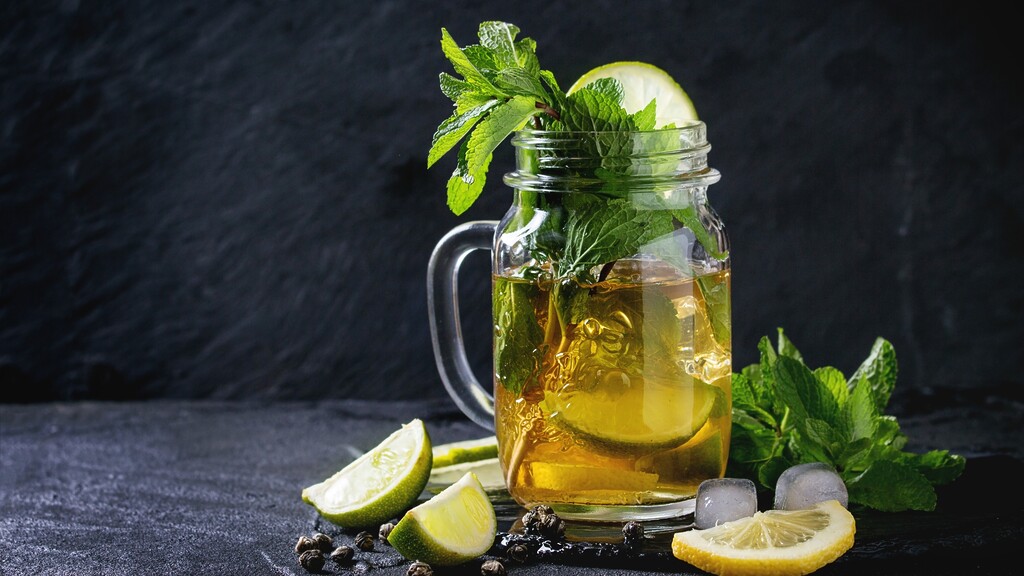
Do not worry about brewing it at the perfect temperature. I just pour it over ice with a thick squeeze of lemon for a cold afternoon lift. If you prefer matcha, you get similar catechin benefits in a more concentrated form.
3. Lentils
Iron deficiency can be one quiet reason many women feel sluggish by noon. Your thyroid uses iron as a part of normal hormone production, and lentils are loaded with it. They also pack enough fiber to keep your digestive system working hard.
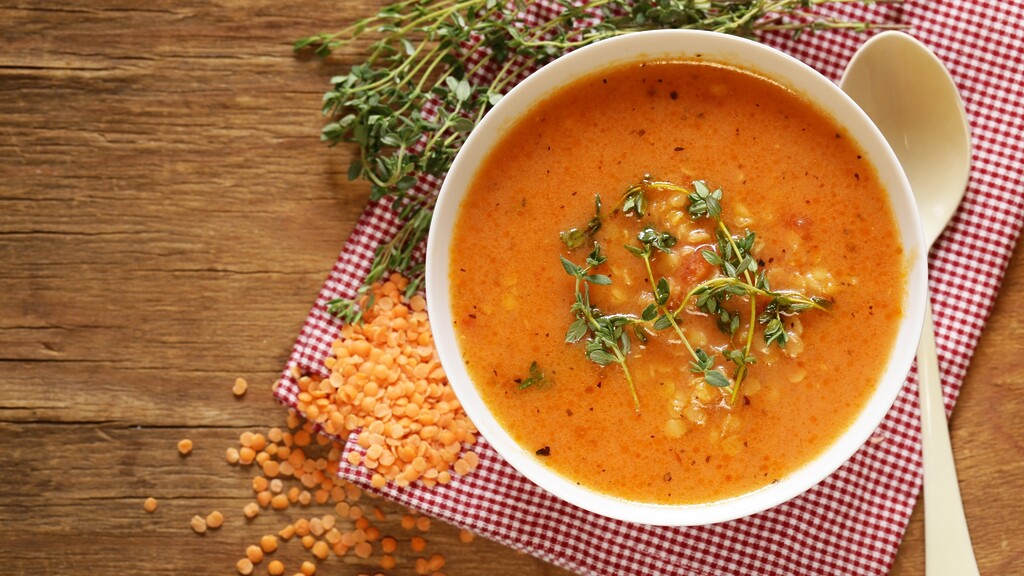
You do not have to soak dry beans for hours. Look for the vacuum-sealed, pre-steamed lentils in the produce aisle. They are ready to toss straight into a vinaigrette or a quick weeknight soup, and an opened package will keep in your fridge for three to four days.
4. Ginger
Ginger may slightly increase the thermic effect of food. That mild bump makes it a helpful food for metabolism, while also helping settle your stomach after a heavy meal.
Buy a rough knob of fresh ginger, peel it with the edge of a metal spoon, and keep it in the freezer. It grates perfectly from frozen directly into a hot pan or a mug of hot water. A rough teaspoon is plenty for one cup of tea.

5. Chili Peppers
You do not have to burn your mouth to get the benefits here. The capsaicin in peppers gives them their heat and temporarily ramps up your energy expenditure.
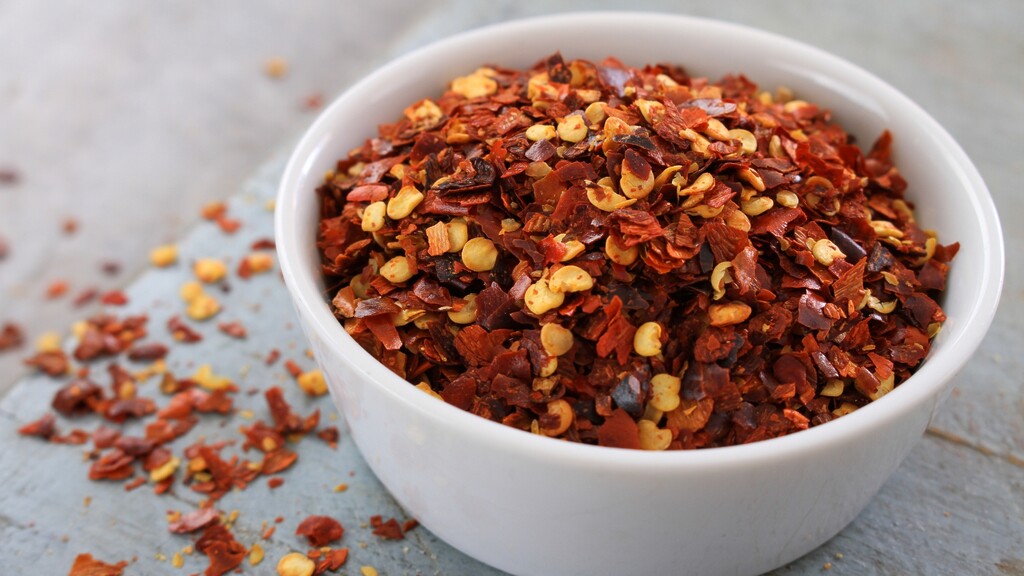
Keep a small jar of crushed red pepper flakes right next to your stove. A quick pinch over roasted vegetables, pizza, or a piece of fish is enough to do the job without overwhelming the dish.
6. Plain Greek Yogurt
Dairy gets a mixed reputation, but plain Greek yogurt delivers a heavy dose of both protein and probiotics. A healthy microbiome is closely tied to how efficiently your body processes food and extracts nutrients.
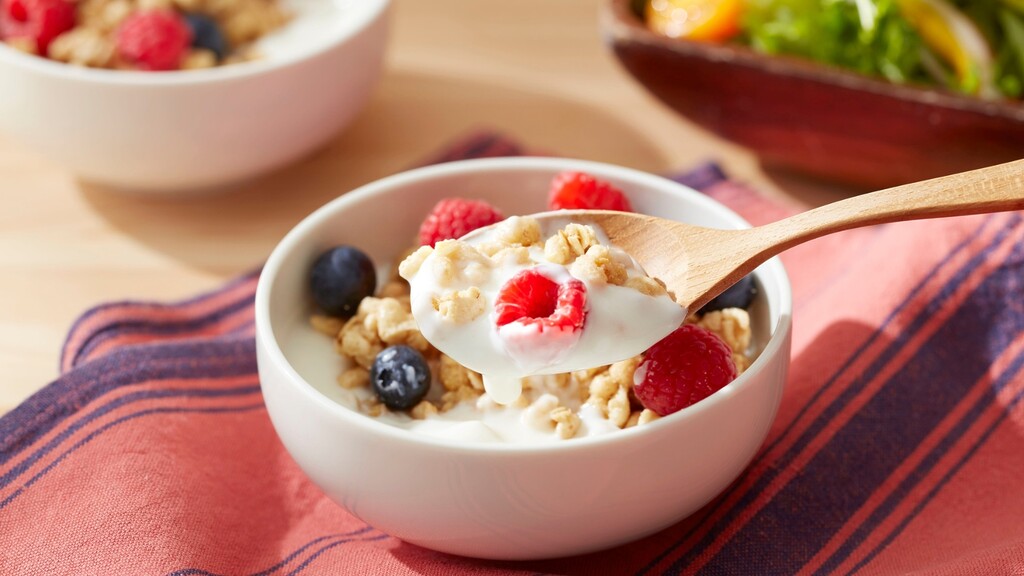
Skip the flavored versions. They are usually just sugar traps that defeat the purpose. Instead, use the plain, full-fat version exactly like sour cream on your next taco night.
7. Almonds
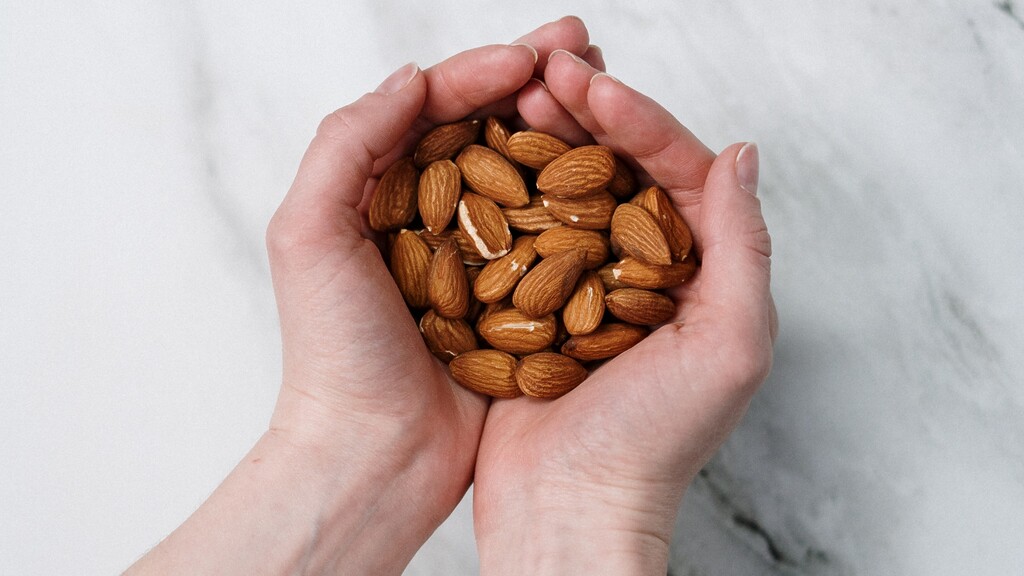
Nuts used to be dismissed as just heavy calories. Now we know the specific structure of the fats in almonds means you actually do not absorb every single calorie you eat. They can also help soften the blood sugar rise when you eat them with a meal, which supports steadier energy.
Portion control is the only catch. Keep a one-ounce metal coffee scoop in your pantry jar so you never have to guess what a serving looks like. If you do not have a designated scoop, one ounce is roughly a quarter cup or about 23 whole almonds.
Start Small
Building a better metabolism is not about eating perfectly or overhauling your entire kitchen in a weekend. It is about giving your body the right baseline materials to do its job. Pick two things from this list for your next grocery run, and start there.
Sources
- What You Need to Know About Egg Safety – FDA, 2024.
- Catechin Rich Teas, Caffeine, and Energy Expenditure – Obesity Reviews, 2011.
- Iron Deficiency and Thyroid Function – Nutrients, 2023.
- Ginger and the Thermic Effect of Food – Metabolism, 2012.
- Almonds and Postprandial Glycemia – Metabolism, 2011.
- Factors Affecting Energy Expenditure and Requirements – National Academies Press, 2023.
- Capsaicinoids and Thermogenesis – Phytotherapy Research, 2021.
- Metabolizable Energy of Almonds – Food & Function, 2016.
- Save for Later1.7K




12 Responses
This article is interesting, but I’m a vegetarian. Can I still boost my metabolism with a plant-based diet? Most of the protein sources listed are animal products. Are there enough vegetarian-friendly options to make a difference? Also, is it really necessary to eat spicy foods? Because I really can’t handle the heat.
Hi Sarah, thanks for your comment! Absolutely, you can definitely boost your metabolism on a plant-based diet. While the article highlights lean meats, there are plenty of excellent vegetarian protein sources. Legumes like lentils, beans, and chickpeas are packed with protein and fiber, which are both great for your metabolism. You can also incorporate tofu, tempeh, edamame, quinoa, and nuts and seeds into your meals. Regarding spices, they can offer a slight metabolic boost, but they’re not essential. If you’re sensitive to spicy food, don’t worry! Focus on the other superfoods listed, like green tea, coffee (in moderation), whole grains, and staying well-hydrated with water and water-rich fruits and vegetables. The most important thing is to eat a balanced diet rich in whole, unprocessed plant-based foods.
I’ve heard that drinking too much coffee can be bad for you. How much coffee is considered “moderate,” and are there any potential downsides to relying on caffeine for a metabolic boost? Also, can drinking too much water be harmful? I want to make sure I am staying hydrated without overdoing it.
Hi Jessica, that’s a great point. While coffee can offer a temporary metabolic boost, it’s important to consume it in moderation. Most health experts recommend limiting your caffeine intake to around 400 milligrams per day, which is roughly equivalent to four 8-ounce cups of brewed coffee. However, individual tolerance varies, and some people may be more sensitive to caffeine than others. Overconsumption of caffeine can lead to side effects like anxiety, insomnia, and digestive issues. It’s also important to listen to your body and adjust your intake accordingly. As for water, while it is important to stay hydrated, it is possible to drink too much water. Drinking too much water can lead to a condition called hyponatremia, which is when the sodium levels in your blood become too low. Symptoms of hyponatremia can include nausea, headache, confusion, and fatigue. In severe cases, hyponatremia can be life-threatening. It is important to listen to your body’s thirst cues and drink water when you feel thirsty. You should also avoid drinking large amounts of water in a short period of time. If you are concerned about your water intake, talk to your doctor.
Okay, this all sounds great in theory, but I’m pretty sure my metabolism is slower than a snail in a molasses factory. I swear I gain weight just looking at a donut. Is there really hope for me? Also, “thermogenesis” sounds like something out of a sci-fi movie. Can you explain that in, like, normal human terms? And are we talking, like, ghost pepper levels of spicy for those spices to work, or can I still enjoy my food without crying?
Tiffany, I totally feel you on the slow metabolism struggle! It can be super frustrating. But trust me, there’s definitely hope! Think of your metabolism as a little engine that needs the right fuel to run efficiently. These superfoods can help rev it up, even if it’s currently running on fumes. Now, about “thermogenesis” – it’s basically your body’s way of creating heat. Certain foods, like those spices we talked about, can slightly increase this heat production, which means you burn a few extra calories. It’s like a tiny little furnace inside you! And don’t worry, you don’t need to set your mouth on fire to get the benefits. Even a little bit of chili, ginger, or turmeric can help. Start small and see how you go. Every little bit counts!
I’m all about this healthy lifestyle, but I’m also a major snacker. Are there any of these superfoods that work as good snack options? I’m also a bit skeptical about the coffee thing. Won’t that just make me jittery and mess with my sleep? I need my beauty rest to keep this metabolism happy, right?
Sarah, fellow snacker here, so I understand the struggle! The good news is, many of these superfoods are perfect for snacking. Hard-boiled eggs are a great protein-packed option, or you could have a handful of almonds (packed with healthy fats and protein!). Sliced apple with a sprinkle of cinnamon is another tasty choice. As for coffee, moderation is key. A cup in the morning can give your metabolism a little boost without necessarily impacting your sleep, and studies show that it actually promotes fat loss. Just avoid it too late in the day. And you’re absolutely right – sleep is crucial for a healthy metabolism, so prioritizing your beauty rest is a smart move! Maybe try some green tea in the afternoon instead? It has a gentler caffeine kick and those awesome EGCG compounds.
Okay, I’m intrigued! I’ve been trying to lose these last 10 pounds forever, and maybe my metabolism is just sluggish. I love the idea of spicing things up (literally!) to boost it. But how much chili pepper are we talking here? I can handle some heat, but I don’t want to be breathing fire all day! Also, does the green tea have to be hot, or can I make a big batch of iced green tea? Asking for a friend who lives in Arizona and needs to stay cool… 😉
Hey Grace, thanks for the great questions! I totally get the struggle with those stubborn pounds. Regarding the chili peppers, start small and see how you tolerate the heat. A sprinkle of red pepper flakes or a dash of your favorite hot sauce can go a long way. You definitely don’t need to turn into a fire-breathing dragon! And good news for your Arizona friend – iced green tea is just as effective! The key is the EGCG, which is present whether the tea is hot or cold. Just make sure you’re not loading it up with sugar, or that will defeat the purpose. Keep me posted on your progress!
This is a really informative article! I knew protein was important, but I didn’t realize just how much it impacted metabolism. I’m a vegetarian, so I’m always looking for good plant-based protein sources. You mentioned legumes, but what about things like tofu and tempeh? Also, is there such a thing as eating TOO much protein? I don’t want to overdo it, but I do want to see results!
Hi Lily, I’m glad you found the article helpful! You’re right; it’s amazing how much protein impacts our metabolic rate. As a vegetarian, you’re on the right track with legumes. Tofu and tempeh are also excellent sources of plant-based protein and can definitely contribute to a healthy metabolism. They’re also complete protein sources, containing all the essential amino acids. As for eating too much protein, it’s generally not a concern if you’re getting it from whole food sources, it can cause issues if you consume too much protein from processed foods such as protein shakes, always stick to natural protein sources. However, it’s always a good idea to listen to your body and adjust your intake accordingly. Aim for a balanced approach, and you should be good! Thanks for the comment!