

Most of us treat our energy levels like a math problem we are failing. We push through fatigue, ignore cravings, and expect to feel exactly the same on day twenty-six as we do on day nine. It rarely works. Learning how to use hormone balancing foods changed how I function entirely, turning a frustrating monthly crash into a predictable rhythm I can actually manage.
Jump to the phase-by-phase food guide
The Baseline: Blood Sugar and Your Cycle
Before you worry about which seed to eat on which day, you have to look at your metabolic baseline. When I was doing the research to get my own blood sugar under control, I realized how deeply insulin impacts female sex hormones. You cannot balance your cycle if you are on a glucose roller coaster. Repeated blood sugar spikes can push insulin higher, and when insulin stays high, especially if you are insulin resistant, it can encourage your ovaries to make more testosterone and interfere with regular ovulation.
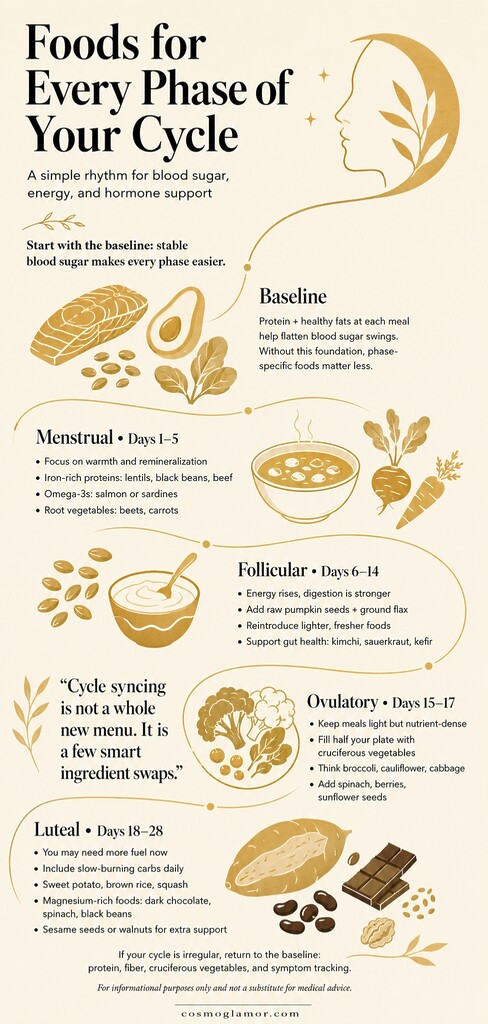
Focus on protein and healthy fats at every meal to keep your blood sugar flat. A cycle syncing diet only works when it sits on top of a stable metabolic foundation. If you skip breakfast and run on coffee until 2:00 PM, no amount of organic flaxseed will save your afternoon energy.
Phase 1: The Menstrual Phase (Days 1–5)
Your cycle begins on the first day of bleeding. Estrogen and progesterone drop to their lowest levels, which is why your energy often hits rock bottom. Your body is working hard to shed the uterine lining, an inflammatory process that requires significant energy and nutrient reserves.
This is the time to prioritize warmth, comfort, and remineralization. Cold salads and raw smoothies will often leave you feeling bloated and tired right now.
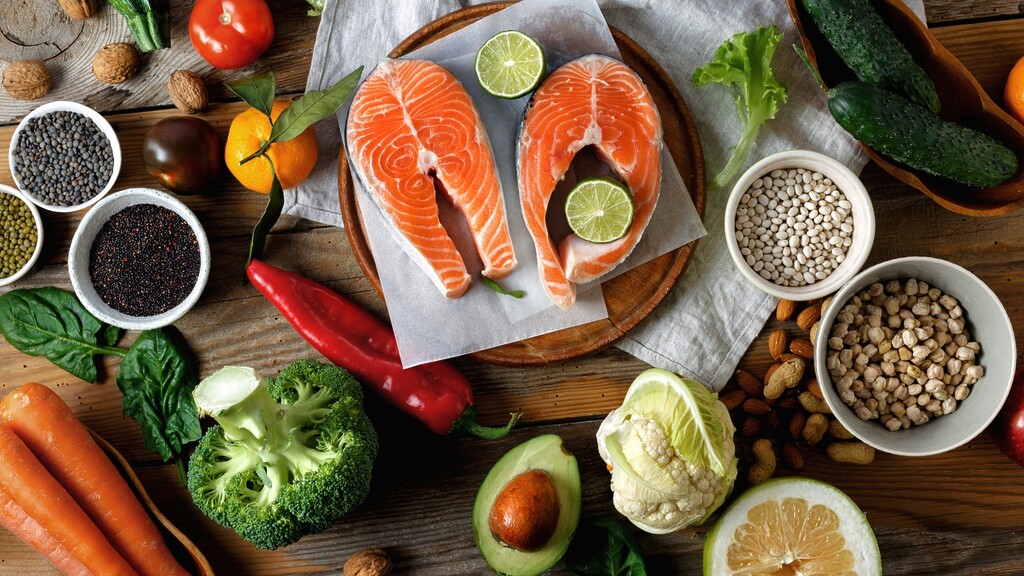
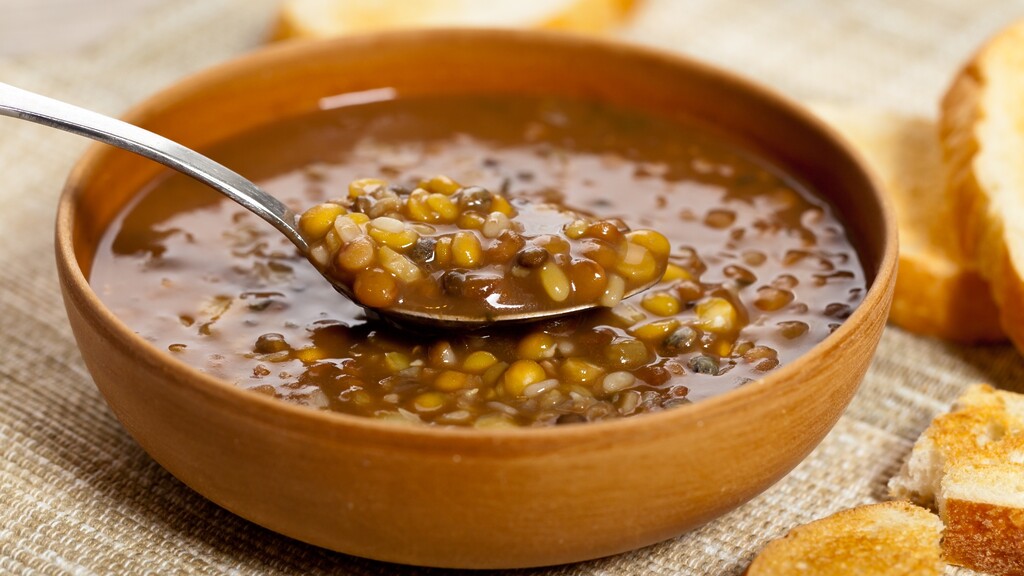
- Eat iron-rich proteins like a 4-ounce serving of grass-fed beef, or a full cup of cooked lentils or black beans. Pair them with a squeeze of lemon or bell peppers, since vitamin C enhances how much nonheme iron your body actually absorbs.
- Load up on anti-inflammatory fats like wild-caught salmon and sardines for omega-3 fats during cramp-prone days. Aim for at least two servings of fatty fish during these five days.
- Include mineral-heavy root vegetables like beets and carrots, roasted or thrown into a warm stew.
Phase 2: The Follicular Phase (Days 6–14)
As bleeding stops, your pituitary gland releases follicle-stimulating hormone. Estrogen begins to rise, and your energy naturally lifts with it. Your digestion is typically strongest during this window, making it the perfect time to reintroduce lighter, raw, and vibrant foods.
Your goal here is to support healthy estrogen production while giving your body the fresh energy it craves.
Add 1 to 2 tablespoons of raw pumpkin seeds and ground flaxseed to your yogurt or oatmeal daily. Pumpkin seeds are dense in zinc, a mineral that helps your body produce healthy, mature follicles in preparation for ovulation. The flaxseed provides lignans, though the evidence on flaxseed and sex hormones is still limited. Always buy flax pre-ground or grind it yourself; whole flaxseeds pass right through your digestive tract unbroken.
This is also the phase to lean into foods for menstrual cycle phases that support gut health. Your gut microbiome appears to play a role in estrogen metabolism. Add about two tablespoons of raw kimchi, sauerkraut, or half a cup of high-quality kefir to your lunch to keep your digestion moving efficiently.
Phase 3: The Ovulatory Phase (Days 15–17)
Ovulation is the shortest phase, lasting only a few days. Estrogen reaches its absolute peak, and testosterone gets a brief surge. You might feel more social, more energetic, and less hungry than usual.
Because estrogen is so high, your liver has to work overtime to break it down and clear it out. If your liver cannot keep up, estrogen recirculates, leading to the breast tenderness and mood swings that hit hard in the following week.
Fill half your plate with lightly steamed cruciferous vegetables like broccoli, cauliflower, Brussels sprouts, or cabbage. These vegetables contain compounds that can form DIM, which may support enzymes involved in estrogen metabolism. Steaming them lightly for about five minutes keeps them tender without boiling them to death.
Keep your meals light but nutrient-dense. Think quinoa salads with raw spinach, berries, and 1 to 2 tablespoons of raw sunflower seeds to continue supporting healthy hormone levels.
Phase 4: The Luteal Phase (Days 18–28)
Following ovulation, the empty follicle turns into the corpus luteum and begins pumping out progesterone. Progesterone is your calming hormone, and during the luteal phase, your basal body temperature rises and your metabolic rate may tick up slightly. You are literally burning a little more energy right now.
This is why you want to eat everything in sight. Your body genuinely needs more fuel. If you restrict carbohydrates now, your blood sugar will drop, cortisol will spike, and you will end up raiding the pantry for processed sugar at nine o'clock at night.
Cycle syncing is not about cooking a completely different menu every week. It is about rotating a few strategic ingredients to match the metabolic work your body is already doing.
To support this shift with luteal phase foods, you need slow-burning carbohydrates and targeted minerals.
- Eat a half-cup of complex carbs every single day to keep your blood sugar steady. Baked sweet potatoes, brown rice, and butternut squash are perfect. They give you the steady energy you are craving without the subsequent crash.
- Prioritize magnesium-rich foods as a food-first way to support PMS-prone weeks. A one-ounce square of dark chocolate (at least 70 percent cacao), a cup of cooked spinach, and black beans are excellent sources.
- Swap your usual almonds for 1 to 2 tablespoons of raw sesame seeds or a handful of walnuts. Both give your body extra vitamin B6 and essential fatty acids during a phase when cravings and mood shifts can feel louder.
Common Questions About Eating for Your Cycle
Do the seeds need to be raw?
Usually, raw is best. If you are using pumpkin, flax, sunflower, or sesame seeds for hormone balance (often called seed cycling), roasting them at high heat can oxidize some of the delicate fats you are trying to consume. Buy them raw. Store them in the refrigerator to keep the oils from going rancid, especially once the flax is ground.
Do I have to cook completely different meals every week?
No. Trying to overhaul your entire meal plan four times a month is exhausting and usually leads to giving up. Instead of changing the whole meal, just change the accents. If you make a chicken and rice bowl every Tuesday, simply swap the toppings. Use a tablespoon of pumpkin seeds and raw spinach during your follicular phase, and switch to roasted sweet potatoes and sesame seeds during your luteal phase. The base of your diet remains the same.
What if my cycle is irregular?
If you have an irregular cycle, or if you do not get a period at all, tracking phases by the calendar will only frustrate you. Instead, focus entirely on the baseline: stabilizing your blood sugar and getting enough fiber. Eat a protein-heavy breakfast, include cruciferous vegetables daily, and track your symptoms. Once your metabolic health stabilizes, your cycle may begin to regulate itself, but missing or very irregular periods are worth discussing with a clinician.
Start with One Phase
You do not need to memorize a massive list of foods for hormone balance today. Look at the calendar, figure out roughly where you are in your cycle right now, and pick two ingredients from that phase to add to your grocery list this week. When you pay attention to what your body is actually asking for, feeding yourself stops feeling like a chore and starts feeling like an advantage.
Sources
- Insulin resistance in PCOS phenotypes – Scientific Reports, 2025.
- Iron fact sheet for health professionals – NIH Office of Dietary Supplements, 2025.
- Flaxseed supplementation and sex hormones – Frontiers in Nutrition, 2023.
- Indole-3-carbinol and DIM – Linus Pauling Institute, Oregon State University, 2017.
- Menstrual cycle and resting metabolic rate – PLOS ONE, 2020.
- Dietary intake and PMS severity – Journal of Eating Disorders, 2025.
- Lipid oxidation in food science – Oil Crop Science, 2023.
- When to worry about missing your period – UT Southwestern Medical Center, 2024.