

We are conditioned to link bone health to a cold glass of milk. But when you step away from the dairy aisle, building a strong skeleton becomes a lot more interesting. Whether you are managing an intolerance, adjusting your diet for health reasons, or just expanding your palate, finding calcium rich foods without dairy is easier than you might think.
Plants, seeds, and beans are quiet powerhouses. You just need to know which ones to grab and how to put them to work in a real kitchen.
Jump to the 25 dairy-free foods
The Absorption Factor
Eating a plant does not mean you absorb everything inside it. This is the biggest trap in plant based calcium foods.
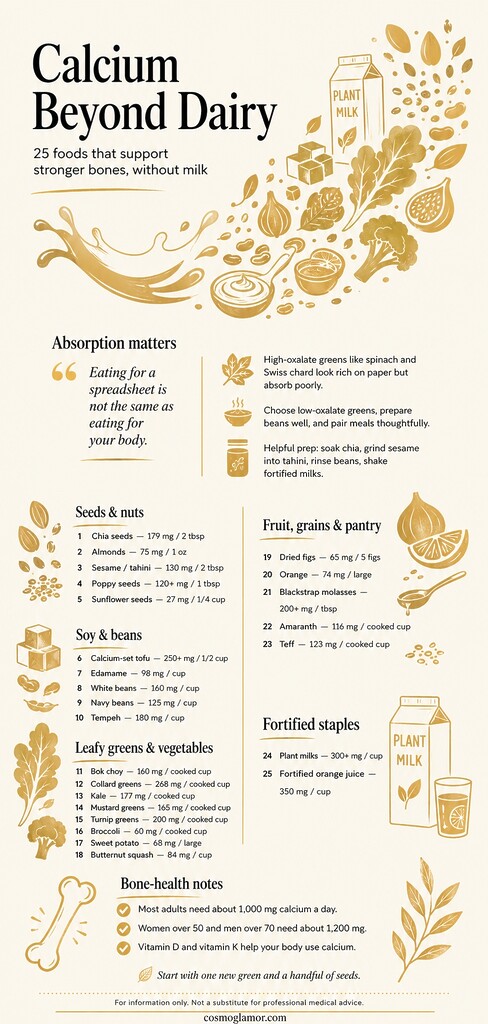
Many popular greens, like spinach and Swiss chard, are packed with calcium on paper. But they also contain high levels of oxalates. Oxalates are natural compounds that bind to minerals and block your digestive system from actually using them. You can eat a massive bowl of spinach, and your body will only access a tiny fraction of the calcium it holds.
Eating for a spreadsheet is not the same as eating for your body. The numbers only matter if you can absorb them.
To get the most out of non dairy calcium sources, you want to focus on foods with high bioavailability. That means prioritizing low-oxalate greens, properly preparing your beans, and pairing your meals thoughtfully.
The 25 Best Dairy-Free Calcium Sources
These foods are grouped by category so you can easily map them to your grocery list. All amounts are approximate, as soil quality and preparation methods change the final numbers.
1. Chia Seeds
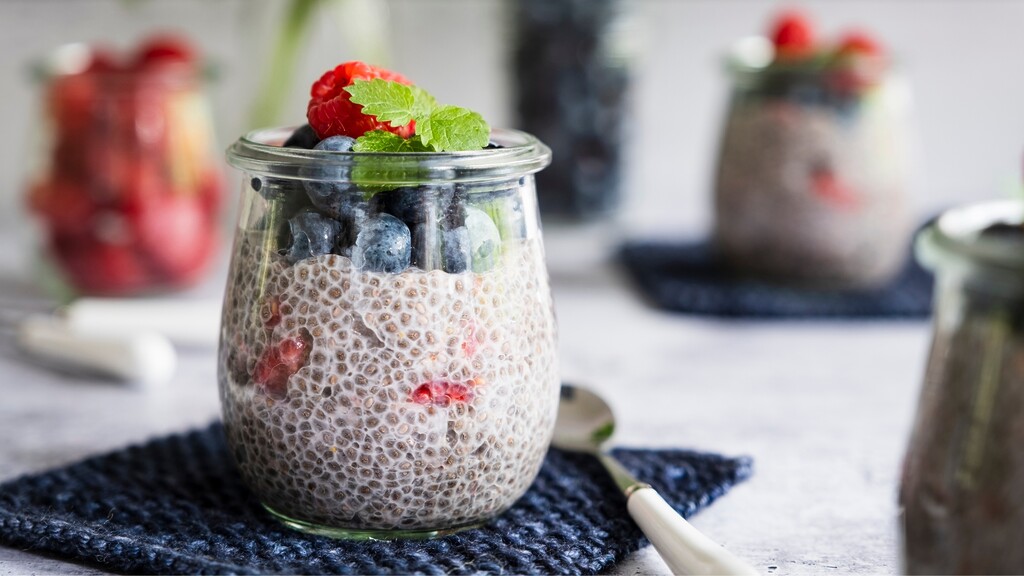
Two tablespoons of chia seeds deliver roughly 179 milligrams of calcium. Soak them in liquid for ten minutes before eating. The gelatinous coating that forms makes them much easier to digest and helps your body access the minerals trapped inside.
2. Almonds
Almonds are one of the heaviest hitters in the nut family for bone health. A standard handful (about an ounce) gives you roughly 75 milligrams. Keep them raw or dry-roasted, and skip the heavy sugary glazes.
3. Sesame Seeds
Eating whole sesame seeds works, but turning them into a paste is better. Use tahini instead of peanut butter in your dressings or dips. Grinding the seeds breaks down their tough outer hulls, freeing up the nearly 130 milligrams of calcium found in just two tablespoons.
4. Poppy Seeds
They are tiny, but just one tablespoon holds over 120 milligrams of calcium. Toss them into oatmeal, blend them into smoothies, or mix them into a simple vinaigrette.
5. Calcium-Set Tofu
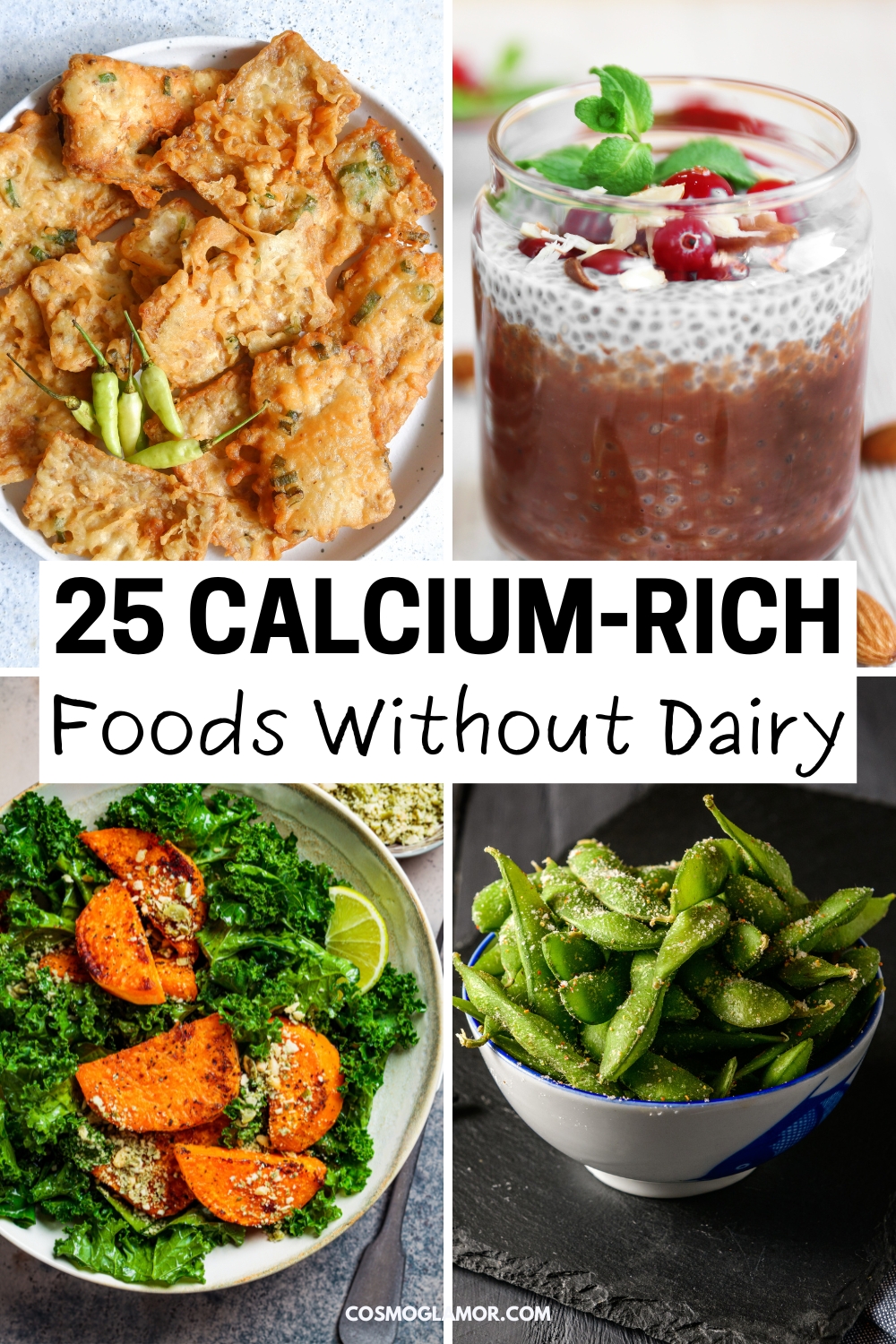
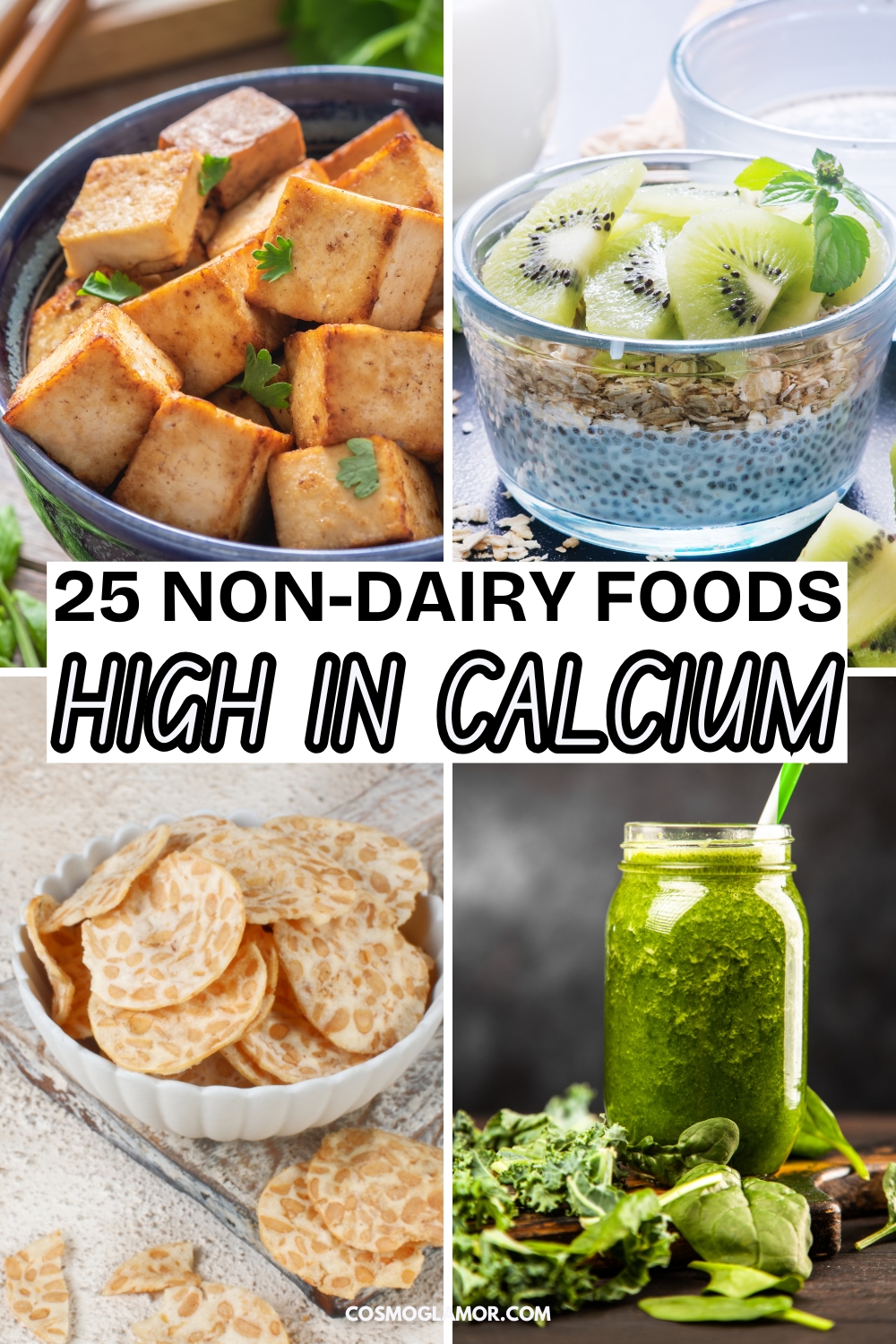
This is a major staple for a calcium foods for dairy free diet. Check the ingredient label and look for calcium sulfate. If it is prepared this way, a half-cup serving can provide over 250 milligrams. Firm tofu holds its shape best for sheet pan dinners.
6. Edamame
One cup of these young soybeans yields about 98 milligrams of calcium. They are a high-protein, low-effort snack you can keep in the freezer and microwave in two minutes.
7. White Beans
A single cup of cooked white beans brings in about 160 milligrams of calcium. Rinse canned beans thoroughly under cold water. This washes away excess sodium and removes some of the starches that cause bloating.
8. Navy Beans
Slightly smaller than standard white beans, navy beans pack roughly 125 milligrams per cup. They break down beautifully in stews and naturally thicken the broth as they simmer.
9. Tempeh
Made from fermented soybeans, tempeh is easier on the gut than standard soy. A one-cup serving provides around 180 milligrams of calcium, plus the dense, nutty bite that makes it so filling.
10. Bok Choy
This is your low-oxalate champion. One cup of cooked bok choy offers about 160 milligrams of calcium, and your body can absorb over half of it. That is an incredibly high retention rate for a plant.
11. Collard Greens
Boiling a cup of collard greens nets you a massive 268 milligrams of calcium. Cook them low and slow with a splash of apple cider vinegar to cut their natural bitterness.
12. Kale
A cup of cooked kale delivers roughly 177 milligrams. Massage raw kale with a little olive oil before eating it in a salad. The massage softens the tough structure, making the leaves tender and far easier to chew.
13. Mustard Greens
Sharp and peppery, one cooked cup provides about 165 milligrams. They cook down quickly, so buy twice as much as you think you need.
14. Turnip Greens
Often thrown away, the leafy tops of turnips hold nearly 200 milligrams of calcium per cooked cup. Sauté them exactly like you would spinach.
15. Broccoli
You get roughly 60 milligrams per cooked cup. Lightly steam your broccoli rather than boiling it to a pulp. This softens the tough cell walls just enough to release the nutrients without washing the calcium down the drain.
16. Dried Figs
Five dried figs give you around 65 milligrams of calcium. They are dense in natural sugars, so treat them as a pre-workout energy source or a small sweet finish to a meal.
17. Oranges
One large orange contains about 74 milligrams of calcium naturally, alongside the vitamin C your body needs to maintain collagen in your bones.
18. Sweet Potatoes
One large sweet potato holds roughly 68 milligrams of calcium. Leave the skin on when you bake them; that is where the highest concentration of minerals lives.
19. Butternut Squash
A cup of cooked butternut squash provides about 84 milligrams. Roast it with a little salt and olive oil to bring out the natural sweetness.
20. Blackstrap Molasses
This is the dark, nutrient-dense byproduct of refining sugar. Just one tablespoon contains over 200 milligrams of calcium. Stir a spoonful into your morning oatmeal or use it to deepen the flavor of homemade baked beans.
21. Amaranth
An ancient grain that cooks up like a hearty porridge. One cooked cup holds about 116 milligrams of calcium. It has an earthy, slightly nutty flavor that takes well to cinnamon.
22. Teff
Most famous for making Ethiopian injera bread, this tiny grain packs a massive 123 milligrams of calcium per cooked cup.
23. Fortified Plant Milks
Oat, almond, and soy milks do not naturally contain much calcium. However, producers fortify them, often pushing the calcium content to 300 milligrams or more per cup. Always shake the carton well before pouring. The added calcium is heavy and can settle at the bottom.
24. Fortified Orange Juice
Like plant milks, fortified orange juice can offer up to 350 milligrams per cup. It is a highly effective delivery system, but keep an eye on the sugar content if you are monitoring your blood glucose.
25. Sunflower Seeds
A realistic quarter-cup serving of shelled kernels gives you about 27 milligrams. While lower than some greens, they are cheap, shelf-stable, and add an excellent crunch to salads that otherwise feel a little flat.
Dairy-Free Calcium FAQ

Is eating calcium enough to build bone?
Calcium does not work alone. Your body relies on Vitamin D to pull calcium from your gut into your bloodstream, and it needs vitamin K-dependent proteins to help regulate bone mineralization. Focusing solely on calcium foods while ignoring your Vitamin D levels is a common mistake that leaves your skeleton undernourished.
Do I need to take a calcium supplement?
That depends entirely on what your daily meals look like. If you are consistently eating fortified foods, beans, and low-oxalate greens, you may hit your targets naturally. If your diet is limited or you have a history of bone density issues, a supplement might bridge the gap. Have your doctor review your diet, medications, and bone-density history before blindly adding a high-dose pill to your routine.
How much calcium do I actually need every day?
For most adults, the target is roughly 1,000 milligrams a day, bumping up to 1,200 milligrams for women over 50 and men over 70. You do not need to hit it perfectly every single day, but your weekly average should hover around that mark.
Does caffeine ruin my calcium absorption?
Caffeine can slightly reduce net calcium absorption, but the effect is small. If you are eating a balanced diet rich in dairy free calcium foods, your morning cup of coffee is not going to break your bones.
You do not have to overhaul your entire pantry tonight; just start by adding one new green to your skillet and a handful of seeds to your morning bowl.
Sources
- Calcium Health Professional Fact Sheet – NIH Office of Dietary Supplements, 2025.
- Absorbability of Calcium from Brassica Vegetables – Journal of Food Science, 1993.
- Calcium and Vitamin D – Bone Health & Osteoporosis Foundation.
- Vitamin K Health Professional Fact Sheet – NIH Office of Dietary Supplements, 2021.
- Calcium Supplements: When Should They Be Taken? – Mayo Clinic, 2025.
- Vitamin D Health Professional Fact Sheet – NIH Office of Dietary Supplements, 2025.