




When I first tried baking after my Type 2 diabetes diagnosis, my kitchen turned into a graveyard of dry, flat, weirdly cold-tasting muffins. Baking is pure chemistry. When you strip out traditional sugar and wheat flour, the chemical reactions that create soft crumbs and golden crusts break down. But you do not have to give up a warm Sunday morning pastry to keep your blood sugar stable. You just need to know how to rebuild the recipe.
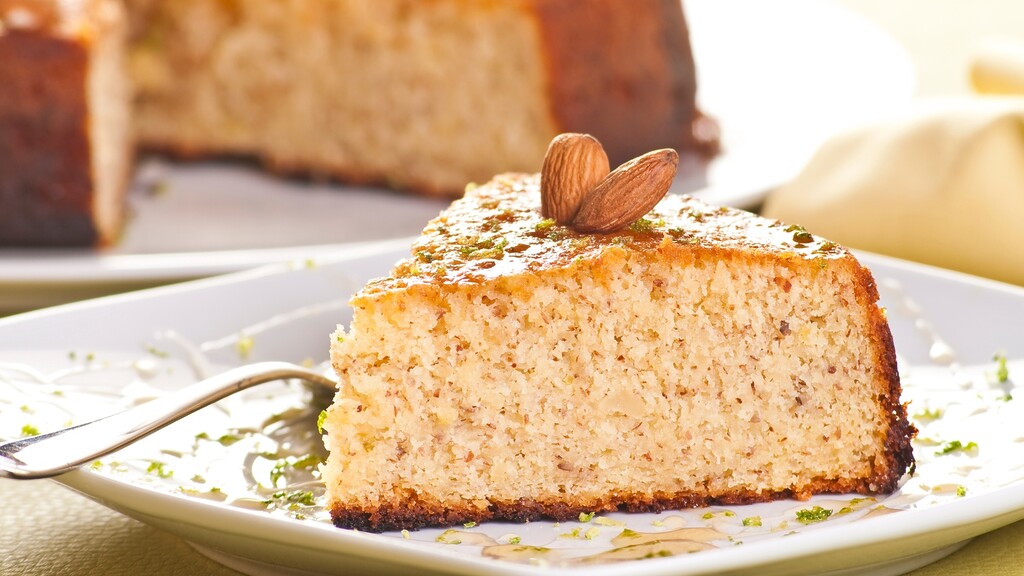
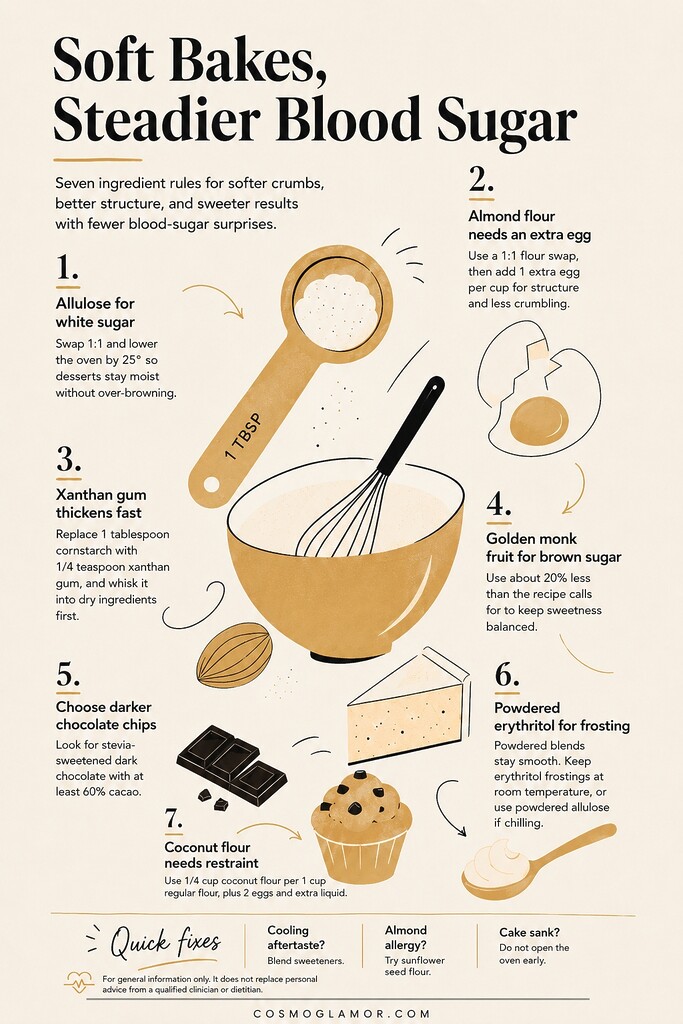
1. Swap Granulated Sugar for Allulose to Keep Desserts Soft
Regular sugar does a lot more than make a cake sweet. It locks in moisture and caramelizes under heat, which is why early sugar substitutes left baked goods looking pale and tasting like sweet cardboard. Allulose changes this entirely.
Because it is a rare sugar that our bodies absorb but barely metabolize, it melts, browns, and retains moisture almost exactly like the real thing. It is my absolute favorite sugar substitute for baking diabetics because it prevents your cookies from turning into bricks the next day.
Use allulose in a one-to-one ratio for white sugar, but drop your oven temperature by 25 degrees. It browns slightly faster than traditional sugar, and a slightly cooler oven prevents the edges from burning before the center bakes.
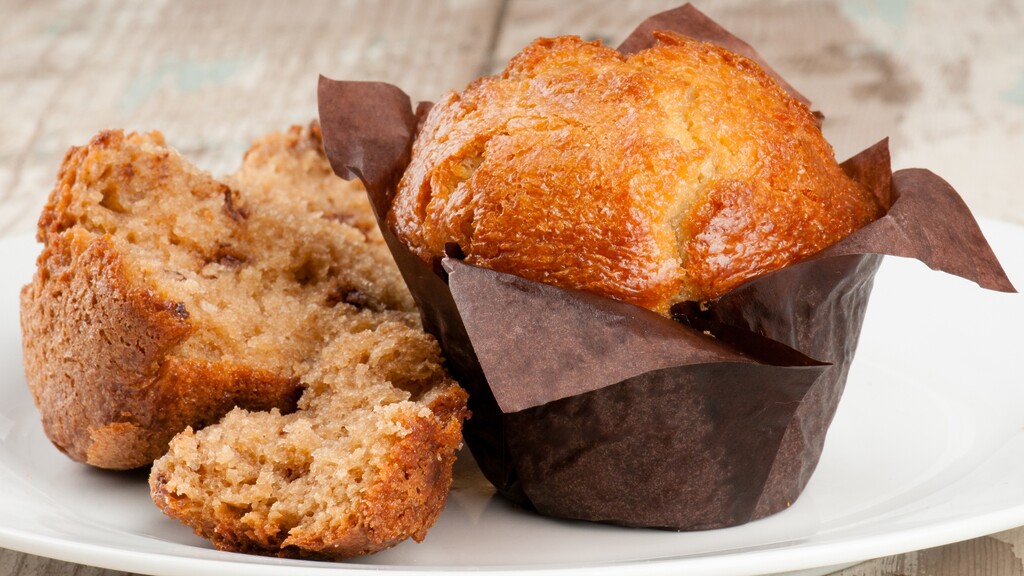
2. Replace All-Purpose Flour with Blanched Almond Flour and an Extra Egg
White flour provides the structural backbone for almost every classic dessert. Blanched almond flour is the most reliable low-carb baking ingredient to take its place, bringing a mild buttery flavor and healthy fats that can help slow the post-meal glucose rise.
You can use almond flour as a direct one-to-one volume swap for all-purpose flour, but it lacks gluten. Gluten is the specific protein that acts like glue, giving traditional dough its stretchy, cohesive structure. Without it, low-carb baked goods tend to crumble the second you pick them up.
To fix the crumb, add one extra egg to your recipe for every cup of almond flour you use. The extra protein and fat in the egg bind the almond flour particles together, giving your bread or cookie the structure it needs to hold its shape.
3. Trade Cornstarch for Xanthan Gum to Thicken Fillings
If you are making a lemon curd, a fruit pie filling, or a thick glaze, traditional recipes always call for a spoonful of cornstarch. Cornstarch is pure carbohydrate and digests rapidly, which is not ideal for blood sugar management.
Xanthan gum does the exact same job without the carbs. It is a soluble fiber that traps liquid instantly, creating a thick, glossy gel. It is incredibly potent, which means a little goes a very long way.
Replace one tablespoon of cornstarch with just a quarter teaspoon of xanthan gum. Always whisk the xanthan gum into a dry ingredient first, like your sweetener, before adding it to your wet mixture. If you drop it directly into a liquid, it will instantly form a rubbery clump that no amount of whisking will dissolve.
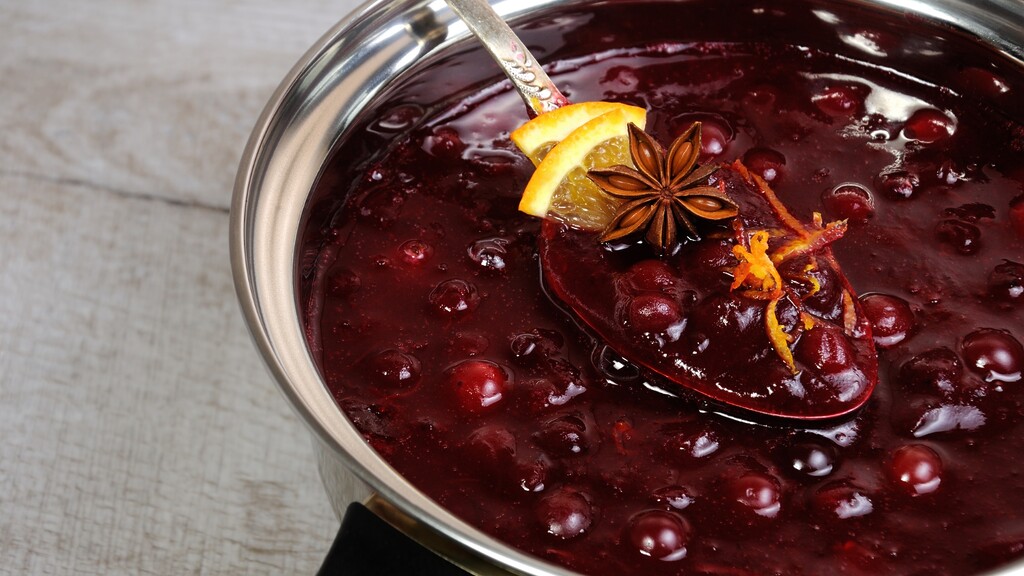
4. Use Golden Monk Fruit Blend Instead of Brown Sugar
Classic brown sugar is just white sugar coated in a layer of molasses. It adds a deep caramel flavor and a chewy texture to cookies and blondies. When I was working to get my A1C down to 6.1 percent, this was the hardest flavor profile to replicate.
Golden monk fruit and erythritol blends are designed specifically for this purpose. They contain a touch of natural flavoring that mimics molasses beautifully.
Most commercial brands of golden sweetener are aggressively sweet. Cut the requested amount of brown sugar by 20 percent when using a golden sweetener substitute. If a recipe asks for a cup of brown sugar, use three-quarters of a cup of the golden blend. You will get all the rich flavor without an overwhelming, artificial sweetness.
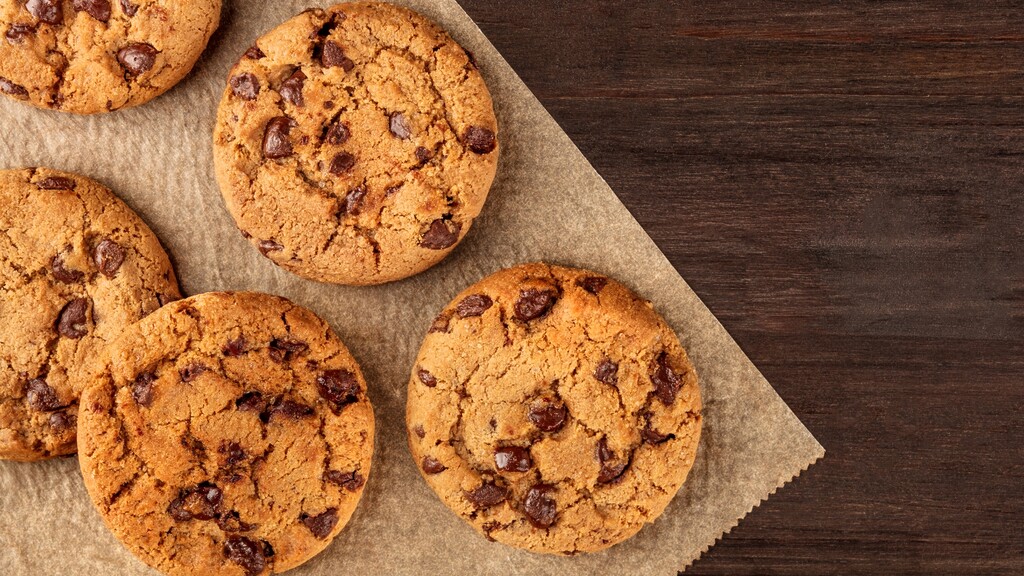
5. Swap Standard Chocolate Chips for Stevia-Sweetened Dark Chocolate
Milk chocolate chips are loaded with added sugars that will ruin the metabolic profile of an otherwise perfect diabetic-friendly cookie. You might be tempted to use unsweetened baker's chocolate, but that usually turns a comforting treat into a bitter disappointment.
Modern sugar-free chocolate chips use a blend of cocoa butter, erythritol, and stevia. They melt beautifully in the oven and harden back up as they cool, exactly like conventional chocolate chips do.
Stick to dark chocolate varieties with at least 60 percent cacao. The higher cocoa content provides a richer flavor that masks any slight aftertaste from the alternative sweeteners.
6. Use Powdered Erythritol for Frostings and Glazes
If you try to make a cream cheese frosting using granulated monk fruit or erythritol, you will hear a distinct crunch when you take a bite. Granulated sugar substitutes do not dissolve in cold mixtures the way regular sugar does.
Powdered sugar substitutes are milled into a fine dust. They blend seamlessly into butter, cream cheese, or heavy cream to create silky smooth frostings without the grit. If you only have granulated sweetener in your pantry, pulse it in a high-speed blender for 30 seconds until it turns into a fine powder.
Keep erythritol-based frostings at room temperature until serving. Erythritol crystallizes when cold. If you frost a cake and immediately put it in the fridge, the creamy topping will turn hard and crunchy. If a dessert requires refrigeration, use powdered allulose instead.
7. Sub Coconut Flour for Cake Flour (With Lots of Liquid)
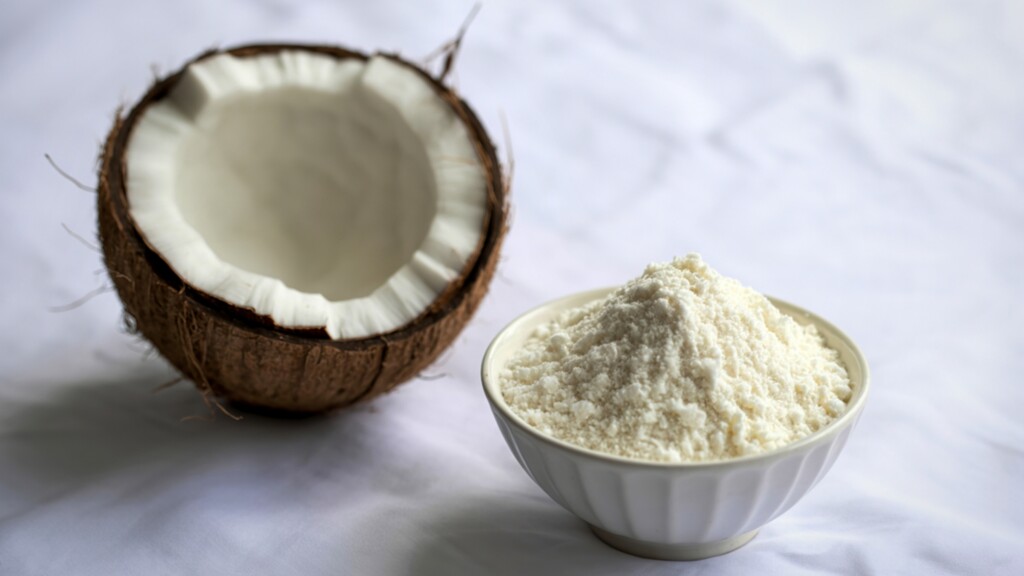
Cake flour is milled very finely to create light, airy sponges. Coconut flour is similarly fine, but it behaves completely differently in a mixing bowl. It is essentially a sponge, soaking up every drop of moisture it touches.
You can never swap coconut flour for regular flour in a one-to-one ratio. If you try, you will pull a dense, dry brick out of your oven.
Baking without traditional sugar and flour is not about accepting a worse dessert. It is about learning a new set of chemistry rules for your kitchen.
Use only one-quarter cup of coconut flour for every full cup of regular flour a recipe requires. For every quarter cup you use, add two large eggs and an extra splash of liquid like almond milk. This restores the moisture balance and lets the coconut flour expand properly without drying out your cake.
Common Questions About Diabetic-Friendly Baking
Why do my low-carb baked goods have a cold aftertaste?
That minty, cooling sensation comes from erythritol, a very common sugar alcohol used in low-carb baking. As it dissolves on your tongue, it literally absorbs heat. To fix this, blend two different sweeteners together. Mixing monk fruit or allulose with erythritol usually cancels out the cooling effect entirely.
Can I swap almond flour for coconut flour if I have an allergy?
Not directly. Because coconut flour absorbs far more liquid than almond flour, you will have to rewrite the entire recipe. If you are allergic to almonds, sunflower seed flour is a much closer one-to-one match for baking.
Why did my low-carb cake sink in the middle?
Alternative flours are heavy, and sugar substitutes do not provide the same structural support as granulated sugar. If your cake collapsed as it cooled, you likely opened the oven door too early, or the recipe needs an extra half teaspoon of baking powder to support the heavier ingredients.
Instead of staring at a bakery window feeling left out, you can pull a tray of perfectly golden, soft cookies out of your own oven. It just takes a little practice with your new ingredients and the willingness to try a different way of doing things.
Sources
- Metabolic Stability of D-Allulose – Foods, 2019.
- Effect of D-Allulose on Cupcake Properties – LWT, 2021.
- Fat, Gastric Emptying, and Glycemic Response – Journal of Clinical Endocrinology & Metabolism, 2006.
- Soluble Dietary Fibers and Glycemic Response – Foods, 2022.
- Thermodynamic Behavior of Erythritol – Thermochimica Acta, 2013.
- Almond and Coconut Flours in Keto Cupcakes – Food Chemistry: X, 2022.
- Allulose and Blood Glucose in Type 2 Diabetes – Metabolism Open, 2024.