
Let's be honest: menopause can feel like a total betrayal. You're dealing with hot flashes, mood swings, and stress levels that are through the roof. And to top it all off, your body seems to be storing fat—especially around the belly—no matter how little you eat or how much you exercise.
If you're nodding along, please know you are not alone. I've had my own battles with stubborn weight and inflammation. I remember that awful feeling of my body fighting me at every turn, and it wasn't until I stopped focusing on just calories and started focusing on inflammation and hormones that things finally changed.
It’s a frustrating cycle. But what if the “eat less, move more” mantra isn't the whole story for this stage of life?
Here's the deal: we need a different approach. That’s why there's so much buzz around the Galveston Diet. It was designed by an OB-GYN specifically to target the hormonal weight gain that comes with menopause. It’s not about starving yourself; it’s about healing your body.
What Is the Galveston Diet, Anyway?
The Galveston Diet isn't just another fad. It was created by Dr. Mary Claire Haver, an OB-GYN who saw her patients (and herself!) struggling with stubborn mid-life weight gain.
She realized that traditional calorie-counting diets weren't working for menopausal women because they failed to address the root causes: hormonal shifts and inflammation.
At its core, the Galveston Diet combines two powerful, science-backed principles:
- An Anti-Inflammatory Diet: This is the heart of the program. It focuses on whole foods that fight inflammation in the body.
- Intermittent Fasting (IF): This involves eating only during a specific window of time each day to help reset your hormones and improve insulin sensitivity.
The goal isn't just weight loss; it's to reduce stress, balance hormones, and get your body working with you again.
Why Traditional Diets Fail During Menopause (And How This is Different)

Have you ever felt like you're doing everything right, but the scale just won't budge? That's the power of hormones.
During menopause and perimenopause, our estrogen levels naturally decline. This shift does more than just trigger hot flashes; it actually changes how our bodies store fat. As estrogen drops, our bodies tend to store more visceral fat—that stubborn, dangerous fat deep in our abdomen. [1][2]
If you feel like this is at the root of your struggles, it's worth understanding what's happening. (I cover this in-depth in my Ultimate Guide to Low Estrogen.)
At the same time, many of us are dealing with high levels of cortisol (the stress hormone). A busy life, poor sleep, and a processed diet all spike cortisol, which practically tells your body to “store belly fat now!” [3]
This is why the Galveston Diet is different. It ignores the old “calories in, calories out” model and instead focuses on:
- Reducing inflammation to lower cortisol and calm your body's stress response. [4]
- Balancing hormones (like insulin) to stop the constant “store fat” signals.
The Core Principles: How the Galveston Diet Works for Menopause
Let's break down the two main pillars and why they work so well for hormonal weight gain.
Pillar 1: Fighting Inflammation to Reduce Stress
Think of inflammation as your body's internal fire alarm. When it's constantly “on” due to stress, poor sleep, or inflammatory foods (like sugar and processed oils), your body stays in high-alert mode. This means high cortisol, which leads directly to that stubborn belly fat and feelings of anxiety.
The Galveston Diet works to put out that fire. By loading up on anti-inflammatory foods, you're essentially telling your body it's safe. Your cortisol levels can come down, your stress eases, and your body can finally let go of that “emergency” fat storage. [4]
Pillar 2: Using Intermittent Fasting for Hormonal Balance
Intermittent Fasting (IF) sounds intimidating, but it's simpler than you think. A common approach is 16:8, where you fast for 16 hours (including sleep) and eat during an 8-hour window.
Why do this? It's a game-changer for insulin sensitivity. Insulin is the hormone that tells your cells to take in sugar for energy. When we're inflamed or eat a lot of carbs/sugar, our cells can become “numb” to insulin, forcing our bodies to pump out even more. This is a fast track to fat storage, especially in a menopausal body. [5]
IF gives your body a break, allowing insulin levels to drop and your cells to “re-sensitize.” [5][7]
If you're new to the idea, don't worry. I've broken it down in my Lazy Girl's Guide to Intermittent Fasting.
What to Eat and What to Avoid (The Galveston Shopping List)
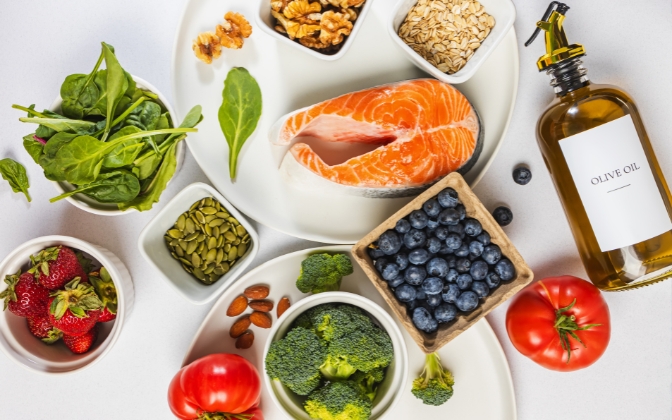
The best part about this plan is that it's not about tiny portions. It's about high-quality, delicious foods.
Focus On: Anti-Inflammatory “Eat This” Foods
You'll want to build your meals around these nutritional powerhouses:
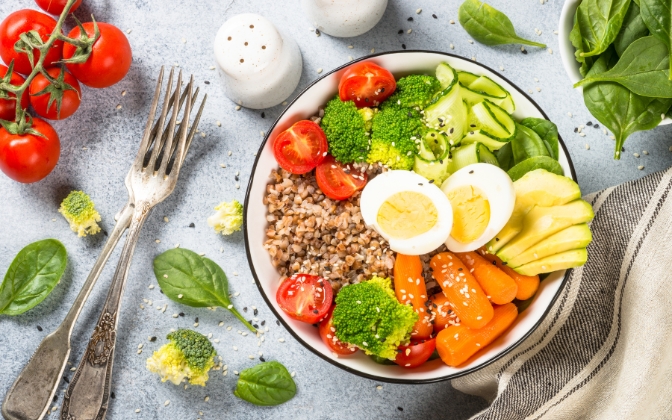
- Healthy Fats: Avocados, olive oil, nuts (especially walnuts), and seeds (flax, chia).
- Lean Protein: Fatty fish (like salmon and mackerel), chicken, turkey, and legumes.
- Leafy Greens: Spinach, kale, arugula, and Swiss chard.
- Other Veggies: Broccoli, cauliflower, bell peppers, and Brussels sprouts.
- Low-Sugar Fruits: Berries (strawberries, blueberries, raspberries) are a fantastic choice.
You might notice this list looks a lot like the Mediterranean diet—and you're right! It's one of the most research-backed ways of eating on the planet. [6]
Limit or Avoid: Inflammatory “Not That” Foods
The goal here is to reduce the foods that trigger that internal fire alarm:
- Refined Sugars: Soda, candy, baked goods, and many breakfast cereals.
- Refined Carbs: White bread, white pasta, and white rice.
- Processed Foods: Anything in a box with a long ingredient list, processed meats (hot dogs, deli meat), and fast food.
- Inflammatory Oils: Hydrogenated oils (trans fats), soybean oil, corn oil, and vegetable shortening.
Galveston Diet-Approved Recipe Ideas (To Get You Started)

To show you just how delicious this way of eating can be, I've gathered some fantastic, approved recipes from around the web. These all fit the anti-inflammatory, Mediterranean-style approach.
Breakfast Ideas
- Aegean Sunrise Frittata with Spinach and Herbs
- Herbed Spinach & Tofu “Feta” Egg Bites
- Mediterranean Breakfast Egg Muffins
Lunch Ideas
- Aegean-Spiced Vegetable Skewers with Lemony Herb Drizzle
- Tuscan Tuna and White Bean Salad
- Aegean Tuna & Cannellini Bean Salad
- Mediterranean Chickpea & Cucumber Mosaic with Herbed Tofu Crumbles
- Charred Eggplant with Creamy Tahini Yogurt Sauce
- Andalusian Summer Gazpacho with Toasted Almond
Dinner Ideas
- Skillet-Braised Lemony Artichoke Chicken
- Aegean Sheet-Pan Chicken with Chickpeas & Lemon-Herb Vegetables
- Herbed Mediterranean Chicken & Chickpea Patties
- Mediterranean Lemon-Herb Roasted Chicken and Vegetables
- Lemony Shrimp Saganaki with Feta
- Spanish Garlic Shrimp with Parsley-Almond Sauce
- Jeweled Summer Shrimp & Vegetable Skewers
- Mediterranean Salmon en Papillote with Lemon and Fennel
- Roasted Branzino with Fennel and Chickpeas
- Roasted Aegean Salmon with a Savory Lentil & Tomato Ragoût
- Baked Cod with Chickpea & Fennel Ragu
Does the Galveston Diet Work for Menopause? (My Take as a Researcher)

So, the big question: Does the Galveston Diet work for menopause?
As a researcher who spends her life digging into health data, I am very optimistic about its approach. Why? Because it’s not a gimmick. It’s built on two of the most well-studied concepts in modern nutrition: managing inflammation and improving insulin sensitivity. [4] [5] [7]
This isn't a “lose 10 pounds in 3 days” crash diet. It’s a sustainable lifestyle shift designed to heal your body from the inside out. The weight loss is often a “side effect” of getting your hormones and inflammation under control.
The bottom line is: it directly addresses the reasons menopausal women gain weight, instead of just telling them to “try harder.”
A Quick Safety Note (Please Read!)
This is my most important piece of advice. While this approach is based on healthy, whole foods, it's not for everyone. You must talk to your doctor before starting any new diet plan. This is especially true for the Intermittent Fasting component (considerations for diabetes care and disordered-eating risk). [8][9][10]
Conclusion: Your Next Steps
Feeling overwhelmed by hormonal weight gain and stress is isolating, but you are not broken, and it is not your fault. Your body is just playing by a new set of rules.
The Galveston Diet offers a smart, compassionate, and science-backed plan to meet those new rules head-on. By focusing on anti-inflammatory foods and giving your body a rest with intermittent fasting, you can finally tackle the root causes of menopausal weight gain: inflammation and hormonal imbalance.
It’s a plan that helps you lose weight and stress by focusing on healing, not deprivation.
What's your biggest challenge or frustration with hormonal weight gain? Have you considered an anti-inflammatory approach? Let me know in the comments below—we're all in this together.
Disclaimer: This article is for informational and educational purposes only, based on my personal research and experience. It does not constitute medical advice. Always consult with your doctor or a qualified healthcare provider before making any significant changes to your diet or health routine.
References
- Samargandy S, Matthews KA, Brooks MM, Barinas-Mitchell E, Magnani JW, Janssen I, Kazlauskaite R, El Khoudary SR. Abdominal visceral adipose tissue over the menopause transition and carotid atherosclerosis. Menopause. 2021;28(6):626–633. DOI: 10.1097/GME.0000000000001755. Available at: PMCID: PMC8141004. ↩︎ Back to text
- Kuryłowicz A, Raczkiewicz D. Estrogens in Adipose Tissue Physiology and Obesity-Related Dysfunction. Nutrients. 2023;15(6):1423. DOI: 10.3390/nu15061423. Available at: PMCID: PMC10045924. ↩︎ Back to text
- Epel ES, McEwen B, Seeman T, et al. Stress-Induced Cortisol Secretion Is Consistently Greater among Women with Central Fat. Psychosomatic Medicine. 2000;62(5):623–632. DOI: 10.1097/00006842-200009000-00005. ↩︎ Back to text
- Koelman L, Egea Rodrigues C, Aleksandrova K. Effects of Dietary Patterns on Biomarkers of Inflammation and Immune Responses: A Systematic Review and Meta-Analysis of Randomized Controlled Trials. Advances in Nutrition. 2022;13(1):101–115. DOI: 10.1093/advances/nmab086. Available at: PMCID: PMC8803482. ↩︎ Back to text ↩︎ Back to text
- Sutton EF, Beyl R, Early KS, et al. Early Time-Restricted Feeding Improves Insulin Sensitivity, Blood Pressure, and Oxidative Stress Even Without Weight Loss in Men with Prediabetes. Cell Metabolism. 2018;27(6):1212–1221.e3. DOI: 10.1016/j.cmet.2018.04.010. PubMed: 29754952. ↩︎ Back to text ↩︎ Back to text
- Schwingshackl L, Hoffmann G. Mediterranean dietary pattern, inflammation and endothelial function: a systematic review and meta-analysis of intervention trials. Nutrition, Metabolism & Cardiovascular Diseases. 2014;24(9):929–939. PubMed: 24787907. ↩︎ Back to text
- Cienfuegos S, Gabel K, Kalam F, Ezpeleta M, Lin S, Varady KA. Changes in body weight and metabolic risk during time restricted feeding in premenopausal versus postmenopausal women. Experimental Gerontology. 2021;154:111545. DOI: 10.1016/j.exger.2021.111545. Available at: PMCID: PMC8464526. ↩︎ Back to text
- Grajower MM, Horne BD. Clinical Management of Intermittent Fasting in Patients with Diabetes Mellitus. Nutrients. 2019;11(4):873. DOI: 10.3390/nu11040873. Available at: PMCID: PMC6521152. PubMed: 31003482. ↩︎ Back to text
- Brogi S, Tabanelli R, Puca S, Calderone V. Intermittent Fasting: Myths, Fakes and Truth on This Dietary Regimen Approach. Foods. 2024;13(13):1960. DOI: 10.3390/foods13131960. PubMed: 38998465. ↩︎ Back to text
- Blumberg J, Hahn SL, Bakke J. Intermittent fasting: consider the risks of disordered eating for your patient. BMC Clinical Diabetes and Endocrinology. 2023;9:1. Available at: PMCID: PMC10589984. ↩︎ Back to text
- Save for Later13.4K


16 Responses
I can’t believe how effective the Galveston Diet has been for me during menopause! I’ve struggled with weight gain and stress for years, and nothing seemed to help. But this diet has been a game-changer. The meal plans are easy to follow, and I’ve not only lost weight but also feel so much more relaxed and energetic. If you’re dealing with menopause and looking for a way to shed pounds and reduce stress, I highly recommend the Galveston Diet!
Thank you so much for sharing your experience with the Galveston Diet! We’re thrilled to hear that it has been a game-changer for you, helping you lose weight and feel more relaxed and energetic. Our goal is to provide effective and supportive plans for those going through menopause, and it’s wonderful to know that you’re seeing such positive results. Keep up the fantastic work, and please reach out if you have any questions or need further assistance. We’re here to support you every step of the way!
I’m in my late 50s and struggling with menopause weight gain, especially around my belly. Can the Galveston Diet really help with that, or is it too late for me?
Hi Nancy, thanks for your question! It’s definitely not too late for you! The Galveston Diet can be incredibly effective for women experiencing menopausal weight gain. The focus on anti-inflammatory foods, lean protein, healthy fats, and low-carb vegetables helps combat hormonal imbalances and reduce inflammation, which often contribute to weight gain during menopause. Many women have found success with this approach, even in their 50s, 60s, and beyond. The “More Than Just Weight Loss” section highlights some of these benefits, including improved energy levels, glowing skin, and reduced mood swings. Remember, it’s about making sustainable lifestyle changes, not quick fixes. I encourage you to give it a try and see how it works for you!
I’ve heard that intermittent fasting is part of the Galveston Diet. I’m not sure I can go that long without eating. Is it really necessary?
Hi Patricia, that’s a common concern! Intermittent fasting is often incorporated into the Galveston Diet, but it’s not mandatory. The “Your Path to Well-Being Starts Here” section touches on this. If you’re new to fasting, it’s best to start slowly and listen to your body. You can begin with a shorter fasting window, like 12 or 14 hours, and gradually increase it if you feel comfortable. Some women find that even a shorter fasting period can be beneficial. However, if fasting doesn’t feel right for you, you can still benefit from the other principles of the Galveston Diet, like focusing on anti-inflammatory foods and reducing processed foods and sugar. Always consult your doctor before starting any new fasting regimen.
I’m 58 and have been struggling with menopausal weight gain for a few years now. This Galveston Diet sounds promising, but I’m a little skeptical about diets that focus on restricting certain food groups. Is it really healthy to cut back on carbs, even the “good” ones like fruit? Also, how does this diet specifically address other menopause symptoms like hot flashes? The article mentions it, but I’d love more details.
Hi Linda, thanks for your comment! It’s completely understandable to be skeptical about diets that restrict food groups. The Galveston Diet isn’t about eliminating carbs entirely, but rather about being mindful of the type of carbs you consume. While it does emphasize low-carb vegetables, it also incorporates healthy fats and whole grains in moderation. Fruit is included, though the focus is on lower-sugar options like berries.
The key is to prioritize nutrient-dense, whole foods that fight inflammation, which is a major contributor to weight gain and other menopausal symptoms. Many women find that by reducing refined carbs and focusing on fiber-rich vegetables and healthy fats, they experience better blood sugar control, reduced cravings, and increased satiety.
Regarding hot flashes, the Galveston Diet’s anti-inflammatory approach can help. By reducing inflammation throughout the body, many women experience a reduction in the frequency and intensity of hot flashes. Additionally, the diet’s emphasis on whole foods, particularly those rich in phytoestrogens (like some vegetables and legumes), can help to balance hormones naturally. Some studies, like “The Impact of a Low-Carbohydrate, Anti-Inflammatory Diet on Menopausal Symptoms” (mentioned in the resources), have shown promising results in managing menopausal symptoms through a similar dietary approach.
However, it’s important to remember that every woman’s experience with menopause is unique. What works for one person may not work for another. The Galveston Diet provides a framework, but it’s essential to listen to your body and adjust as needed. I encourage you to give it a try and see how you feel. You might be surprised at the positive changes you experience!
I’m interested in trying the Galveston Diet, but I’m African American and I’ve read that certain health conditions, like high blood pressure and diabetes, are more common in my community. Is this diet safe and effective for women of all racial backgrounds? Are there any specific considerations I should keep in mind? Also, are there any statistics available about the effectiveness of this diet for different groups of women?
Hi Susan, thank you for raising this important question! It’s crucial to consider how dietary approaches may affect individuals differently based on their unique backgrounds and health needs. The Galveston Diet, with its focus on whole, unprocessed foods, lean proteins, healthy fats, and low-carb vegetables, can be beneficial for women of all racial backgrounds. Its emphasis on reducing inflammation can be particularly helpful in managing conditions like high blood pressure and diabetes, which, as you mentioned, disproportionately affect certain communities.
For instance, in the United States, African American women have a higher prevalence of hypertension compared to non-Hispanic white women. According to the CDC, in 2017-2018, the age-adjusted prevalence of hypertension among non-Hispanic Black women was 58.5%, compared to 40.1% among non-Hispanic white women. The Galveston Diet’s focus on reducing inflammation and promoting overall health can contribute to managing these conditions. Additionally, the diet’s flexibility allows for the incorporation of culturally relevant foods that are both healthy and familiar.
However, it is essential to tailor any diet to your specific health needs and cultural preferences. Consulting with a healthcare provider or a registered dietitian who understands your background and any pre-existing conditions is always recommended. They can help you make informed decisions and personalize the Galveston Diet to best support your health goals.
Regarding statistics on the diet’s effectiveness for different groups, research specifically on the Galveston Diet is still emerging. However, studies on low-carb, anti-inflammatory diets, in general, have shown positive outcomes across diverse populations. For instance, a meta-analysis published in the journal “Obesity Reviews” in 2019 found that low-carbohydrate diets were effective for weight loss and improving cardiovascular risk factors in various racial and ethnic groups. While more research is always beneficial, the foundational principles of the Galveston Diet are generally well-supported for promoting health across different populations. You can modify this diet to make it suitable to your cultural preferences. If you like rice, for example, you can include it – brown rice is preferred over white rice.
Remember, the Galveston Diet is a tool for well-being, and its adaptability is one of its strengths. By working with your healthcare provider and making informed choices, you can tailor this approach to create a sustainable and effective path toward better health.
Okay, I’m intrigued, but also skeptical. I’ve tried every diet under the sun, and they all end the same way: me, face-first in a pint of ice cream at midnight. Is this Galveston Diet really different? And what about us chocoholics? Are we doomed to a life without our beloved cocoa?
June, I hear you! I’ve been on that midnight ice cream train myself more times than I care to admit. The beauty of the Galveston Diet is that it’s NOT about deprivation. It’s about making smart choices that nourish your body and help balance those crazy hormones. You’re not banishing chocolate forever! Dark chocolate (70% cacao or higher) actually has some antioxidant benefits. Enjoy it in moderation, savor every bite, and you’ll be surprised how satisfied you feel. Think quality over quantity! Plus, the focus on lean protein and healthy fats keeps you feeling full and less likely to have those sugar cravings that send you running for the ice cream. Give it a try, and you might just find yourself waving goodbye to those midnight binges! This isn’t just another fad diet, June, it’s a sustainable lifestyle change.
This all sounds great, but I’m a busy mom with a full-time job. I barely have time to shower, let alone cook gourmet meals every night. Is the Galveston Diet realistic for someone with a hectic schedule? Also, is this just for white women, or can women of color use this diet? And my husband has high cholesterol, can men try the Galveston Diet? Also, what about alcohol? Can I still have my wine?
Anna, you sound like a superwoman! Juggling work, family, and everything else is no joke. The good news is that the Galveston Diet can totally work for busy people. Meal prepping is your best friend! Spend a few hours on the weekend chopping veggies, grilling chicken, or making a big batch of quinoa. Then, you can mix and match throughout the week for quick and easy meals. Also, this diet is good for all ethnicities. It is based on healthy eating principles that benefit everyone. Plus, this diet is adaptable to men, too! Dr. Mary Claire Haver actually recommends it for men. The anti-inflammatory principles and focus on whole foods are beneficial for overall health, regardless of gender or ethnicity. As far as alcohol goes, that is also adaptable. You can still enjoy the occasional glass of wine. Red wine, in particular, has some antioxidant benefits. Just remember, moderation is key. Think of it as a treat, not a daily necessity. The Galveston Diet is all about finding what works for YOU and your lifestyle.
I’m 55 and post-menopausal; I started the Galvenston program 6 months ago and have lost 18 lbs! I’ve suffered from chronic lower back pain for 20 years and I can tell you the anti-inflammatory diet has worked wonders for me – no more back pain, no more anti-inflammatory medication. I do the intermittent fasting 16:8, and do not feel hungry at all. It’s a flexible program that doesn’t make you feel like you’re depriving yourself, so you don’t feel frustrated. I highly recommend it!
That is absolutely wonderful to hear! Thank you so much for sharing your personal experience.
An 18 lb loss is fantastic, but hearing that you’re free from 20 years of chronic back pain and no longer need medication is just incredible. That’s a powerful testament to how effective tackling inflammation can be.
I’m also so glad you highlighted how flexible and frustration-free the program feels. That’s often the biggest hurdle for people, and your point about not feeling deprived is exactly why this approach can become a sustainable lifestyle change, not just a diet.
Congratulations on your amazing results! Your story is genuinely inspiring and will surely give hope to so many others in a similar situation. We’re so happy for you!