
I still remember the exact moment the numbers on the monitor made my stomach drop. 145/95 mmHg.
I was sitting in my doctor's office, a busy mom of three, balancing a chaotic household and a career. I thought I was “fine.” But that reading, combined with an A1C of 7.8%, was my wake-up call. I was staring down a dual diagnosis of Type 2 Diabetes and high blood pressure.
My doctor handed me a pamphlet about the DASH Diet (Dietary Approaches to Stop Hypertension). I remember looking at the list of “approved foods” and thinking: Does this mean my life of flavor is over? Am I destined to eat steamed broccoli and bland chicken forever?
I refused to accept that.
I’m not a doctor or a dietitian; I’m a researcher with a B.S. in Computer Science. When I face a bug in a system, I analyze the data and find a solution. So, I treated my health like a project. I dove into the scientific literature from the NIH and the American Heart Association. I analyzed nutrient ratios, sodium levels, and the “secret sauce” of blood pressure management: Potassium.
The result? Over 18 months, I lost 50 pounds. My A1C dropped to a healthy 6.1%, and my blood pressure stabilized at a consistent 120/80 mmHg. Best of all? I did it while eating food my husband, Mark, and our three kids actually wanted to steal off my plate.
If you are looking for a practical, data-driven, and delicious way to start the DASH diet, you are in the right place.
Why DASH? (The “Data” Part)
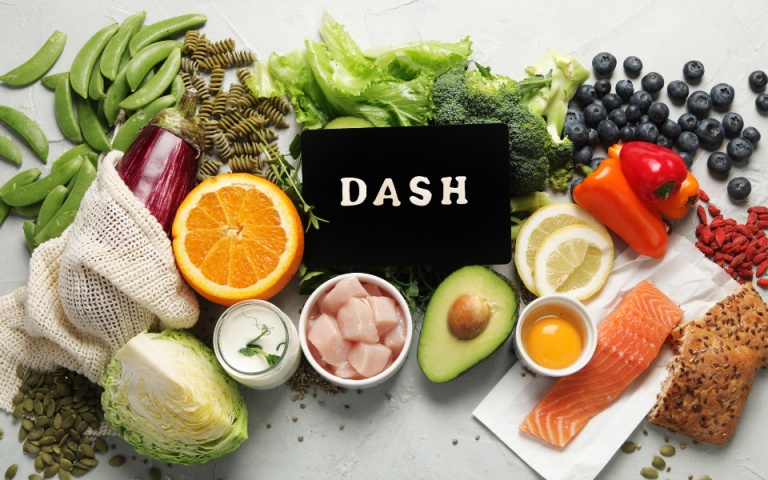
The DASH diet is consistently ranked as one of the best diets overall by U.S. News & World Report, and for good reason. It isn't a fad; it's physiology.
Here is what my research taught me: The Standard American Diet is loaded with sodium and dangerously low in minerals. Sodium constricts your blood vessels, raising pressure. But Potassium, Magnesium, and Calcium do the opposite—they help relax blood vessel walls and flush excess sodium out of your body.
The “Golden Ratio” for This Plan
Many beginner guides tell you to just “cut salt.” That fails because food tastes bland, and you feel deprived. This plan is different. It is calibrated for:
Sodium Control: We aim for the “Gold Standard” of 1,500 mg per day. (The average American eats over 3,400 mg!).
Potassium Loading: We target high-potassium foods (like potatoes, bananas, and spinach) to counteract the salt.
Satiety: This is a 1,500-calorie plan, which is a deficit for most. To keep you full, we use “volumetrics”—lots of fiber and water-rich veggies.
The Strategy: How to Survive the Next 14 Days

Before you scroll down to the meal plan, here are three rules I live by in my kitchen to make this sustainable:
Rule #1: The “Salty Six” Swap. The American Heart Association warns about the “Salty Six”: bread, cold cuts, pizza, poultry, soup, and sandwiches. You don't have to give them up; you just have to make them smarter. You will see below how I swap deli meat for roasted turkey and use low-sodium bread.
Rule #2: Flavor over Salt. When you remove salt, you must add acid and heat. You will notice my recipes use a lot of lemon juice, lime, vinegar, garlic, and spices. These “wake up” the palate so you don't miss the shaker.
Rule #3: Cook Once, Eat Twice. As a busy mom, I do not have time to cook a gourmet meal every night. This plan is designed with leftovers in mind.
Your 14-Day DASH Meal Plan (Week 1)
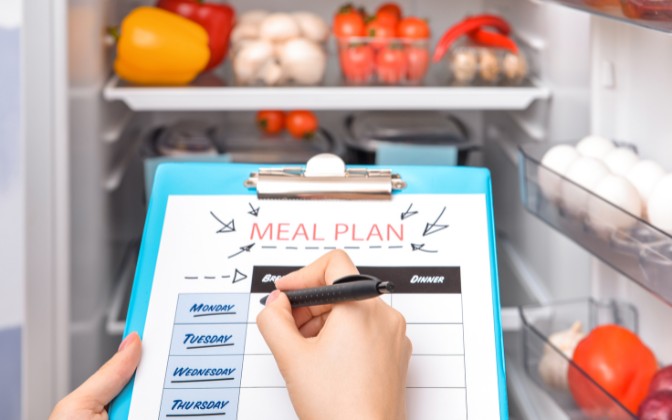
This plan is designed to be approximately 1,500 calories per day.
Breakfast: High protein/fiber to stabilize blood sugar.
Lunch: Quick, packable meals.
Dinner: Comfort foods (Burgers! Pasta! Chili!) re-engineered for heart health.
Snacks: Crucial for hitting our nutrient targets.
Note: This is Week 1. To complete your 14-day cycle, simply repeat this week! Repetition helps build habits and reduces food waste.
Day 1: The Fresh Start
Breakfast: Radiant Berry & Nut Oatmeal Bowl (314 kcal, 3 mg) + 1 Hard Boiled Egg (70 kcal, 60 mg)
Lunch: Rainbow Veggie Hummus & Avocado Wrap (325 kcal, 360 mg) + 1 cup Skim Milk (90 kcal, 100 mg) + 1 cup Cucumber Slices (15 kcal, 2 mg)
Snack: Crispy Apple Wedges with Cinnamon Peanut Butter Dip (183 kcal, 7 mg)
Dinner: One-Pan Lemon Dill Salmon with Roasted Veggies (550 kcal, 255 mg)
📊 Day 1 Dashboard:
Calories: ~1,547 kcal
Sodium: ~787 mg (Extremely Low – Excellent)
Nutrient Highlight: The salmon provides over 1,000mg of Potassium to help lower blood pressure immediately.
Day 2: Savory Soup & Salad
Breakfast: Berry Almond Greek Yogurt Parfait (385 kcal, 92 mg)
Lunch: One Pot Garden Lentil Soup with Spinach and Lemon (255 kcal, 180 mg) + 1 slice Whole Wheat Toast with 1 tsp Unsalted Butter (135 kcal, 120 mg)
Snack: Ultimate Crunchy Fruit & Nut Trail Mix (139 kcal, 3 mg) + 1 Medium Banana (105 kcal, 1 mg)
Dinner: Sesame Citrus Grilled Chicken Salad (560 kcal, 550 mg)
📊 Day 2 Dashboard:
Calories: ~1,579 kcal
Sodium: ~946 mg
Nutrient Highlight: A classic “Soup & Bread” lunch. The banana is added to the snack specifically to balance sodium with electrolytes.
Day 3: The Protein Balance
Breakfast: Garden Veggie Egg Scramble with Golden Whole Wheat Toast (295 kcal, 460 mg) + 1 cup Skim Milk (90 kcal, 100 mg)
Lunch: Creamy Dill Tuna & Tomato Whole Wheat Sandwiches (295 kcal, 402 mg) + 1 Medium Apple (95 kcal, 0 mg) + 10 Unsalted Almonds (70 kcal, 0 mg)
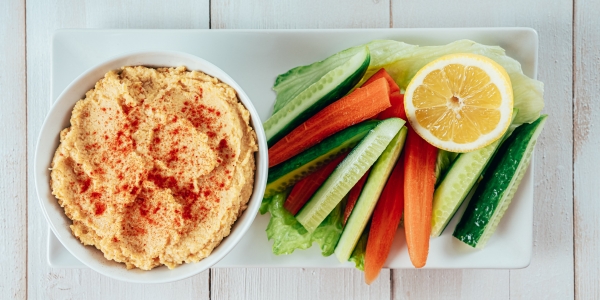
Snack: Vibrant Carrot Hummus with Orange Zest (118 kcal, 115 mg) + 2 cups Fresh Bell Pepper & Cucumber Sticks (40 kcal, 5 mg)
Dinner: Zesty Lime Chicken & Veggie Quinoa Skillet (505 kcal, 315 mg)
📊 Day 3 Dashboard:
Calories: ~1,508 kcal
Sodium: ~1,397 mg (Perfect DASH Zone)
Nutrient Highlight: Using veggie sticks instead of pita bread for the hummus snack saves calories and sodium, allowing for a heartier dinner.
Day 4: The “Loaded Potato” & Smoothie Day
Breakfast: Golden Glow Mango Strawberry Greek Yogurt Protein Smoothie (365 kcal, 116 mg)
Note: Prepare a fresh half-batch of the recipe.
Lunch: Smoky Quinoa and Black Bean Chili with Charred Corn (295 kcal, 170 mg) + 1 Medium Baked Potato (160 kcal, 10 mg)
Tip: Pour chili over the potato for a hearty meal.
Snack: Golden & Creamy Herb Deviled Eggs (85 kcal, 120 mg) + 2 Clementines (70 kcal, 0 mg) + 10 Unsalted Almonds (70 kcal, 0 mg)
Dinner: 20 Minute Healthy Shrimp Scampi with Lemon Garlic (345 kcal, 495 mg) + 1 Whole Wheat Dinner Roll (100 kcal, 130 mg) + 1 cup Steamed Broccoli (50 kcal, 20 mg)
📊 Day 4 Dashboard:
Calories: ~1,540 kcal
Sodium: ~1,061 mg
Nutrient Highlight: The baked potato is a DASH superfood, adding nearly 900mg of potassium with almost zero sodium.
Day 5: American Favorites (Healthy Edition)
Breakfast: Fluffy Whole Wheat Buttermilk-Style Pancakes (275 kcal, 235 mg) + 1/2 cup Sliced Strawberries & 1 tbsp Walnuts (70 kcal, 0 mg)
Lunch: Next Level Spaghetti Squash with Savory Turkey Meatballs (240 kcal, 470 mg) + Fresh Mixed Greens with Olive Oil & Lemon Juice (120 kcal, 5 mg)
Snack: 10-Minute Avocado Rice Snaps (163 kcal, 106 mg) + 1 Pear (100 kcal, 0 mg)
Dinner: Homemade Vegan Black Bean Burgers with Fluffy Whole Wheat Buns (403 kcal, 589 mg) + Homemade Sweet Potato Oven Fries (150 kcal, 20 mg)
Tip: Season fries with paprika/garlic powder only (No Salt).
📊 Day 5 Dashboard:
Calories: ~1,521 kcal
Sodium: ~1,425 mg (Safe Zone)
Nutrient Highlight: A “Burger & Fries” night that stays under 1,500mg of sodium is rare! The sweet potatoes provide essential Vitamin A.
Day 6: Simple Brunch & Batch Cooking
Breakfast: Avocado Toast Hearts: A Zesty Glow-Up Delight (243 kcal, 306 mg) + 1 Hard Boiled Egg (70 kcal, 60 mg)
Note: Serving size is 3 toast pieces.
Lunch: Vibrant Hearty Low-Sodium Turkey Chili (282 kcal, 210 mg) + 1 slice Whole Wheat Toast (120 kcal, 150 mg)
Snack: Berry Bliss Yogurt Parfait (275 kcal, 45 mg)
Dinner: One-Pan Lemon Dill Salmon with Roasted Veggies (550 kcal, 255 mg)
Note: Leftovers from Day 1 or cooked fresh.
📊 Day 6 Dashboard:
Calories: ~1,540 kcal
Sodium: ~1,026 mg
Nutrient Highlight: This day is packed with Omega-3s (Salmon) and Fiber (Chili), great for heart health.
Day 7: Italian-American Sunday
Breakfast: Golden Glow Mango Strawberry Greek Yogurt Protein Smoothie (365 kcal, 116 mg)
Note: Prepare a fresh half-batch using remaining fruit.
Lunch: Creamy Dill Tuna & Tomato Whole Wheat Sandwiches (295 kcal, 402 mg) + 1 cup Baby Carrots (50 kcal, 80 mg) + 1 Apple (95 kcal, 0 mg)
Snack: Ultimate Crunchy Fruit & Nut Trail Mix (139 kcal, 3 mg) + 1 Medium Banana (105 kcal, 1 mg)
Dinner: Next Level Spaghetti Squash with Savory Turkey Meatballs (240 kcal, 470 mg) + 1 slice Whole Wheat Garlic Toast (120 kcal, 150 mg) + Green Salad with Olive Oil & Vinegar (80 kcal, 30 mg)
📊 Day 7 Dashboard:
Calories: ~1,489 kcal
Sodium: ~1,252 mg
Nutrient Highlight: The Garlic Toast + Salad combo makes the spaghetti squash feel like a traditional pasta dinner, satisfying cravings without the heavy carbs.
How to Handle “Real Life”
You might look at this plan and think, “Laura, what if I don't have time to make a smoothie?” or “What if I'm eating out?”
Here is the truth: Perfection is the enemy of progress. If you slip up and have a high-sodium meal, don't quit. Just drink an extra glass of water and make sure your next meal is high in potassium (grab a banana!).
This journey isn't about suffering; it's about reclaiming your vitality. It’s about being able to run around with your kids (or grandkids) without getting winded. It’s about seeing those numbers on the doctor's monitor go down and feeling that sigh of relief.
You’ve got this. Let’s get healthy, one delicious bite at a time.
To your health, Laura Santiago
Disclaimer
The content provided in this article, including the meal plan and recipes, is for educational and informational purposes only and is based on my personal experience and research. I am not a doctor, nutritionist, or registered dietitian. This information is not intended to diagnose, treat, cure, or prevent any disease. Always consult with your physician or a qualified healthcare provider before making any changes to your diet, exercise routine, or medication, especially if you have a medical condition like diabetes or hypertension.
- Save for Later27.4K


12 Responses
I’m loving the 14-day DASH Diet meal plan! The meals are full of flavor and surprisingly satisfying, which makes sticking to the plan easy and enjoyable. I’ve already started seeing some weight loss and feel healthier overall. The recipes are straightforward and delicious, making it easy to stay on track. If you’re looking for a diet that doesn’t sacrifice taste for results, definitely give this plan a try!
Thank you for your positive feedback! We’re delighted to hear that you’re enjoying the 14-day DASH Diet meal plan and seeing great results. It’s wonderful to know that the meals are both flavorful and satisfying, making your journey towards better health enjoyable. If you have any questions or need additional support as you continue with the plan, please don’t hesitate to reach out. We’re here to help and support you!
I’m traveling for work next week. Any tips for sticking to the DASH diet while on the road?
Hi David, that’s a great question! Traveling can definitely make it more challenging to stick to any eating plan, but it’s not impossible. Here are a few tips for staying DASH-compliant while on the road: Pack some healthy snacks like fruit, nuts, or yogurt. When eating out, look for restaurants that offer grilled or baked dishes, salads with lean protein, and vegetable sides. Don’t be afraid to ask for modifications, like requesting sauces on the side or substituting brown rice for white. You can also check out the menus online beforehand to plan your meals. Most importantly, don’t stress too much about being perfect. Just do your best to make healthy choices whenever possible, and get back on track when you return home.
I’m excited to try this, but I have a family to feed, and they’re not all on board with the DASH diet. Any suggestions for making meals that everyone will enjoy?
Hi Ashley, that’s a common challenge! The good news is that the DASH diet is based on whole, unprocessed foods that are healthy for everyone, not just those looking to lower blood pressure or lose weight. Many of the meals in the plan, like grilled chicken with roasted vegetables or lentil soup, are likely to be crowd-pleasers. You can also make some simple modifications to suit different preferences. For example, you could serve the same protein and vegetables but offer different side dishes, like brown rice for those following DASH and white rice for others. You could also try involving your family in meal planning and cooking to get them more excited about trying new things. Getting your family involved in healthy eating will benefit everyone in the long run!
This sounds really healthy, but I’m a bit worried about the cost. Fresh produce and lean meats can get expensive. Do you have any tips for following the DASH diet without breaking the bank? Also, I’m not a big fan of cooking. Are these meals complicated to make?
Hi Sarah, thanks for your comment! Those are really valid concerns. Eating healthy shouldn’t have to be expensive or time-consuming. Here are a few tips for making the DASH diet budget-friendly and easy to follow:
Buy in season: Fruits and vegetables that are in season are usually cheaper and more flavorful.
Frozen is your friend: Frozen fruits and vegetables are just as nutritious as fresh and often more affordable. They’re also great for meal prepping!
Embrace cheaper protein sources: Beans, lentils, and eggs are excellent sources of protein that won’t break the bank.
Plan your meals: This will help you avoid food waste and impulse purchases at the grocery store.
Cook in bulk: Make larger batches of meals like soups, stews, or chili and freeze the leftovers for quick and easy meals later in the week.
As for the cooking part, most of the meals in the plan are pretty straightforward and don’t require any special skills. Many can be made in 30 minutes or less. I’ve also included some tips for meal prepping to save you time during the week. Don’t worry, you don’t have to be a gourmet chef to follow the DASH diet!
I’m really interested in trying this DASH diet, but I have a family to feed, including a couple of picky eaters. Do you think this meal plan is adaptable for families? I don’t want to be making separate meals for everyone. Any suggestions for making it kid-friendly?
Hi Emily, that’s a great question! The DASH diet is definitely adaptable for families, even with picky eaters. Here are a few ideas:
Focus on familiar foods: Many of the DASH-recommended foods are likely already familiar to your family, like fruits, vegetables, whole-wheat bread, and lean meats.
Get the kids involved: Let your kids help with age-appropriate tasks like washing produce, setting the table, or even choosing recipes. This can make them more interested in trying new foods.
Offer choices: Instead of making separate meals, try offering a variety of DASH-friendly options at each meal. For example, you could serve grilled chicken with a choice of brown rice or whole-wheat pasta and a side of steamed broccoli or a salad.
Make it fun: Get creative with presentation. Cut fruits and vegetables into fun shapes, or serve them with a healthy dip like hummus or yogurt.
Don’t give up: It can take multiple tries for kids (and adults!) to accept new foods. Keep offering a variety of healthy options, and eventually, they may surprise you!
You might also find that many of the recipes are already kid-friendly. Things like turkey chili, veggie burgers, and whole-wheat pasta with marinara sauce are usually a hit with all ages. Remember, the goal is to make healthy eating a family affair.
Hi, I have a question I work evenings from 4pm-2am. How can I make this work for me? My breaks are at 7pm and 10pm. I usually get home around 3am, go to sleep by 5 and wake up no later than 10am. Thanks
Hi Emma, thank you so much for reading and for your great question! Working evening shifts definitely requires some adjustment to standard meal timings, but the DASH diet is wonderfully flexible and can absolutely work for your 4 pm to 2 am schedule. Think of your meals based on your waking/working hours rather than traditional names: your ‘breakfast’ could be your first meal after waking around 10 am, followed by a ‘lunch’ before your shift begins, and then utilize your breaks at 7 pm and 10 pm for a ‘dinner’ and a substantial snack (or vice-versa depending on hunger), ensuring you’re incorporating those DASH-friendly whole foods throughout your active period before you head home around 3 am. The key is focusing on the types of nutritious foods outlined in the plan and fitting them into your day, whenever that may be – you can definitely make this healthy lifestyle fit your routine!