



We spend a lot of time obsessing over expensive probiotics. But the biggest threat to your digestion is rarely what you are failing to add. It is usually the completely normal daily routines actively working against your gut bacteria.
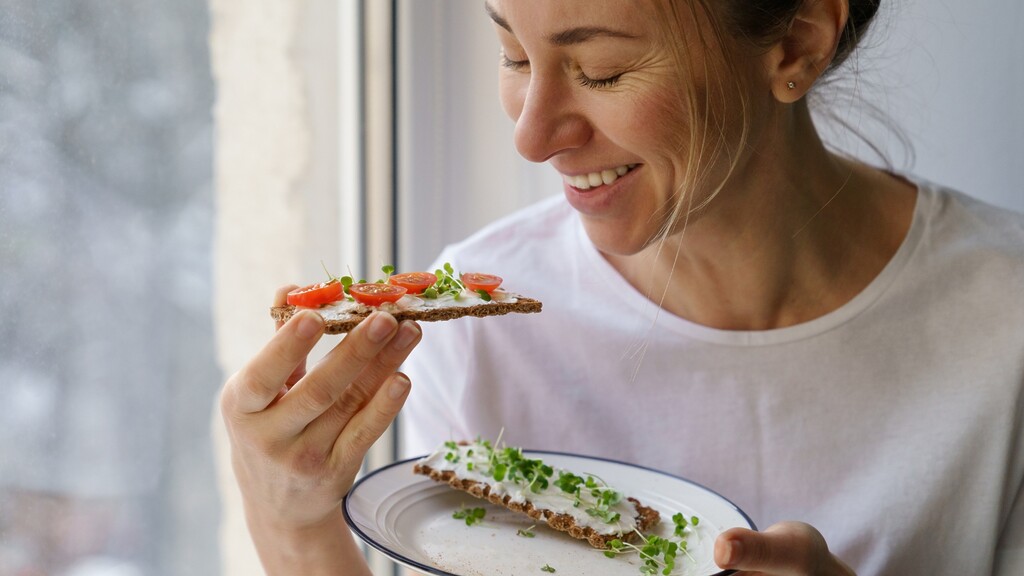
Jump to the 5 gut health mistakes
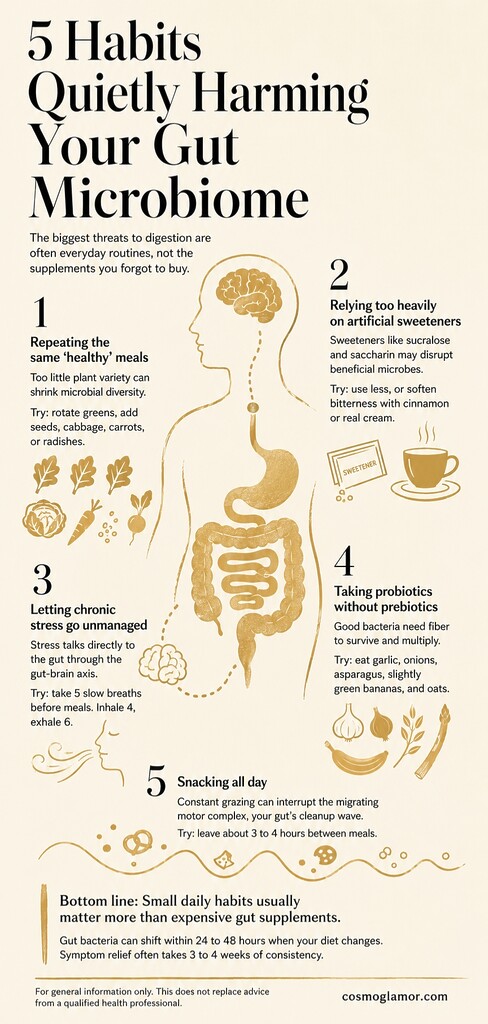
1. Eating the Exact Same “Healthy” Meals on Repeat
When I first started trying to improve my metabolic health, I fell right into the trap of eating the exact same chicken and spinach salad every single day. It was brilliant for meal prep, but it completely stalled my digestion. We often confuse dietary consistency with health, but your microbiome thrives on variety.
Different bacterial strains survive on different types of plant fibers. Eating the exact same healthy meals on repeat means the microbes that prefer arugula, carrots, or radishes eventually starve. A lack of diversity on your plate can contribute to lower diversity in your gut flora.
Instead of overhauling your whole menu, just rotate your greens. If you bought spinach this week, buy kale or mixed greens next week. Toss a handful of pumpkin seeds or shredded cabbage into your usual lunch. The goal is to gradually introduce different fibers to keep a wider variety of bacteria fed and active.
2. Leaning Too Hard on Artificial Sweeteners
Cutting back on refined sugar is generally a smart move, but replacing all of it with artificial sweeteners can backfire in the digestion department. Research suggests that certain zero-calorie sweeteners, particularly sucralose and saccharin, can actively alter the composition of your gut bacteria.
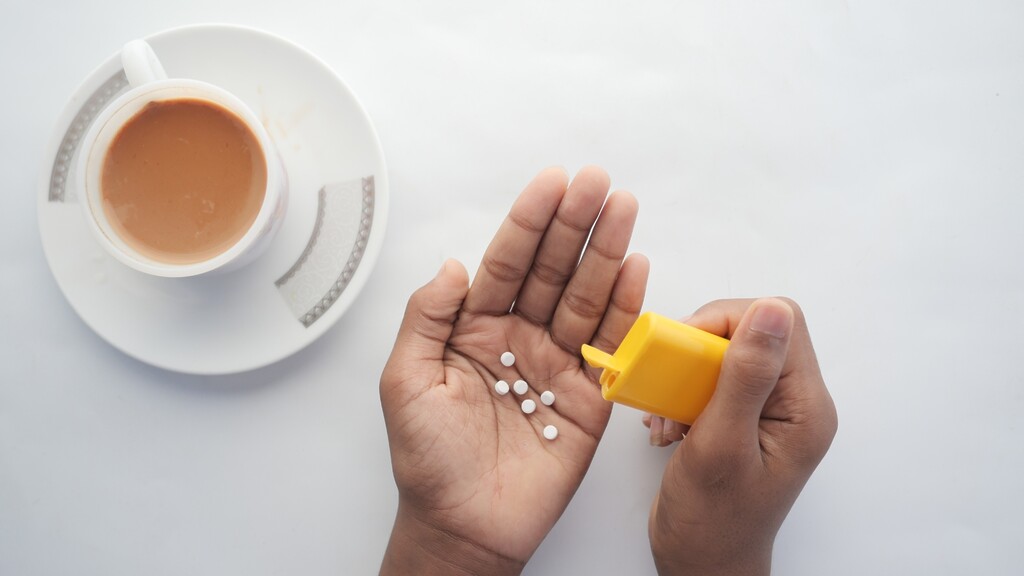
You usually see these in restaurants as the yellow and pink paper packets. While they do not spike your blood sugar, these sweeteners pass through your digestive tract mostly intact, where they can disrupt the balance of beneficial microbes and potentially impact how your body handles glucose over time.
If you rely on a sweetener for your morning coffee, try stepping down the amount by half. You can also experiment with a splash of real cream or a dash of cinnamon to cut the bitterness naturally. Stevia and monk fruit appear to be better tolerated by the gut, but moderation is still the most reliable strategy.
3. Letting Chronic Stress Go Unmanaged
We usually treat stress as a purely mental burden, but your digestive system feels every bit of it. The gut and the brain are physically connected by the vagus nerve, meaning chronic anxiety sends a direct distress signal to your digestion.
You can't build a resilient microbiome if your nervous system is constantly preparing for an emergency.
When stress stays high, it can alter gut motility and increase intestinal permeability, a state often referred to as a leaky gut. You can eat all the sauerkraut in the world, but if you are chronically running on adrenaline, your microbiome will struggle to stabilize.
You do not need a perfectly zen life to fix this. Taking five deep, slow breaths right before you sit down to eat, inhaling for a count of four and exhaling for six, shifts your nervous system out of flight mode. This physically preps your stomach for the food.
4. Taking Probiotics But Forgetting Prebiotics
Swallowing a daily probiotic capsule has become a mainstream wellness habit. But throwing good bacteria into an environment where they have nothing to eat is a waste of money.
Those microbes require prebiotics, specific types of indigestible plant fibers, to survive and multiply. Taking probiotics without eating prebiotic fiber is like planting seeds in dry sand and wondering why nothing is growing.
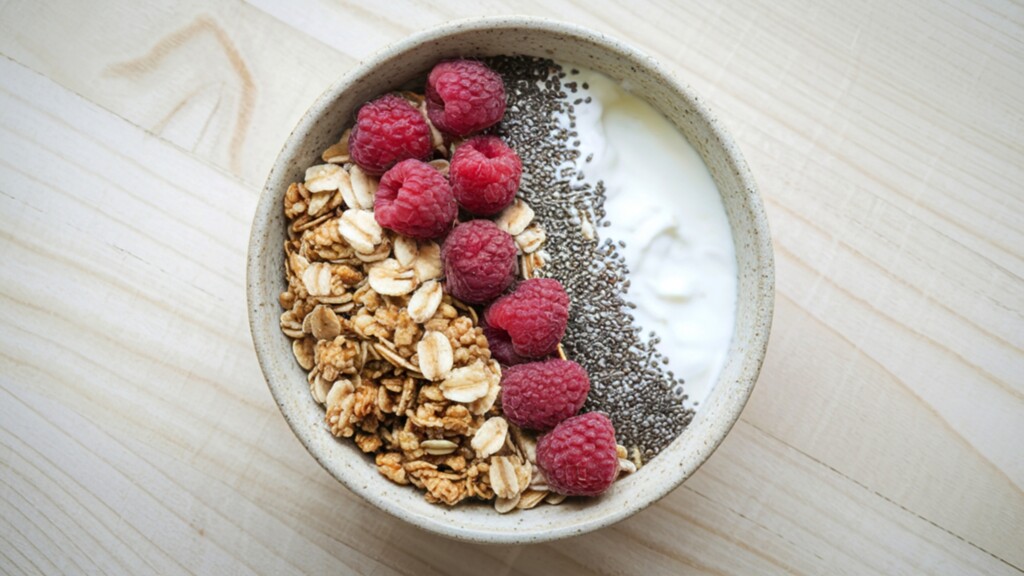
You can easily fix this by ensuring your daily meals include foods naturally rich in prebiotics. Garlic, onions, asparagus, slightly underripe bananas, and oats are all excellent sources. Cooking the onions and garlic softens their bite without destroying the fiber, while keeping bananas slightly green preserves their resistant starch. Try adding a quarter cup of raw oats to your yogurt or tossing extra onions into your dinner skillet.
5. Grazing Around the Clock
The advice to eat six small meals a day to keep your metabolism running is outdated, and it is particularly tough on your digestive tract. Your gut needs stretches of downtime to perform basic housecleaning.
When you constantly snack, you interrupt the migrating motor complex. This is a naturally occurring digestive wave that physically sweeps leftover food and bacteria through your intestines. If you eat a handful of almonds every two hours, that sweeping wave rarely gets to finish its job, which may make the process less efficient; impaired MMC activity has been linked with bacterial overgrowth in the small intestine.
Aim to leave roughly three to four hours between your meals without snacking. If you find yourself genuinely hungry between meals, it usually means your main plates need a bit more protein or healthy fat to keep you properly fueled.
Frequently Asked Questions
Can one bad weekend of eating ruin my microbiome?
No. Your microbiome is remarkably resilient. While a weekend of heavy drinking and processed foods might cause temporary bloating and a short-term shift in your gut flora, it will not permanently erase the good bacteria you have cultivated. Returning to your normal, fiber-rich meals will typically restore balance within a few days.
How long does it take to see improvements in gut health?
You can actually alter gut bacteria in as little as 24 to 48 hours just by changing what you eat. However, resolving deeper symptoms like chronic bloating or irregular digestion usually takes about three to four weeks of consistent dietary adjustments.
Fixing your digestion rarely requires buying a mountain of obscure supplements. It usually just requires paying attention to the small daily friction points you did not realize you were creating.
Sources
- How dietary variety and gut microbiome diversity are associated – The Microsetta Initiative, 2023.
- Personalized microbiome-driven effects of non-nutritive sweeteners on human glucose tolerance – Cell, 2022.
- Relationship between stress, diet, and gut microbiota – Nutrition & Metabolism, 2025.
- ISAPP consensus statement on the definition and scope of prebiotics – Nature Reviews Gastroenterology & Hepatology, 2017.
- The migrating motor complex – Nature Reviews Gastroenterology & Hepatology, 2012.
- Diet rapidly and reproducibly alters the human gut microbiome – Nature, 2014.