


Most weight loss smoothies are just adult milkshakes in disguise. You blend three kinds of fruit, feel virtuous drinking it, and then find yourself raiding the pantry an hour later. If you want a smoothie to actually help you lose weight, you have to build it differently.
Jump to the weight loss smoothie recipes
The Sugar-Bomb Trap
The biggest mistake I used to make in the kitchen was assuming anything made of fruit was automatically a health food. When you toss bananas, mangoes, and a splash of apple juice into a blender, you create a massive carbohydrate load. Blending fruit physically breaks down its fiber matrix. That can make the sugars easier to drink quickly, and when you add a juice base, the result can mean faster and easier ingestion, less satiety, and a more chaotic blood sugar response than eating whole fruit.
To create healthy smoothies for weight loss, you have to stop treating them like a beverage and start treating them like a structured meal. A meal needs anchors. It needs components that digest slowly, signal fullness to your brain, and keep your energy stable.
The Formula for Smoothies That Satisfy
You do not need a culinary degree to make a great shake. You just need a basic formula that prioritizes metabolic stability over pure sweetness.
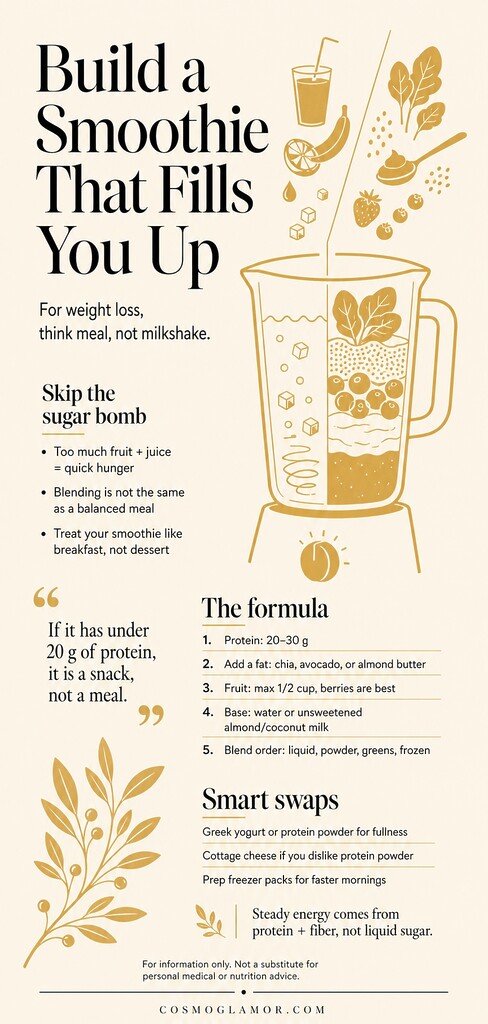
Lead with 20 to 30 grams of protein. Protein is the most satiating macronutrient. It tends to send stronger fullness signals, which helps extend that feeling of fullness well into your morning. Use a high-quality whey isolate, a clean plant-based powder, or a half-cup of plain Greek yogurt.
Add a functional fat. Fat slows gastric emptying. This simply means the food stays in your stomach longer before moving into your intestines. A tablespoon of chia seeds, a quarter of an avocado, or a spoonful of almond butter will completely change how long the smoothie sustains you.
Keep the fruit to half a cup. You want the flavor and the micronutrients, but you do not need the massive sugar load of an entire fruit bowl. Frozen berries are generally the best choice because they pack the highest fiber content with the lowest sugar impact.
Load the blender logically. Always pour your liquid in first, followed by powders, then fresh greens, and put your frozen items and ice at the very top. The liquid sitting closest to the blade creates a vortex that pulls the solid ingredients down, preventing the motor from stalling and saving you the frustration of constantly stopping to stir.
If your smoothie doesn't have at least 20 grams of protein, you didn't make a meal. You made a snack that is going to cost you later.
3 Smoothie Recipes for Weight Loss
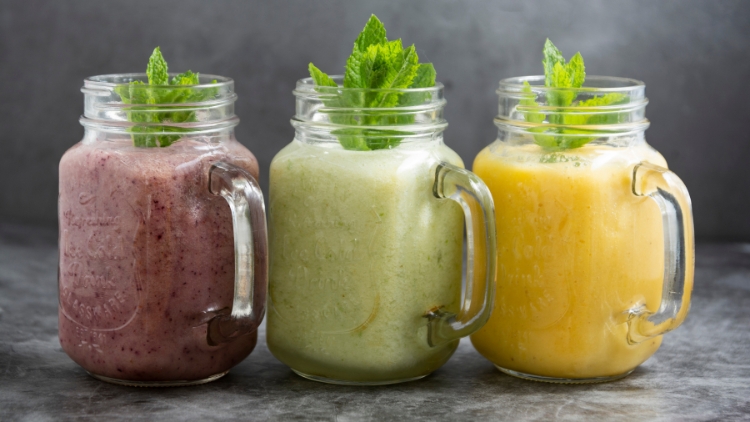
These smoothie recipes for weight loss are calibrated for real mornings. They take less than three minutes to make and require zero obscure superfood powders. The nutritional profiles are rough estimates, but they will reliably fit a deficit without leaving you hungry.
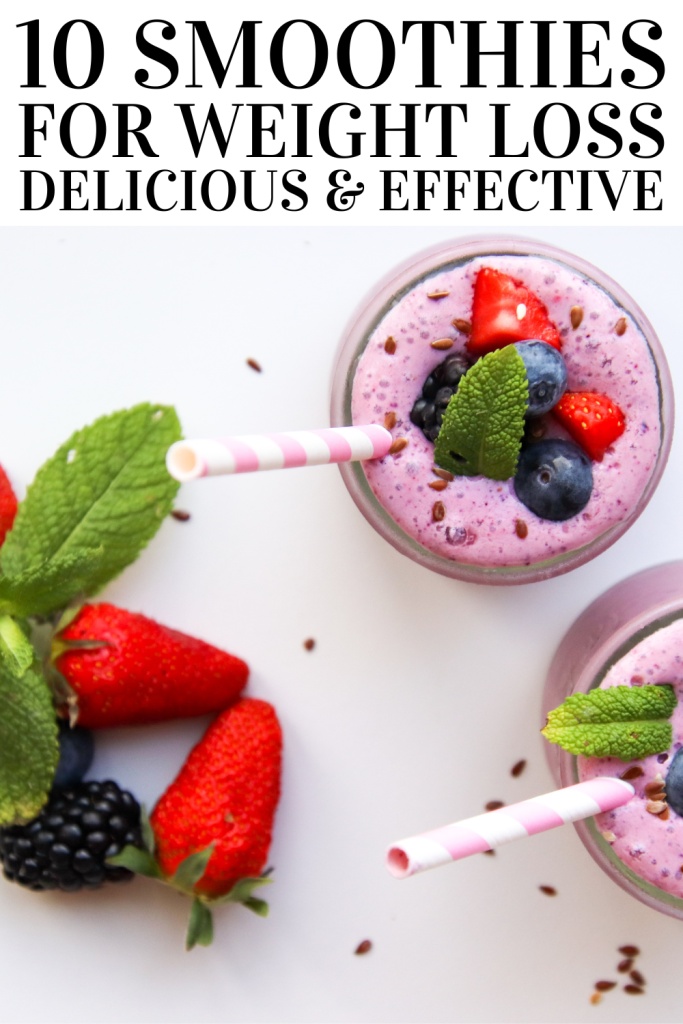
1. The PB&J Protein Fix
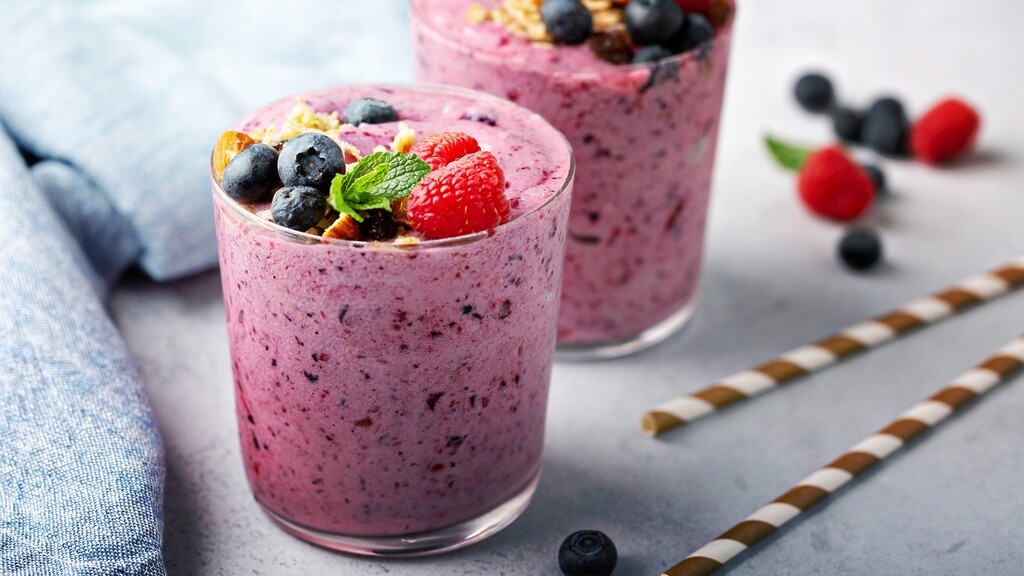
This mimics the comfort of a peanut butter and jelly sandwich without the heavy carbohydrate slump. Using peanut butter powder instead of traditional peanut butter removes about 130 calories of oil while keeping the roasted peanut flavor intact.
- 1 cup unsweetened almond milk
- 1 scoop vanilla protein powder
- 1/2 cup frozen raspberries
- 2 tablespoons peanut butter powder
- 1 handful fresh spinach
- 1/2 cup ice
Blend on high for 45 seconds until the spinach is completely pulverized. If you do not have peanut butter powder, use one level tablespoon of natural peanut butter instead, but note that the calorie count will climb slightly.
Estimated profile: Roughly 240 calories and 28g of protein, depending on your specific powder.
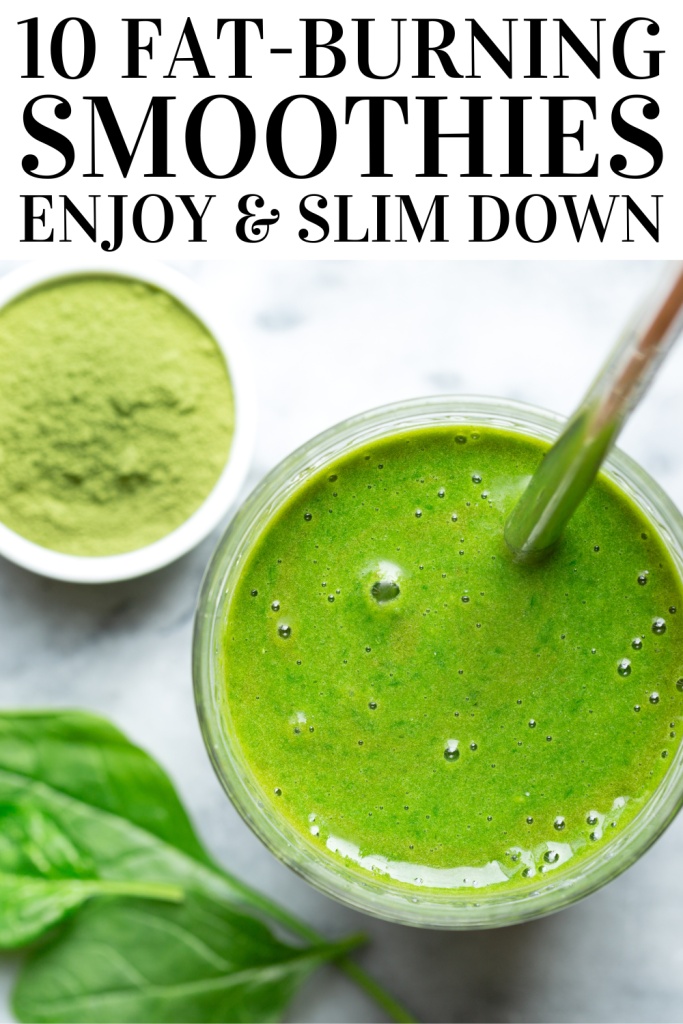
2. The Deep Green Reset
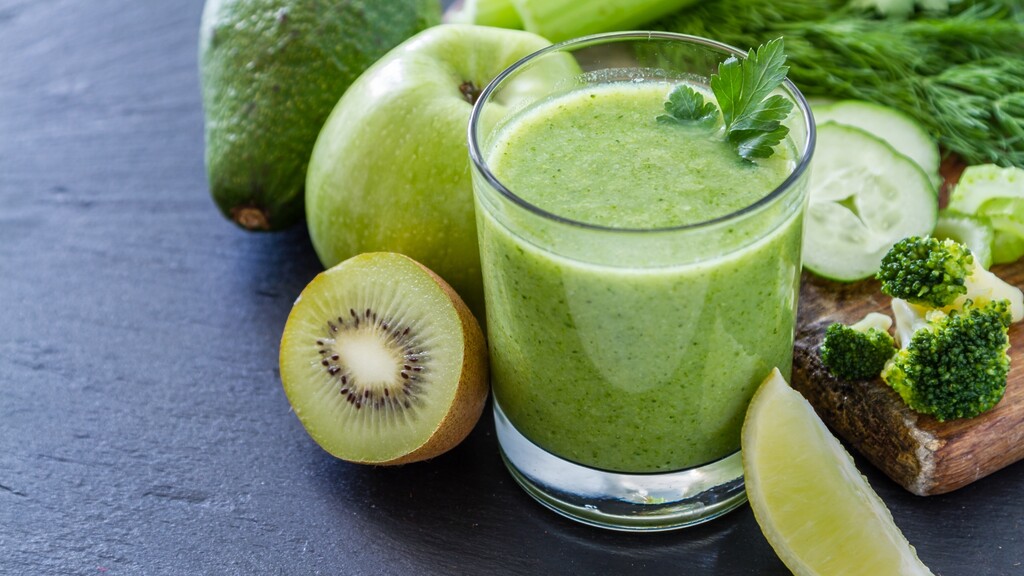
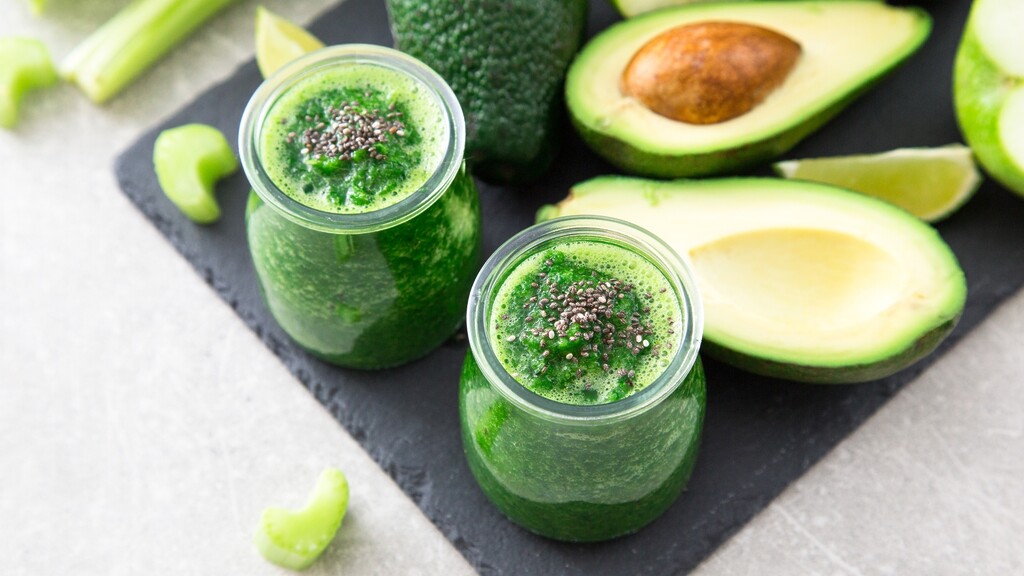
The secret to low calorie smoothies is relying on vegetables with high water content rather than fruit juices for volume. The cucumber provides massive hydration and bulk for almost zero calories, while the avocado yields a creamy texture that keeps you full.
- 1 cup cold water
- 1 scoop unflavored or vanilla protein powder
- 1/4 ripe avocado
- 1/2 small cucumber (peeled if the skin is bitter)
- 1 tablespoon fresh lemon juice
- 1 tablespoon chia seeds
- 1/2 cup ice
Blend the chia seeds and water first for about ten seconds to break down the seed walls, then add the rest of the ingredients and blend until smooth.
Estimated profile: Roughly 210 calories and 25g of protein.
3. The Mocha Morning
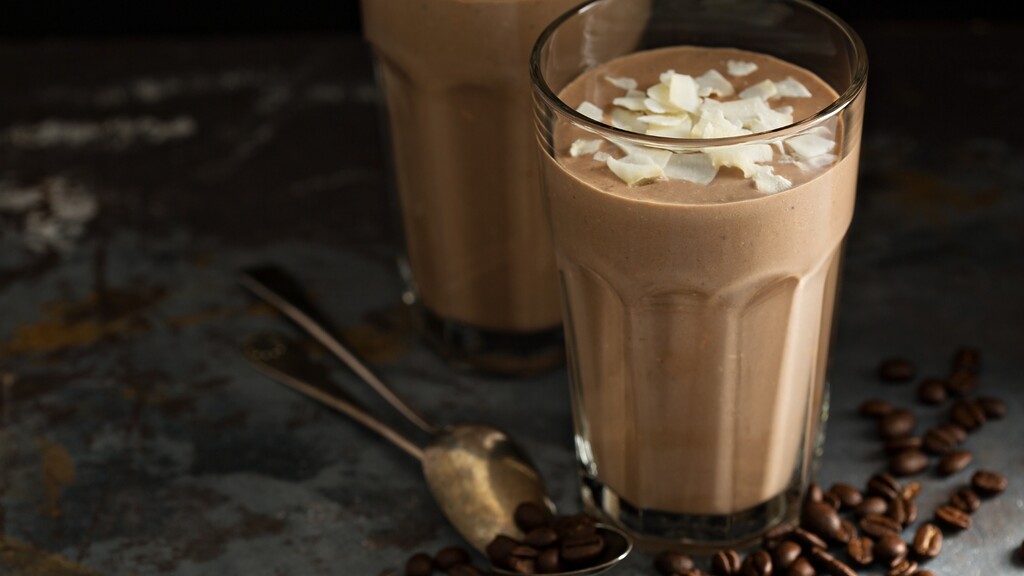
When you need caffeine and breakfast but only have time for one glass, this works perfectly. The cold brew provides the caffeine hit, and the cocoa powder offers rich chocolate flavor along with antioxidant properties tied to flavonoids.
- 1/2 cup cold brew coffee
- 1/2 cup unsweetened almond milk
- 1 scoop chocolate protein powder
- 1 tablespoon unsweetened cocoa powder
- 1/2 frozen banana
- 1/2 cup ice
If your blender struggles with frozen bananas, chop them into small coins before freezing them in a zip-top bag.
Estimated profile: Roughly 200 calories and 26g of protein.
The Liquid Base Matters
You can ruin a perfect combination of ingredients just by pouring the wrong liquid into the blender. Oat milk has surged in popularity recently, but plant-based milk alternatives can vary a lot; depending on carbohydrate type and concentration, they can lead to stronger glycemic responses than you may expect. Apple juice and orange juice push the same liquid-carb problem in an even more obvious direction.
Stick to unsweetened almond milk, unsweetened coconut milk, or plain cold water. If your smoothie contains enough fat and protein, water works perfectly fine and keeps the calorie count entirely focused on the solid foods.
Common Smoothie Questions
Can I blend these the night before?
Technically yes, but the texture will suffer. The liquid and solids will separate in the fridge overnight. Instead, portion your dry ingredients and fruit into small containers in the freezer. In the morning, dump the container into the blender, add your liquid, and blend.
What if I hate the taste of protein powder?
Use half a cup of low-fat cottage cheese instead. Once blended, it completely loses its curdy texture and becomes incredibly smooth and creamy. It provides about 14 grams of high-quality protein without the artificial sweetener aftertaste that some powders carry.
A good morning routine does not require you to drink a glass of liquid sugar just to get out the door. When you build a glass around protein and fiber, you buy yourself hours of steady energy and focus.
Sources
- Depletion and disruption of dietary fibre – The Lancet, 1977.
- Revisiting the role of protein-induced satiation and satiety – Food Hydrocolloids, 2017.
- Energy and macronutrient composition of breakfast – Appetite, 2010.
- Cocoa: antioxidant and immunomodulator – British Journal of Nutrition, 2009.
- Glycemic responses of milk and plant-based drinks – Foods, 2023.

2 Responses
I absolutely love this guide to smoothies! The recipes are not only delicious but also super easy to make. I’ve been enjoying these smoothies every day and already see a difference in how I feel and look. They’re a great way to stay on track with my weight loss goals while enjoying tasty drinks. If you’re looking for a fun and effective way to slim down, definitely give these smoothie recipes a try!
Thank you for your enthusiastic feedback! We’re thrilled to hear that you’re enjoying the smoothie recipes and seeing positive results. Our goal is to make healthy eating enjoyable and effective, so it’s great to know that the guide is helping you stay on track with your weight loss goals. If you have any questions or need more smoothie ideas, feel free to reach out. We’re here to support you every step of the way!