Are you trying to eat more plant-based on the Mediterranean diet?
If you are, you've probably been told to eat one thing over and over: tofu.
But let's be honest. Tofu doesn't exactly scream “sun-drenched Greek island,” does it? It's not a traditional part of the diet, and maybe you're soy-intolerant, or you're just plain tired of it.
What if I told you that you can easily hit your protein goals without a single block of soy?
Here's the deal: The Mediterranean region is home to some of the most powerful and delicious plant-based Mediterranean proteins on the planet. You just need to know where to look.
Below, you'll find seven smart, authentic picks to keep your meals satisfying—and completely tofu-free.
Why Look for Mediterranean Diet Protein Without Soy?
First, let's clear the air. Tofu isn't “bad.” But it's not a staple food in Greece, Italy, or Spain.
The true Mediterranean diet emphasizes whole, minimally-processed foods that are native to the region—especially legumes, whole grains, nuts, seeds, fruits, vegetables, and olive oil as outlined by Harvard’s Nutrition Source.
Focusing on these authentic foods isn't just about tradition. It's about maximizing nutrient density and fiber, which are the real secrets to the diet's success. You don't need processed soy products to thrive.
The 7 Best Plant-Based Mediterranean Proteins (That Aren't Tofu)
Ready to upgrade your pantry? Here are the power-packed staples you should be eating right now.
1. Lentils (The Powerhouse)
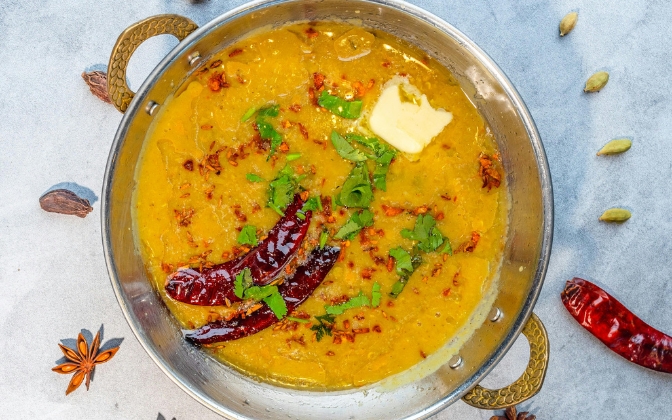
If you add just one food from this list, make it lentils.
Lentils are the undisputed champion of Bootstrapping a vegan Mediterranean diet protein plan. They are cheap, easy to cook, and incredibly versatile.
One cup cooked provides about 18 g protein and ~16 g fiber per USDA-based data (1 cup, 198 g cooked).
How to use them: Think beyond just soup (though a Greek “Fakes” lentil soup is amazing). Use sturdy green or brown lentils as a base for hearty salads, or blend them into a “meat” sauce for pasta.
Try: Lentil–Kale Soup · Jeweled Lentil Salad
2. Chickpeas (The Versatile Staple)
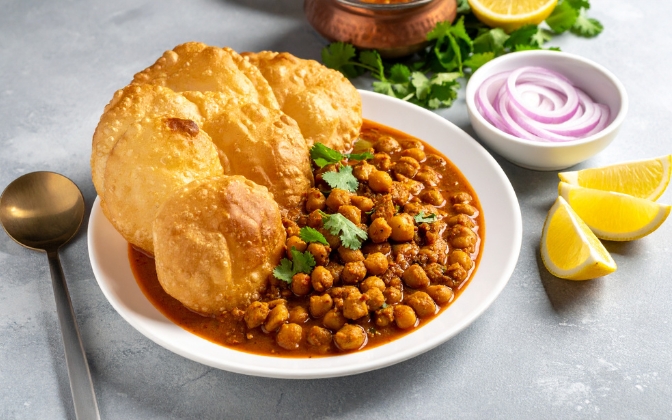
You already know and love chickpeas, even if you don't realize it. They're the heart of hummus!
But these legumes are so much more than a dip. A one-cup serving offers around 14–15 g protein. They’re also central to the Mediterranean diet pattern.
How to use them: Roast them with olive oil and oregano for a crunchy snack. Toss them whole into salads and grain bowls. Or, my favorite: lightly mash them with tahini, lemon, and herbs for a “no-tuna” salad sandwich.
Try: Orzo & Chickpea Salad · Crispy Air-Fryer Chickpeas
3. Lupini Beans (The High-Protein Snack)
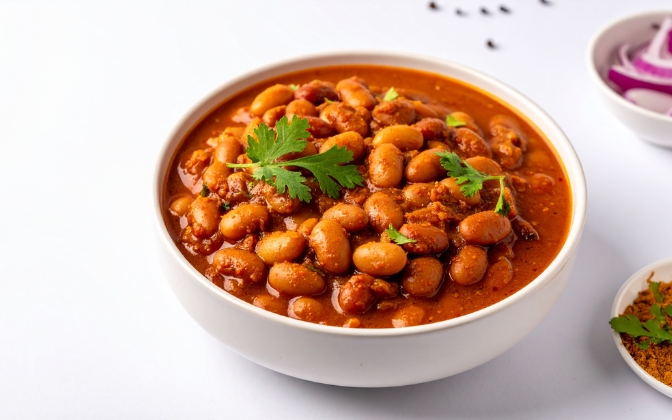
This is my secret weapon. If you haven't tried lupini beans, you are missing out.
These large, yellow beans are a traditional snack food in Italy and Spain, often sold in brine-filled jars. Their protein content is impressive: about 25–26 g per cup.
How to use them: Eat them whole as a snack (just remove the outer skin if they have one). They have a firm, satisfying bite and a slightly salty flavor. They're the perfect high-protein, zero-prep food.
4. Fava Beans (The Ancient Favorite)
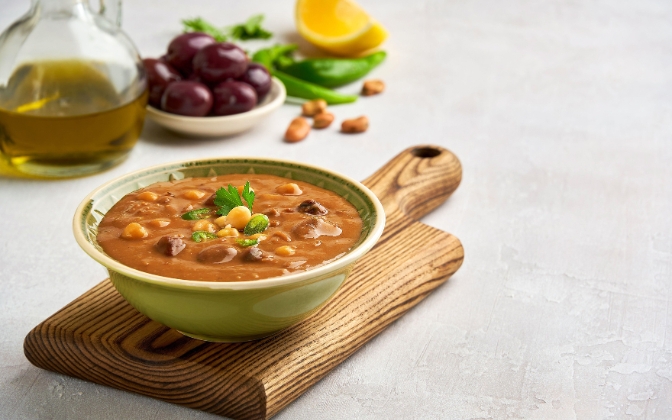
Also known as broad beans, fava beans have been cultivated in the Mediterranean for millennia.
They provide about ~13 g protein per cup cooked and are also sources of folate and iron.
How to use them: Young, fresh fava beans can be eaten raw. More mature beans are fantastic when blanched and added to salads or stewed with artichokes and dill (a classic Greek dish).
5. Farro (The Hearty Grain)
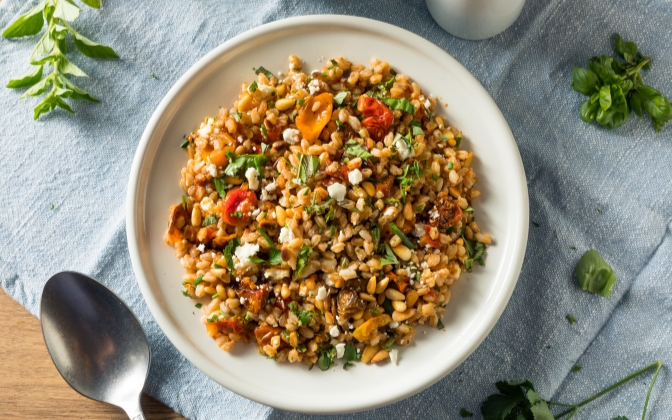
Don't sleep on whole grains! While we often think of them as “carbs,” ancient grains like farro are a fantastic source of protein and fiber.
Farro, a staple in Italy, delivers about ~11 g protein per cooked cup. Its nutty flavor and chewy texture make it far more satisfying than rice.
How to use it: Use it as a base for a grain bowl, in a “risotto” (called farrotto), or as a hearty addition to minestrone soup. It's one of the best plant proteins for the Mediterranean diet because it pairs so well with vegetables and legumes.
Try: Golden Farro Pilaf · Farro & Fennel Salad
6. Pistachios & Almonds (The Nutty Duo)
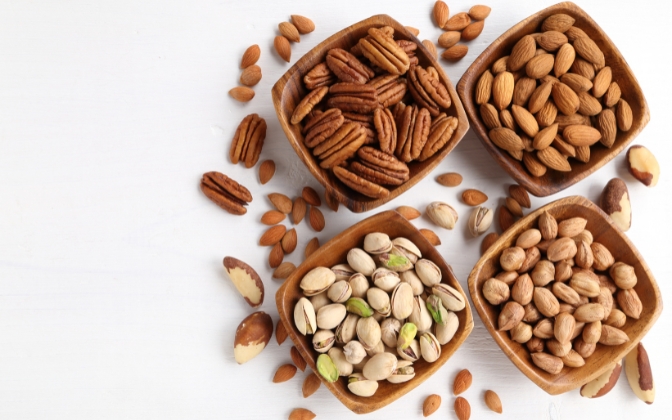
Nuts are a well-documented part of the Mediterranean pattern, and they’re a great way to boost your protein intake throughout the day.
Pistachios offer ~5.7 g protein per ounce, and almonds offer ~6 g per ounce. They’re also rich in monounsaturated fats associated with cardiovascular benefits in Mediterranean-style eating.
How to use them: Grab a small handful for a snack. Chop them and sprinkle over salads, yogurt, or oatmeal. Use ground almonds as a “breading” for baked vegetables.
Try: Pistachio Labneh · Pepper–Almond Dip
7. Hemp Seeds (The Modern Boost)
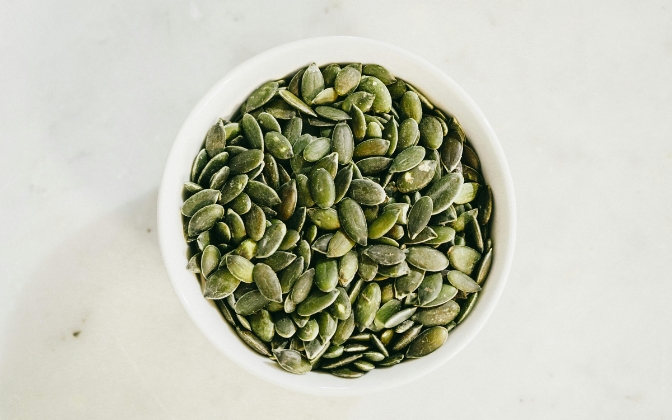
Okay, so hemp seeds aren't anciently Mediterranean. But they fit the diet's “whole food” ethos and are too good to ignore.
Three tablespoons (30 g) provide roughly 9–10 g protein and contain both omega-3 (ALA) and omega-6 (LA) fatty acids.
How to use them: This is the easiest one. You don't cook them. Just sprinkle them on… everything! Salads, avocado toast, oatmeal, smoothies. They add a rich, nutty flavor and a solid protein boost.
How Can I Get Protein on a Vegan Mediterranean Diet? (A Simple Guide)
So, what are the best plant-based proteins on the Mediterranean diet? The ones we just listed!
But how do you put it all together? It's easier than you think. You don't need to obsessively track every gram.
Here's my simple strategy:
- Build your plate around legumes. Make beans, lentils, or chickpeas the star of at least one or two meals a day.
- Combine your foods for flavor and variety. Classic pairs like grains with legumes are delicious—and as long as you eat a variety of plant proteins across the day, you’ll get all essential amino acids.
- Embrace nuts and seeds. Snack on almonds. Sprinkle hemp seeds on your oatmeal. Use tahini (sesame paste) for dressings. These small additions add up fast.
- Eat a wide variety. Don't just eat lentils. Mix it up! The more varied your diet, the more likely you are to get all the nutrients you need.
What Are High-Protein Mediterranean Foods Besides Tofu? (Quick List)
Sometimes you just need to see the numbers side-by-side. Here’s a quick comparison of our top contenders.
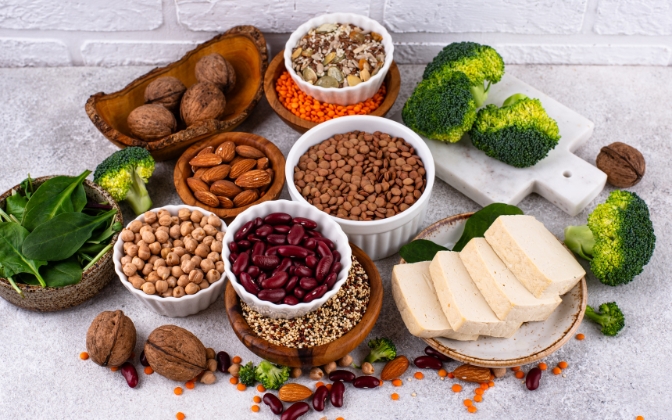
Protein Comparison (Approximate, per 1 cup cooked):
- Lupini Beans: ~25.8 g
- Lentils: ~17.9 g
- Chickpeas: ~14.5 g
- Fava Beans: ~12.9 g
- Farro: ~11 g
As you can see, legumes like lupini beans and lentils provide substantial protein within a Mediterranean pattern.
Final Thoughts: Your Soy-Free Mediterranean Journey
The bottom line is this: you can meet your protein needs on a Mediterranean diet without tofu.
By focusing on the diet's staples—legumes, ancient grains, nuts, and seeds—you'll not only meet protein needs but also get the fiber and micronutrients that make this way of eating so powerful.
So, go ahead and clear that tofu out of your cart. It's time to make room for some delicious, authentic, and truly powerful plant-based Mediterranean proteins.
![1[1]](https://cosmoglamor.com/wp-content/uploads/2025/10/11-150x150.jpg "The Top 7 Mediterranean Breakfasts That Aren't Eggs.")