
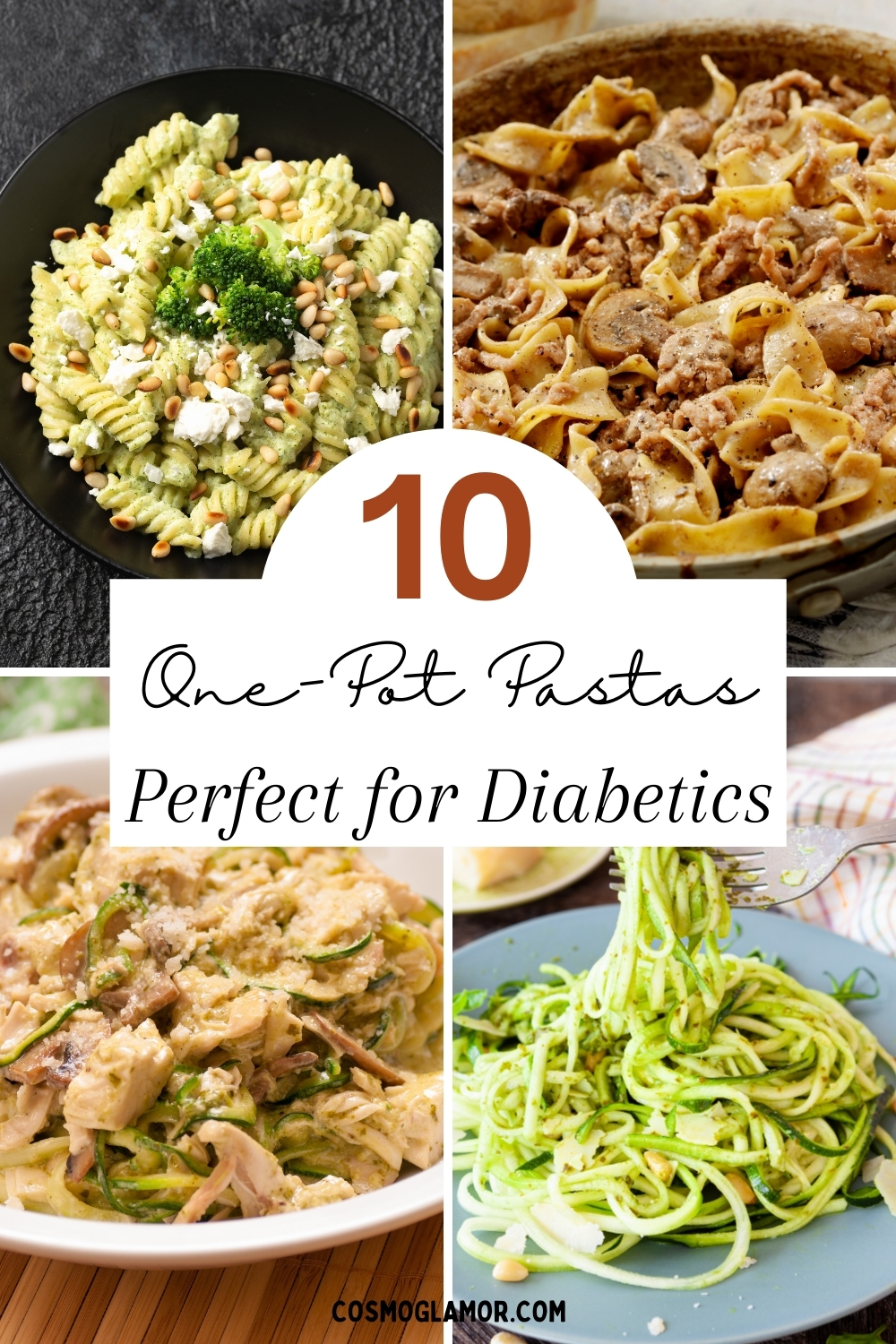
Finding diabetic one-pot pasta recipes that actually taste like a real dinner doesn't have to mean boiling separate pots of alternative noodles. I look for meals that build deep flavor in a single skillet while keeping the carbohydrate load mindful and the cleanup to an absolute minimum.
A quick note: The recipes below are curated for carbohydrate consciousness and steady energy, but everyone’s nutritional needs differ. This isn't medical advice; always consult your physician or registered dietitian for guidance specific to your health.
Skillet Meals Built for Steady Energy
Stovetop Keto Mac and Cheese
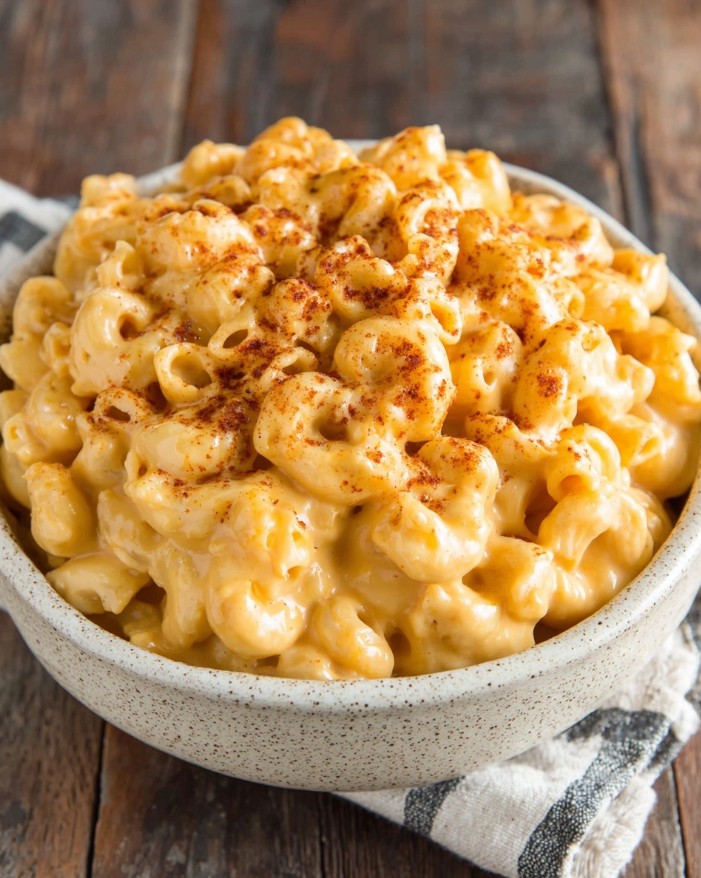
The comforting pull of real cheddar, built entirely on the stove in minutes. This bowl ditches traditional semolina for a high-fiber keto alternative, keeping the carbohydrate footprint minimal. I like to bloom a pinch of ground mustard in the pan first to cut through the richness. It slots beautifully into a blood-sugar-conscious week without feeling like a compromise.
Garlic Herb Shrimp with Zucchini Noodles

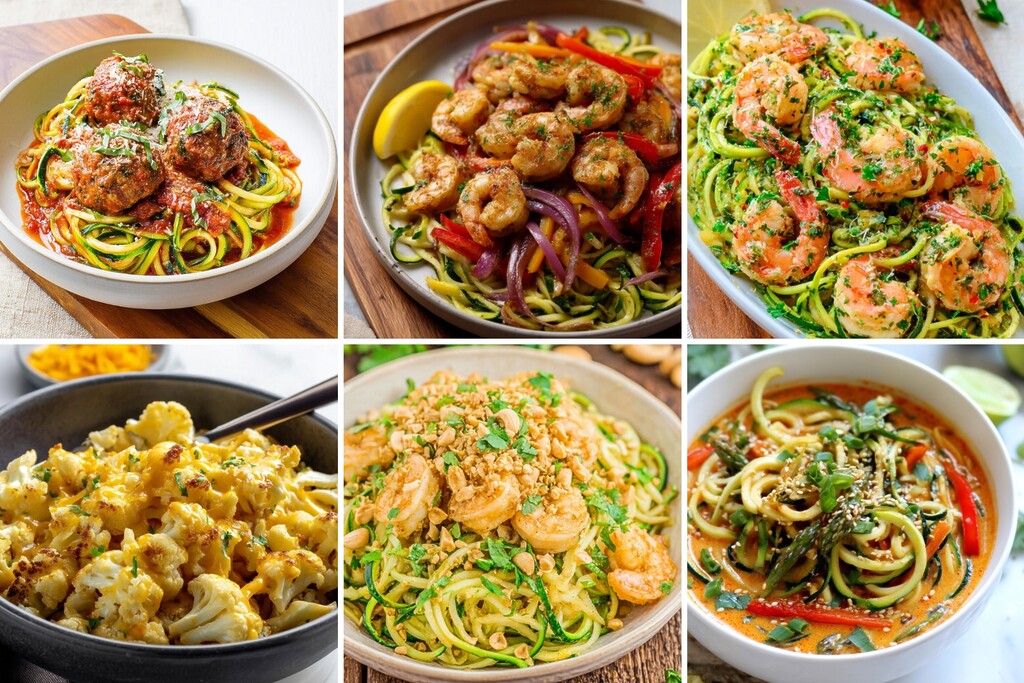
Succulent shrimp and a bright bell pepper medley roast together, acting exactly like a one-pot meal with barely any cleanup. Swapping heavy pasta for tender zucchini noodles keeps the base light, leaving the focus on the garlic-infused olive oil. A solid lean protein source that research suggests can help keep hunger steady long after dinner.
Shrimp Pad Thai Zucchini Bowls

Takeout cravings handled in under thirty minutes right on the stove. Sweet, savory, and bringing that essential peanut crunch, this stir-fry uses zucchini ribbons to hold the sauce instead of dense rice noodles. It delivers a serious protein punch, which is key for slowing down the body's digestive pace and keeping energy levels even.
Garlic Lemon Shrimp Spiral Skillet

A delicate, citrus-heavy dish that feels entirely effortless. Tossing fresh zucchini noodles directly into the pan with garlic and lemon builds a light pan sauce in seconds. If your zucchini tends to release too much water, simply pull the noodles a minute early to keep the texture firm and the sauce concentrated.
Creamy Red Curry Zucchini Bowls
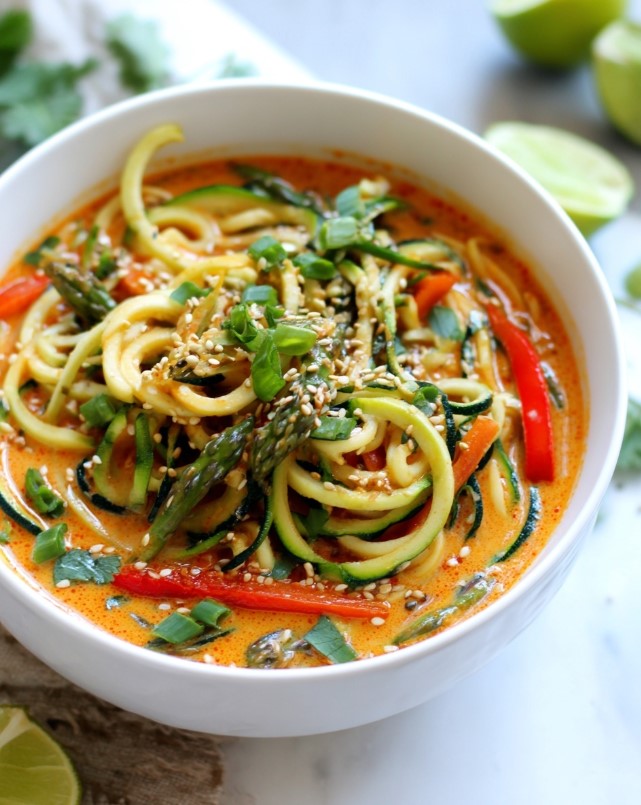
Blooming the curry paste in the hot skillet before adding coconut milk is the secret here—it pulls out a deeper, more resonant heat. This plant-forward bowl feels rich and indulgent, leaning on healthy fats rather than a heavy carbohydrate base. It’s a smart dinner choice for maintaining steady evening energy while still getting takeout flavor.
Classic Meatballs Over Zucchini Ribbons
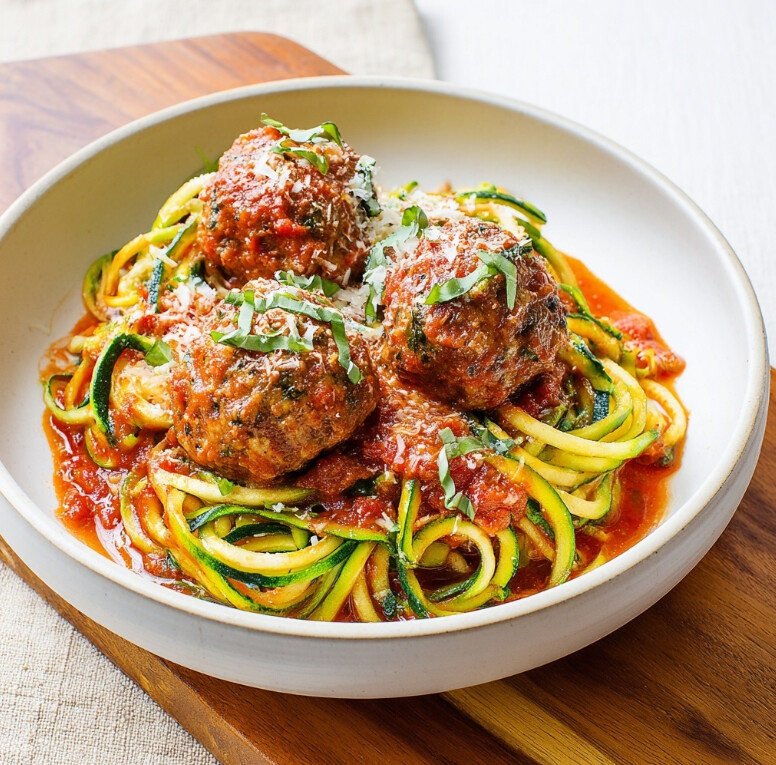
A deep, simmering tomato sauce anchoring perfectly seasoned meatballs in a single pan. Dropping zucchini ribbons into the hot sauce right at the end gently softens them without turning them to mush. It delivers the undeniable comfort of a Sunday Italian dinner with a fraction of the refined carbohydrates.
Roasted Cauliflower Cheddar Skillet

Sharp Dijon mustard and tender roasted cauliflower entirely change the landscape of a traditional cheese sauce. The florets grab onto the creamy cheddar perfectly, offering a comforting bite that fits easily into a carbohydrate-conscious eating pattern. Roasting the cauliflower first pulls out a nutty depth that boiling just can't match.
Whole-Grain and Skillet Additions
Whole-Wheat Penne Primavera with Shrimp
A bright skillet loaded with broccoli, spinach, and bell peppers cooking down in one pot. Relying on whole-wheat penne provides complex carbohydrates, and tossing the shrimp in at the end keeps them perfectly tender. That built-in fiber helps create a gentler digestion curve compared to standard white pasta.
One-Pan Turkey and Spinach Skillet
Lean ground turkey and fresh spinach simmer directly in the tomato sauce alongside linguine, infusing the noodles with deep flavor as they cook. It requires almost zero prep and delivers a massive hit of satisfying protein, which research shows is an excellent strategy to help keep evening hunger balanced.
Skillet Chicken and Pepper Orzo
Whole-wheat orzo acts as the grain base here, soaking up vibrant saffron and savory turkey sausage drippings right in the skillet. The extra fiber from the whole grains and peppers means you get a hearty, Spanish-inspired dinner that naturally aligns with thoughtful carbohydrate pacing.
The Carbohydrate-Conscious Mechanics
When you take traditional white pasta out of the skillet and replace it with zucchini ribbons, cauliflower florets, or whole grains, you're doing more than cutting calories. A quick mechanism note: high-fiber alternatives physically slow down how quickly your body breaks down food into glucose. This slower digestion process is generally considered a highly effective way to support steady energy levels, aligning closely with structures like the American Diabetes Association Plate Method. You get the comfort of a big, warm bowl without the sudden crash that often follows a heavy starch dinner.
Quick Questions on Skillet Swaps and Fiber
- How do I keep zucchini noodles from getting soggy in the pan? Zucchini releases water as it cooks. Keep your cooking time brief—usually no more than two to three minutes. If you are simmering a sauce, add the zoodles at the absolute last minute, just long enough to warm them through.
- Can I swap the vegetables for bean-based pastas? Absolutely. Pastas made from chickpeas or lentils offer excellent protein and fiber. Just remember that they still carry a carbohydrate load, so you'll want to check the label and portion them accordingly to fit your personal targets. For more on how fiber supports a healthy eating pattern, this scientific review explains its effect on glycemic response.
Keeping a heavy-bottomed skillet and a spiralizer handy means a satisfying, fiber-forward dinner is never more than thirty minutes away.
The recipes and context shared in this collection are for informational and educational purposes only, and are never a substitute for professional medical, dietary, or nutritional advice. Individual carbohydrate tolerances and metabolic responses vary widely. If you are managing a diagnosed condition like diabetes or are taking prescribed medication, please consult your physician or a registered dietitian before making meaningful adjustments to your eating habits. These statements have not been evaluated by the FDA and are not intended to diagnose, treat, cure, or prevent any disease. Nutritional values are estimates provided by the original recipe developers.