I used to stand in my kitchen, staring at a box of penne, hoping it would magically lose its carb count. When you realize your blood sugar or your energy levels need a serious intervention, the hardest part isn't the decision itself. It's figuring out how to eat a normal Tuesday night dinner. Finding low carb food swaps that don’t taste like a punishment took me months of trial and error, and a lot of soggy vegetables. Now, usually with my Golden Retriever Barnaby hoping I drop a piece of cheese, I rely on a few specific pantry shifts that keep my meals grounded and my cravings quiet.
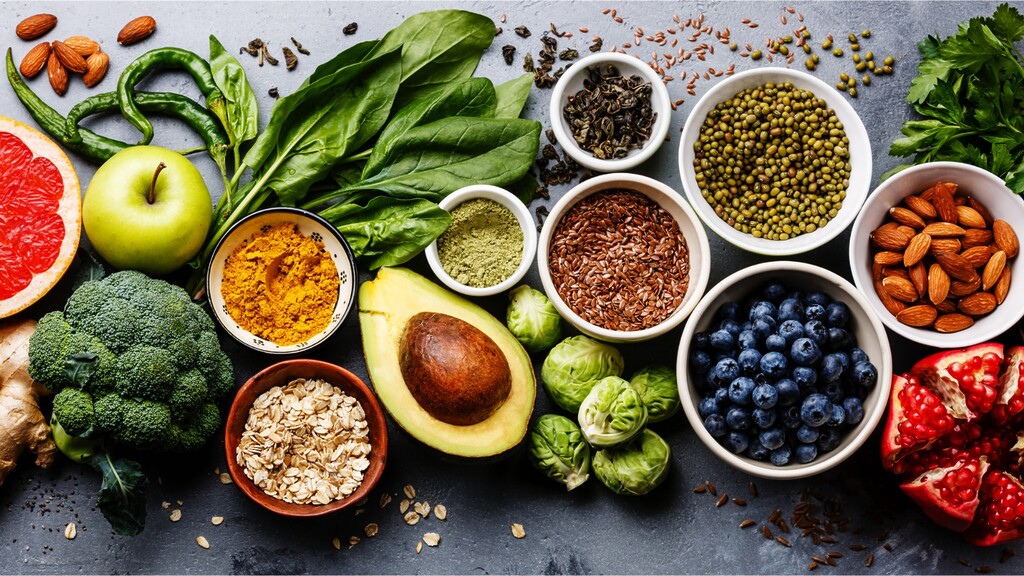
The trick to making this lifestyle stick isn't endless willpower. It is identifying what you actually miss when a craving hits. Are you missing the bread itself, or do you just need a sturdy vehicle for your turkey and mustard? Do you want a potato chip, or do you just want a salty crunch while you watch a movie? When you replace the function of the food, you rarely miss the original.
Low Carb Bread Alternatives That Actually Hold Together
We usually use bread as an edible napkin. It keeps our hands clean while we eat the good stuff inside. You have a few solid options that are easier on blood sugar than regular bread and won't fall apart on the first bite.
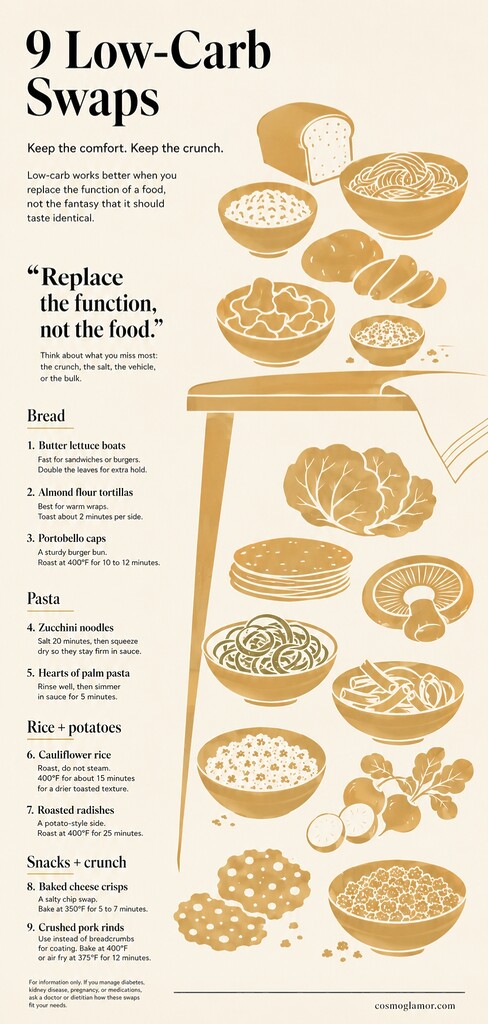
Butter lettuce boats are the absolute fastest option for a cold cut sandwich or a burger. The structure of a butter lettuce leaf is naturally cupped, meaning it holds mayonnaise and meat juices without tearing the way iceberg does. Just double them up for extra stability.
If you need something hot, almond flour tortillas are the workhorse of a low-carb kitchen. You can find them in most grocery stores now, or press your own by mixing one cup of almond flour, one egg, and a pinch of salt. They brown beautifully in a dry skillet over medium heat for about two minutes per side, which gives them the toasted flavor you want for a breakfast burrito.
For a sturdy burger bun, roasted portobello mushroom caps hold up to heavy patties and melted cheese. Brush the outside with olive oil and bake them open-side up at 400°F for 10 to 12 minutes until they are tender but not entirely collapsed.
Low Carb Pasta Alternatives That Don't Turn to Mush
Pasta is pure comfort, but it's really just a delivery system for sauce and cheese. The biggest mistake people make with low carb pasta alternatives is treating them exactly like wheat noodles.
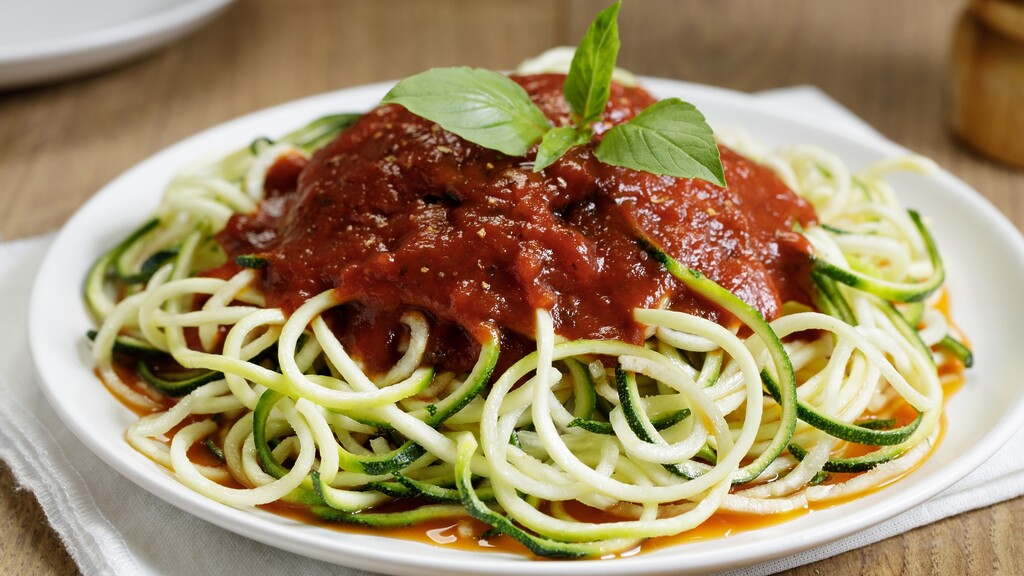
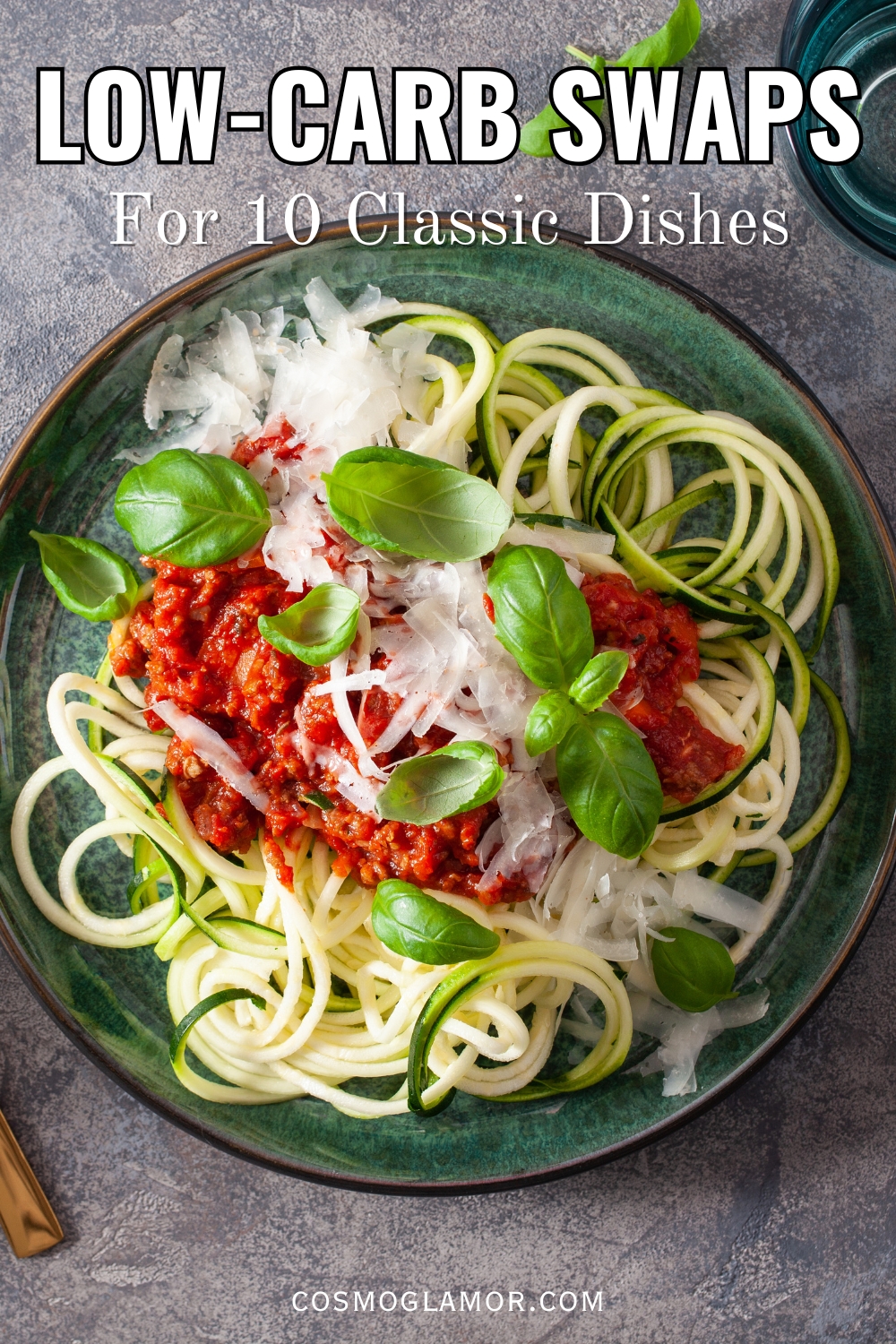
Zucchini noodles (Zoodles) are fantastic, provided you prep them right. If you just throw raw spiraled zucchini into a hot pan of marinara, you will end up with vegetable soup. Toss your raw zoodles with a heavy pinch of salt and let them sit in a colander for twenty minutes. The salt draws the excess water out through osmosis. Squeeze them dry in a paper towel, and they will stay firm enough to hold up to your heaviest meat sauce.
If you don't want to mess with prep, grab a can of hearts of palm pasta. It comes pre-cut into linguine shapes. It has a slightly briny taste out of the can, so rinse it thoroughly under cold water, then simmer it directly in your sauce for five minutes so it absorbs the flavor instead of tasting like a salad topping.
Low Carb Rice & Potato Alternatives
Starches are bulk ingredients. They fill out a bowl and soak up curry, soy sauce, or gravy.
Cauliflower rice is the undisputed champion here, but how you cook it dictates whether your family will actually eat it. Stop steaming it in the microwave bag. Spread the riced cauliflower out on a sheet pan, drizzle it with olive oil, and roast it at 400°F for about fifteen minutes. The dry heat evaporates the moisture and helps keep the sulfurous, cabbage-like smell in check. You get a nutty, slightly toasted base that mimics the mouthfeel of brown rice.
If you miss diced roasted potatoes with your Sunday eggs, try roasted radishes. Toss halved red radishes in olive oil, salt, and pepper, then roast at 400°F for 25 minutes. The oven heat entirely cooks out their peppery bite, leaving a mild, starchy texture that acts exactly like a roasted red potato.
The biggest mistake with healthy swaps isn't lacking willpower. It's expecting a vegetable to magically turn into a starch. Identify what you actually miss: the crunch, the salt, or the vehicle for the sauce, and replace the function, not the food.
Healthy Low Carb Swaps for Snacking
This is where most people abandon ship. At 3:00 PM, you don't want a complicated recipe. You just want to open a bag and eat something loud.
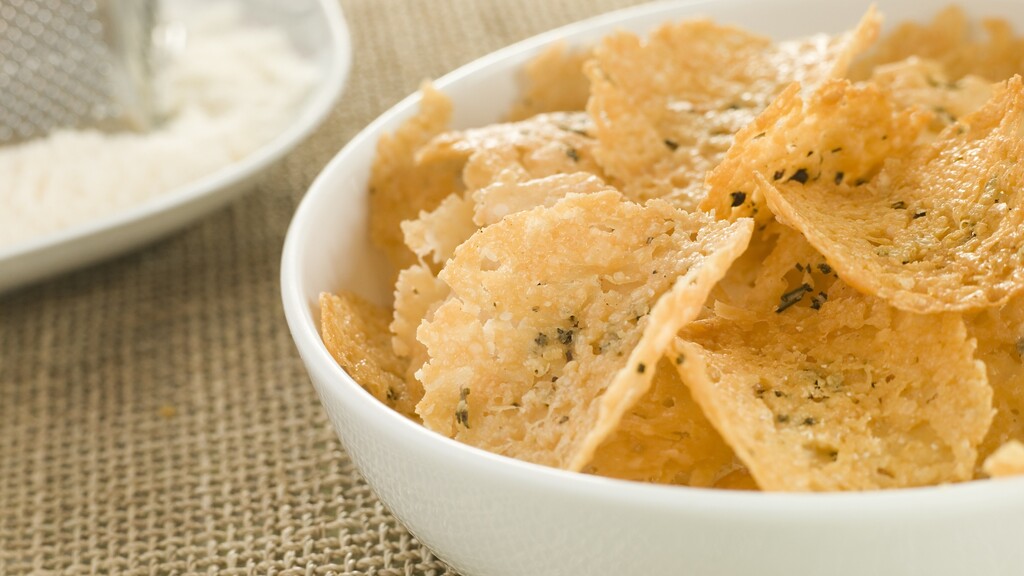
When the craving for chips hits, baked cheese crisps are your best defense. You can buy them bagged, or just place small mounds of shredded cheddar on a parchment-lined baking sheet and bake at 350°F for 5 to 7 minutes until the edges turn brown. As the cheese cools, the proteins contract and harden, leaving you with a shatteringly crisp cracker that has practically zero carbs.
To replace breadcrumbs on chicken tenders or casseroles, use crushed pork rinds. Pulse them in a food processor, coat your chicken, and bake at 400°F or air fry at 375°F for 12 minutes. They contain no carbohydrates and crisp up exactly like traditional panko.
Frequently Asked Questions
Do these swaps actually taste like the real thing?
No, and it's better to be honest about that upfront. A lettuce wrap is never going to taste like a sourdough baguette. But it will give you the satisfying crunch and hand-held convenience you want from a sandwich. If you expect an exact flavor match, you'll be disappointed. If you look for a satisfying way to eat your favorite fillings, you'll be thrilled.
Will increasing my fiber with these vegetable swaps upset my stomach?
It might, if you rush it. Going from a diet high in refined pasta to one heavily reliant on raw cauliflower and massive amounts of leafy greens can cause temporary bloating. Introduce these vegetable-heavy swaps slowly over a few weeks, and drink plenty of water so your digestion has time to adapt.
Your kitchen doesn't have to feel like a compromise. Start with just one of these swaps this week, figure out the seasoning that makes it work for you, and let your routines shift on their own schedule.
Sources
- Dietary advice for individuals with diabetes – Endotext, NCBI Bookshelf, 2024.
- Evaluation of osmotic dehydration in plant tissue – Processes, 2020.
- Taste and flavour perceptions of glucosinolates – Molecular Nutrition & Food Research, 2018.
- Nutrition facts for plain pork skins – USDA Standard Release via MyFoodData, accessed 2026.
- Dietary fiber: essential for a healthy diet – Mayo Clinic, 2025.