

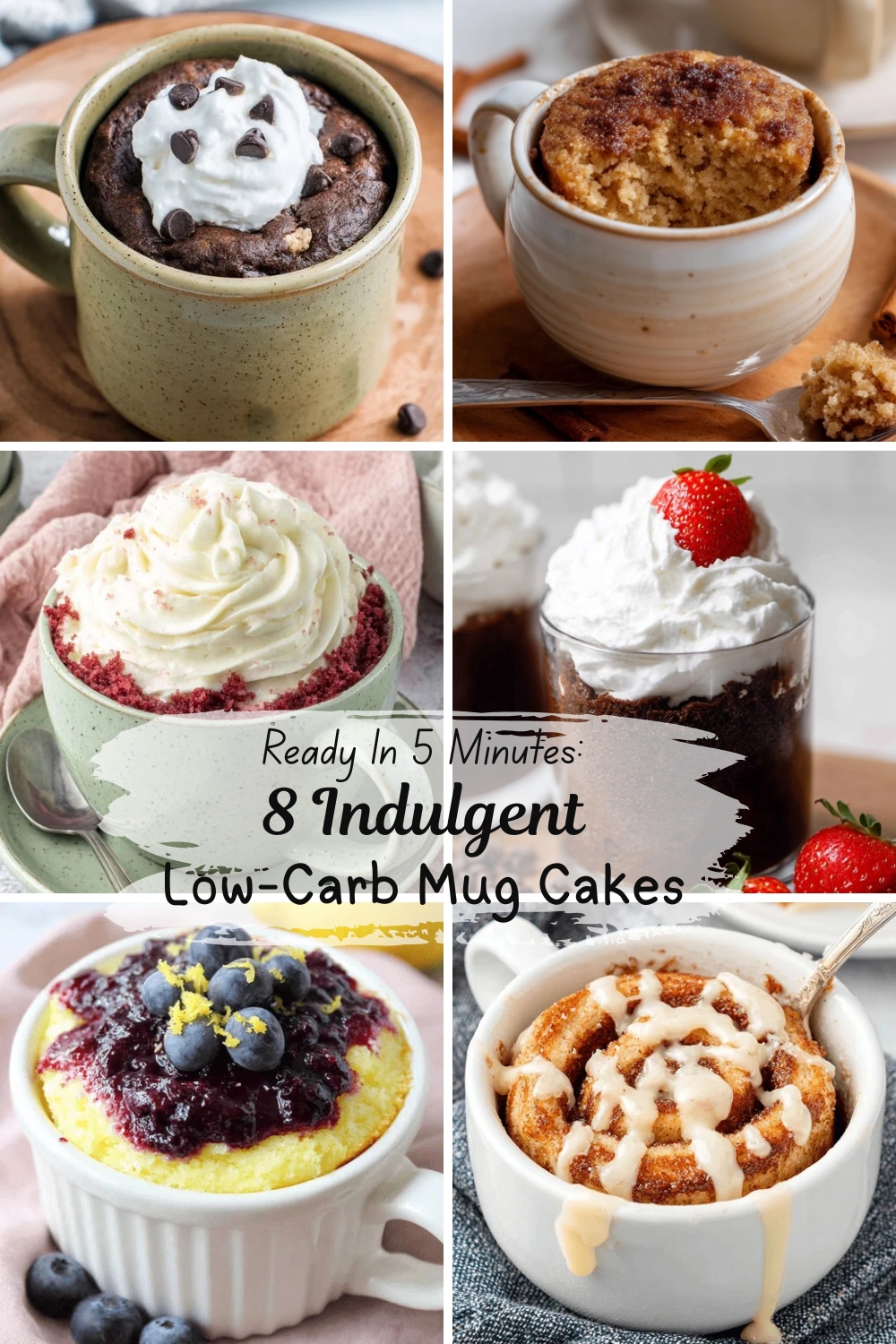




8 PM cravings demand speed, not rubbery sponges. These low carb mug cake recipes yield moist, fluffy crumbs in under two minutes. Whether you crave molten chocolate or spiced cinnamon, get warm, spoonable comfort without the tempting leftovers.

Why These Little Cakes Are a Big Deal
I love these recipes because they solve the “dessert dilemma” without any fuss. Here is why they are staples in my kitchen:
- Built-In Portion Control: Since you are making just one serving, there are no leftovers calling your name from the counter. It is a satisfying start and finish.
- Smart Ingredients: These recipes swap traditional flour and sugar for almond flour, coconut flour, and natural sweeteners. They focus on healthy fats and protein to keep you feeling full.
- Zero Wait Time: Forget preheating the oven. These come together in a microwave in minutes, meaning instant gratification is actually a healthy option.
The Recipes
One-Bowl Chocolate Peanut Butter Mug Cake
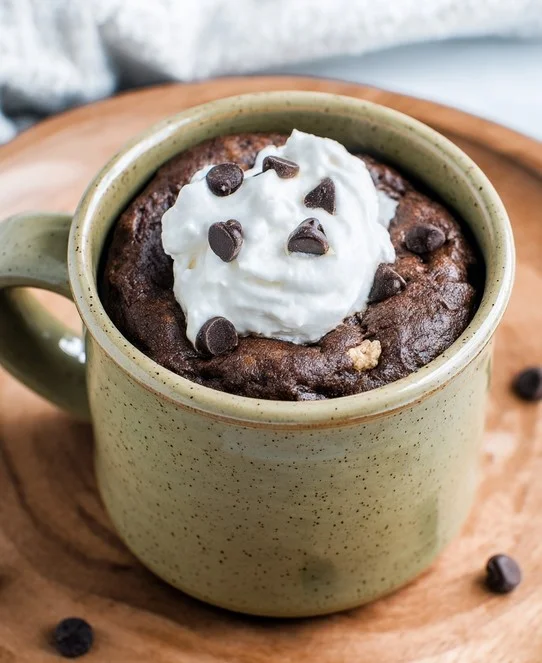
This rich cake is the perfect answer to a chocolate craving, coming together in minutes with minimal cleanup. The addition of instant espresso powder deepens the chocolate notes, making it a truly decadent experience that pairs perfectly with the creamy peanut butter swirl.
One-Bowl Keto Cinnamon Roll Mug Cake
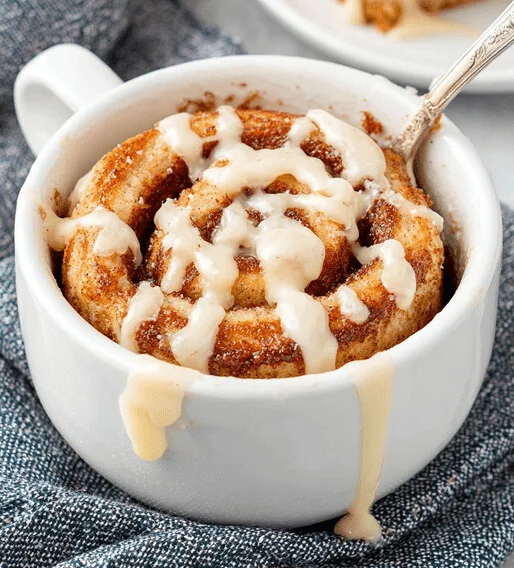
Craving the warm, gooey goodness of a cinnamon roll without the hassle? This recipe captures that classic essence in a low-carb cake made in a single mug. The creamy cheese glaze melts beautifully over the spiced sponge for a cozy, comforting treat.
Vanilla-Almond Chocolate Chip Mug Cake
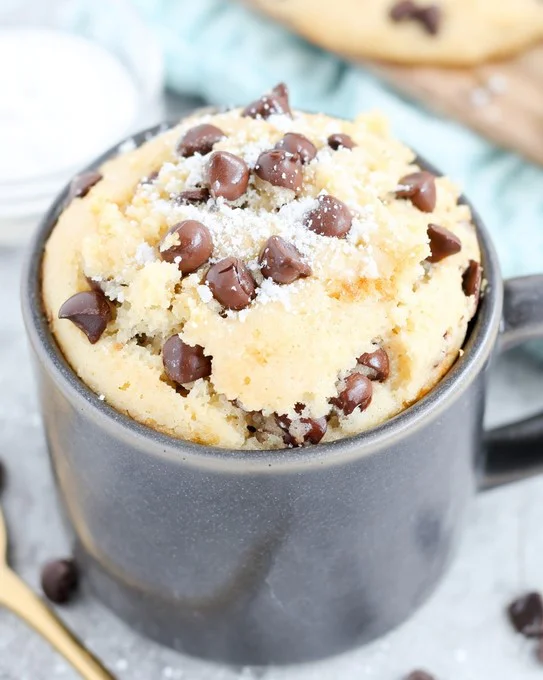
This quick mug cake features a soft, moist crumb with rich vanilla-almond notes. It is studded with melty sugar-free chocolate chips that create pockets of sweetness in every bite, offering that classic cookie flavor without all the added sugar.
Easy Red Velvet Mug Cake (Keto-Friendly)

Enjoy a decadent, single-serving red velvet cake that is ready in minutes. The vibrant color and subtle cocoa flavor are perfectly complemented by a rich cream frosting, making it a beautiful and satisfying option for a low-carb lifestyle.
Quick Keto Chocolate Fix

When you need a chocolate hit fast, this recipe delivers. It cooks in your microwave in just minutes, resulting in a deeply chocolatey sponge that you can enjoy as one large serving or split for a lighter snack. It is simple, effective, and delicious.
Keto Lemon Blueberry Mug Cake
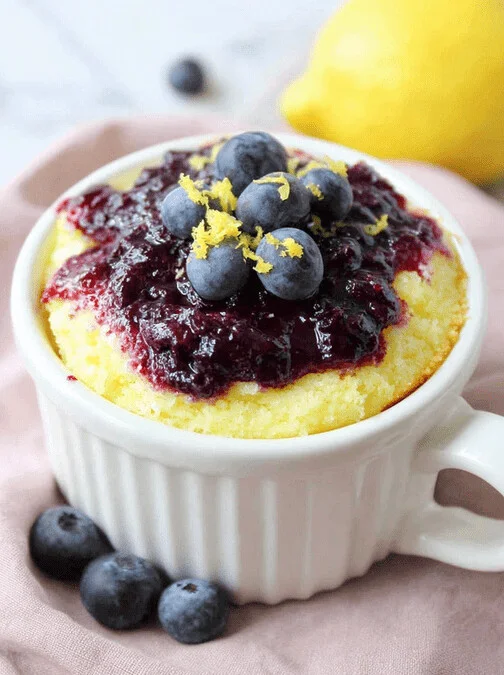
If you prefer fruit over chocolate, this bright mug cake is for you. Fresh lemon zest and juicy blueberries create a refreshing burst of flavor in every bite. It is mixed and cooked right in the mug for the easiest cleanup imaginable.
5-Minute Keto Cinnamon Mug Cake

This spiced cake is perfect for a cozy afternoon or evening treat. With warm cinnamon and nutmeg, it offers a comforting aroma and taste that feels like a hug in a mug. It’s quick, satisfying, and totally low-carb friendly.
Rich Cocoa-Almond Mug Cake
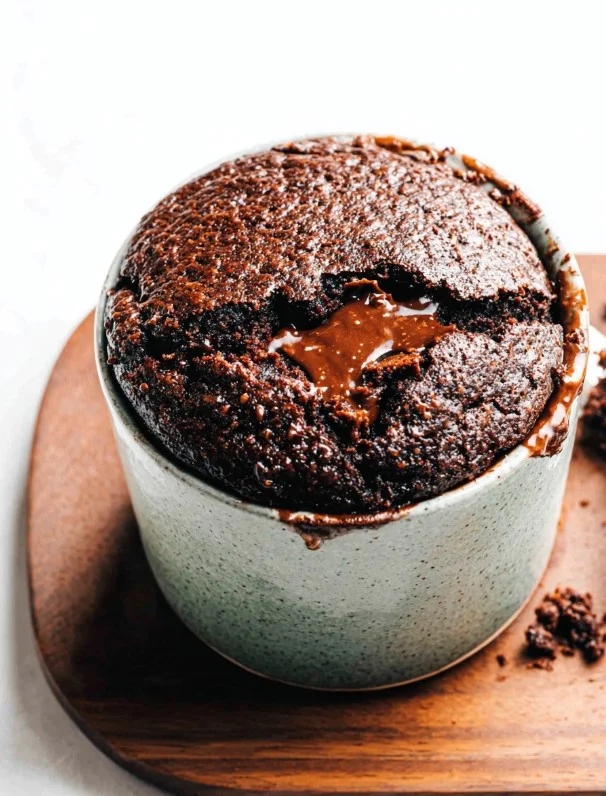
This deeply satisfying mug cake is boosted with flaxseed for extra texture and nutrition. It delivers a powerful cocoa punch that feels incredibly indulgent, yet it is designed with fiber-rich ingredients to be a smart choice for balanced snacking.
Serving Suggestions & Tips
Even though these cakes are simple, a few small tweaks can take them from “good” to “bakery-level” delicious.
- Don't Overcook: Microwaves vary wildly in power. Start with the lowest suggested time. If the center looks slightly wet, that is okay—it will firm up as it cools, keeping the cake moist rather than rubbery.
- Creamy Toppings: I love adding a dollop of whipped cream (unsweetened or keto-friendly) or a spoonful of Greek yogurt. It cuts the richness and adds a lovely temperature contrast.
- Flour Matters: Use “superfine” blanched almond flour rather than almond meal. The finer texture makes a huge difference in creating a light, fluffy sponge that feels like real cake.
Final Word
These mug cakes have been a total game-changer for my evening routine, letting me enjoy a warm, homemade treat without the guilt or the cleanup. Whether you are Team Chocolate or Team Fruit, there is something here to make your day a little sweeter. Which one will you try first? Let me know in the comments or save this list to Pinterest for your next craving!
Remember, these are just my kitchen adventures—chat with your doctor for personalized tips!
- Save for Later107.2K




4 Responses
Okay, I’m intrigued… but also skeptical. A cheesecake in the microwave in 2 minutes? That sounds like something that could either be amazing or a rubbery disaster. Has anyone actually tried that one? Also, I’m a bit of a chocolate addict. Is the chocolate chip mug cake REALLY chocolatey enough, or will I be left wanting more? And can I add extra chocolate chips? 😉
Mille, I totally get the skepticism! Microwave cheesecake does sound a bit wild, but I promise it works! It’s more of a ‘cheesecake-like’ texture, think creamy and rich, but not quite as dense as a traditional baked cheesecake. As for the chocolate chip mug cake – YES, it’s pretty chocolatey, especially if you use good quality sugar-free chocolate chips. And absolutely, add extra! I always do. Maybe even a few sugar-free chocolate chunks for good measure. 😉 Live your best chocolate life!”
These all sound great, but I’m a little overwhelmed by all the different flour options. Almond flour, coconut flour… which one is actually better for diabetics? And is there a big difference in taste? I’ve also had some bad experiences with sugar substitutes leaving a weird aftertaste. Any recommendations for the best-tasting ones that won’t make my mug cake taste like a science experiment? I’m aiming for delicious, not ‘diet’ delicious, you know?
Susan, excellent questions! Both almond and coconut flour are great low-carb options, but they do have slight differences. Almond flour is generally a bit higher in protein and fiber, while coconut flour is lower in carbs but can be a bit drier (so you might need a touch more liquid in the recipe). Taste-wise, almond flour is pretty neutral, while coconut flour has a subtle coconut flavor (which can be lovely in the right recipe!). As for sugar substitutes, I’ve found that erythritol and stevia blends tend to have the least aftertaste. Monk fruit sweetener is another good option. The key is to experiment and find what you like best. Start with a smaller amount than the recipe calls for and add more to taste. And don’t worry, we’re definitely aiming for delicious delicious!