

Finding diabetic smoothie recipes that actually taste good and don't leave you crashing by 10 a.m. can feel like a puzzle. By focusing on fiber, protein, and healthy fats rather than leaning on juice or excess fruit, we can build a glass that delivers real satisfaction and steady energy.
A quick note: The recipes below are curated for those mindful of their sugar intake, but this is not medical or nutritional advice. Everyone's needs vary, so please consult your own doctor or registered dietitian before making meaningful dietary changes, especially if you have a diagnosed condition or take medication.
Building a Smarter Glass: The Mechanics of a Steady Blend
A great smoothie shouldn't act like a dessert in disguise. When we just blend up a pile of sweet fruit, liquids, and honey, the body processes those carbohydrates rapidly. Research suggests that pairing carbohydrates with protein, fiber, and fat slows down gastric emptying. That slower digestion is what helps provide a steadier release of energy.
I usually pin my favorites to a dedicated meal-prep board so I don't have to overthink my mornings. When selecting recipes, I look for ingredients that do heavy lifting. Avocados, nuts, seeds, and leafy greens are brilliant here. The American Diabetes Association emphasizes fiber as a key component for anyone watching their carbohydrates, and tossing a handful of spinach or a scoop of chia seeds into your blender is one of the easiest ways to get it.
Navigating the Blender: Common Questions
Is fruit completely off the table?
Not at all. Berries are generally considered an excellent choice because they bring flavor and antioxidants while packing a solid amount of fiber. The trick is portion size and what you pair the fruit with. Mixing a half-cup of blueberries with Greek yogurt and flaxseed creates a completely different nutritional profile than blending three bananas with apple juice.
What should I use for a liquid base?
Unsweetened almond milk, soy milk, coconut milk, or even plain water are your best friends here. Many commercial oat milks and juices carry a surprising amount of added sugars that can easily sneak into a morning routine.
Our Top Nutrient-Dense Blends
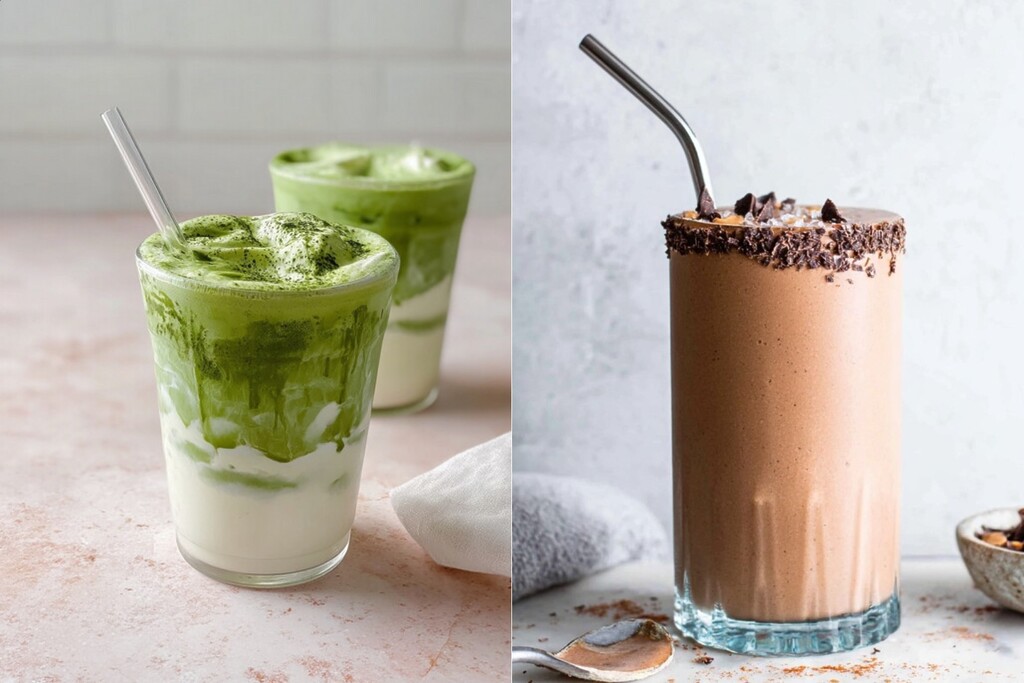
Creamy Keto Chocolate Peanut Butter Cup Smoothie
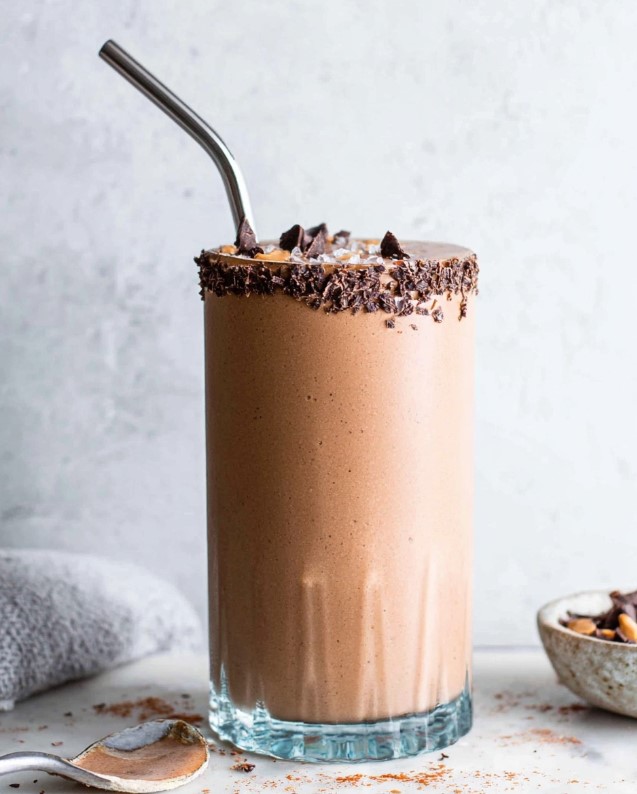
This velvety, thick blend tastes remarkably like a peanut butter cup but leans heavily on healthy fats to keep you moving. Adding a touch of vanilla and sea salt makes the cocoa pop without reaching for extra sugar. A solid pick when you need quick, satisfying fuel that slots perfectly into a carbohydrate-conscious morning.
Green Cloud Keto Collagen Smoothie

A layered, refreshing green drink using matcha and zucchini for bulk without the carbohydrate load. Collagen peptides slip right in for an unnoticeable protein boost. The creamy coconut adds the fats needed to slow digestion. I love using frozen zucchini here—it creates a milk-shake texture without changing the flavor profile at all.
More Fiber-Forward and Low-Sugar Options
Superfood Spinach and Berry Blend
Vibrant blueberries and spinach give this simple mix a gorgeous deep purple hue. Relying on unsweetened almond milk keeps the base light, while the natural sweetness of the berries does the heavy lifting. It comes together fast and delivers a solid four grams of fiber to start the day.
Summer Fruit Flex Smoothie
Bright peach and berry notes make this light, sunny drink feel like a treat. Adding flax brings essential fatty acids to the table, helping to give the smoothie more staying power. With zero added sugars, it fits seamlessly into a carbohydrate-conscious afternoon.
Strawberry Peach Almond Smoothie
A frothy, tangy option that leans on Greek yogurt for a satisfying creamy texture. The yogurt brings protein to the glass, balancing out the fresh strawberries and peaches. Coming in lower on the carbohydrate side, it works perfectly as a mid-morning bridge.
Moroccan-Inspired Avocado Blend
Rich and exceptionally smooth on the palate, this avocado-based drink delivers serious healthy fats. Swapping standard milk for unsweetened almond milk keeps the carbohydrate count lower. The fats here are brilliant for slowing down digestion, making this a truly functional pick.
Blueberry Green Tea Power Shake
Earthy green tea meets a massive protein hit in this dense, fulfilling shake. Tofu and whey protein team up to deliver staying power, while cashews lend richness. If you need a meal-replacement option that won't send your morning off course, this robust formula does the job.
Cozy Pumpkin Pie Smoothie
Warming spices and real pumpkin purée give this a decadent, autumnal feel without the pastry crash. The combination of Greek yogurt and flax builds a solid protein and fiber foundation. It is incredibly comforting on a cool morning when you want seasonal flavors paired with smart nutrition.
Wild Blueberry Lime and Flax Blend
A surprisingly zesty kick of lime wakes up the deep, antioxidant-rich wild blueberries. Adding almond flour directly into the blender is a clever way to introduce healthy fats and texture. The flax provides a solid fiber contribution to help keep things steady.
Minty Raspberry Coconut Smoothie
Sharp, tart raspberries cut beautifully through the lush coconut milk in this dairy-free option. Tofu serves as an invisible thickener that bumps up the protein content without adding carbohydrates. It is a brilliant strategy for keeping net carbs under ten grams.
Hydrating Watermelon Lime Cooler
Crisp and intensely refreshing, this is less of a thick meal replacement and more of a restorative beverage. By using soy milk and stevia alongside the fresh watermelon, it stays incredibly light. Perfect for a hot afternoon when you want flavor without a heavy macro footprint.
Carrot Cake Inspired Blend
Earthiness from the carrots pairs with ginger and cinnamon to recreate a spiced dessert profile. Nut butter and Greek yogurt anchor the drink, providing the fat and protein needed to align with a balanced eating pattern. A fun, slightly unconventional way to get vegetables in early.
Creamy Vanilla Spinach Shake
Avocado and nut butter give this simple green drink a profoundly silky, rich mouthfeel. It is completely unsweetened save for a low-carb alternative, allowing the vanilla notes to shine. The healthy fats here do an excellent job of promoting a feeling of fullness.
Vegan Strawberry Almond Blend
A splash of lemon juice cuts the richness of the almond butter and tofu, leaving a bright, balanced finish. Tofu is an underrated ingredient in smoothies, offering a fantastic protein source for plant-based eaters while keeping the net carbs nicely managed.
Coconut Blueberry Protein Shake
Deeply satiating, this blend leans heavily on full-fat coconut milk to deliver a luxurious, dessert-like texture. Pea protein builds the nutritional backbone, ensuring you get the necessary amino acids without relying on dairy. It sits beautifully within a tighter carbohydrate framework.
Almond Butter Green Drink
Spinach completely disappears into the background, overpowered by the nutty, roasted flavor of almond butter. Clocking in with minimal sugars, this is a highly efficient way to transport protein and fiber. It's a staple when you need reliable fuel quickly.
Dairy-Free Leafy Green and Avocado Shake
Packed with kale and spinach, this green option tastes remarkably fresh thanks to a generous handful of mint. The avocado brings extraordinary fiber and fat, dropping the net carbohydrates incredibly low. It is an assertive, deeply functional choice for those strictly watching their macros.
Strawberry Banana Protein Blend
By using just a small amount of banana, you keep the classic nostalgic flavor while managing the carbohydrate load. Protein powder and flaxseed fortify the mix, pushing the protein count up significantly. A smart compromise when you crave something traditional but need it to work harder for you.
Five-Ingredient Strawberry Yogurt Blend
Simplicity is the real draw here, featuring a clean, straightforward berry taste. Relying on plain yogurt and a touch of vanilla creates an unfussy base that doesn't need added sugar to shine. It is a perfect, fast option when the pantry is running low.
Mango Raspberry Avocado Smoothie
The tropical brightness of mango gets a textural upgrade from avocado, resulting in a thick, vibrant pour. While fruit-forward, the healthy fats present help modify how quickly the body responds. If you have room for a slightly higher carbohydrate choice, this offers great fiber.
Berry Cauliflower Hidden-Veggie Shake
Using frozen riced cauliflower is an incredibly smart trick—it adds frosty volume and creaminess without altering the sweet berry profile. It sneaks in extra nutrients seamlessly. Pair it with a small handful of nuts on the side for an even sturdier morning plan.
Berry Spinach and Flax-Oil Blend
A splash of flaxseed oil is the workhorse here, delivering a concentrated dose of heart-healthy fats to a classic berry-spinach base. The yogurt ensures the texture stays smooth and satisfying. It is a thoughtful, comprehensive approach to blending.
I hope this clears up how easy it can be to build a satisfying, functional drink. Once you master the basic ratio of greens, fats, and mindful protein, the variations are truly endless.
This content, including recipe analysis and physiological descriptions, is for informational and educational purposes only. It is not intended as a substitute for professional medical, dietary, or nutritional advice, diagnosis, or treatment. Nutrition values are estimates and can vary based on ingredients used. Individuals with a diagnosed health condition, or those taking medications, should consult their physician or registered dietitian before making changes to their routine.
- Save for Later7.6K

12 Responses
This is such a great resource! I’m always looking for new diabetic-friendly recipes. I’m a little confused about the “superfood” label, though. What exactly makes a food a “superfood,” and are they really that much better for you?
Hi Lisa, I’m glad you found the article helpful! That’s a great question about superfoods. The term “superfood” is more of a marketing term than a scientific one. It generally refers to foods that are packed with nutrients like vitamins, minerals, antioxidants, and fiber. While there’s no official definition, these foods are considered beneficial for overall health. They’re not necessarily a magic bullet, but they are nutrient-dense options that can be a part of a healthy diet, especially for people managing diabetes. Think of them as foods that give you a lot of bang for your buck, nutritionally speaking.
These smoothie recipes sound delicious, but I’m on a tight budget. Some of these ingredients, like chia seeds and almond butter, can be expensive. Do you have any tips for making these smoothies more affordable?
Hi Sarah, That’s a great point – healthy eating shouldn’t break the bank! You can definitely make these smoothies more budget-friendly. Consider buying frozen fruits and vegetables, which are often cheaper than fresh and just as nutritious. You can also look for sales and coupons on things like nuts and seeds, or buy them in bulk if you have the storage space. Plain yogurt can be used as a cheaper alternative to Greek yogurt. Also, don’t be afraid to substitute ingredients based on what you have on hand or what’s on sale. The most important thing is to focus on whole, unprocessed foods whenever possible.
Okay, these smoothies sound pretty good, especially the chocolate ones (I’m a chocoholic, what can I say?). But seriously, I’m always worried about fruit in smoothies because of the sugar. You mention sticking to ½ to 1 cup, but what if I have a really big blender? Does that mean I can make a giant smoothie and technically still be within the limit? Asking for a friend… who is also me. Also, cilantro in a smoothie? That’s a new one. Does it really not taste like soap?
Hi Patricia, thanks for your comment! I understand the chocolate cravings – who doesn’t love a good chocolate fix? Regarding the fruit and blender size, unfortunately, a bigger blender doesn’t give you a free pass to Smoothie Mountain. The ½ to 1 cup serving recommendation refers to the amount of fruit per serving, not the total volume of the smoothie. So, even if you make a giant smoothie, you still want to stick to that fruit limit for each serving you pour out. Otherwise, you might experience a blood sugar rollercoaster, which is no fun.
As for the cilantro, I know it can be a bit polarizing! Some people have a genetic predisposition that makes it taste soapy, but in small amounts, especially when blended with other strong flavors like avocado and lime, it adds a lovely fresh, citrusy note. It doesn’t usually taste like soap to most people in these recipes. But if you are one of the unlucky ones, parsley is a great substitute! Give it a try; you might be pleasantly surprised!
These are some interesting combinations! I’m always looking for ways to sneak more greens into my diet without, you know, actually tasting the greens too much. The “Mint Chocolate Green Smoothie” sounds promising – anything that disguises kale as a dessert is a win in my book. But I’m curious, what kind of protein powder do you recommend? There are so many out there, and some of them have added sugars or artificial sweeteners, which I’m trying to avoid. Also, for the nut butters, should we be using the natural kind (you know, the kind that separates and you have to stir vigorously) or is the no-stir kind okay? My arm gets tired just thinking about it.
Hi Linda, thanks for your comment! I totally get the “sneaking in greens” strategy – sometimes we need to be a little sneaky with our own diets! The Mint Chocolate Green Smoothie is indeed a great way to enjoy the benefits of greens without feeling like you’re chewing on a salad.
Regarding protein powder, I recommend looking for ones that are low in added sugars and artificial sweeteners. Whey protein isolate, casein protein, or plant-based protein powders (like pea or brown rice protein) are generally good options. Check the nutrition label carefully and look for products with minimal ingredients. As for the nut butters, natural nut butters (the kind you have to stir) are generally preferable because they usually don’t contain added sugars or oils. However, if the vigorous stirring is a deal-breaker (I understand the arm fatigue!), you can use no-stir nut butters as long as you check the ingredient list to ensure they don’t have added sugars or unhealthy oils. A little bit of extra stirring now and then is a small price to pay for good health!
Alright, “superfood smoothies” – sounds fancy, but is this just another one of those health fads? I’m a bit skeptical. And are these smoothies going to leave me feeling like I just ate a bowl of grass? No offense, but some healthy stuff tastes, well, like health food. Also, 20 recipes?! That’s a lot. Any chance you can highlight your top 3 for someone who’s just starting out?
Hi Ava, I understand your skepticism! There are definitely a lot of health trends out there. But “superfood” just refers to ingredients that are packed with nutrients. And trust me, these smoothies are designed to be delicious, not grassy! We’ve got flavors like chocolate peanut butter and raspberry cheesecake that are anything but boring. As for a starting point, I’d recommend the Strawberry Coconut Milk Smoothie, Blueberry Smoothie, and the Dark Chocolate Protein Smoothie. They’re all easy to make, taste great, and are a good introduction to the world of diabetic-friendly smoothies. Give them a try and let me know what you think!
Okay, I’m all for healthy eating, but I’m also on a budget. Are these “superfoods” going to require a trip to a specialty health food store that costs an arm and a leg? And let’s be real, I’m not a gourmet chef. Are these recipes complicated? My cooking skills are pretty much limited to making toast without burning it. Also, the disclaimer at the end – does that mean I can’t sue you if I don’t magically become a supermodel after drinking these smoothies? 😉
Hi Harper, I hear you on the budget concerns! Many of the ingredients, like spinach, berries, and bananas, can be found at your regular grocery store and are quite affordable. Frozen fruits are also a great budget-friendly option. And don’t worry, these recipes are definitely beginner-friendly! No fancy techniques required, just toss the ingredients in a blender and you’re good to go. As for the disclaimer, it’s just a standard reminder that I’m not a doctor and this information isn’t a substitute for professional medical advice. While these smoothies are healthy and delicious, they probably won’t turn you into a supermodel overnight! (But hey, one can dream, right?) Thanks for your questions!