Description
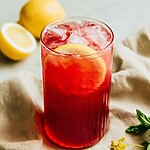
This vibrant, thirst-quenching drink balances the tart, cranberry-like flavor of hibiscus with the zest of fresh lemons. By using a natural sugar alternative, you get all the sweetness of a classic summer porch sipper without the heavy sugar load. It is light, crisp, and perfect for keeping cool on hot afternoons.
Ingredients
- 2 cups filtered water (for boiling) (480 ml)
- 5 hibiscus tea bags (tied together)
- ⅔ cup granulated monk fruit sweetener with allulose (start with this amount, add more to taste) (approx. 130g)
- 1 pinch kosher salt (optional, to balance acidity)
- 3 cups cold filtered water (720 ml)
- 1 cup freshly squeezed lemon juice (from 6–7 medium lemons) (240 ml)
- Ice cubes (for serving only, not included in volume)
- Fresh mint sprigs or lemon wheels (for garnish)
Instructions
- Steep the tea: In a heat-safe saucepan, bring the 2 cups of filtered water to a rolling boil. Remove the pan from the heat immediately. Add the hibiscus tea bags, submerge them fully, and cover the pan. Let steep for 10 to 12 minutes until the water turns a deep, opaque ruby red.
- Dissolve the sweetener: Remove the tea bags using a spoon; press them gently against the side of the pan to release liquid, but do not squeeze by hand to avoid burns. While the concentrate is still hot, whisk in ⅔ cup of the granulated monk fruit sweetener and the pinch of kosher salt. Stir vigorously for 30 seconds until the granules are completely dissolved.
- Combine and dilute: Pour the warm hibiscus syrup into a large glass pitcher. Stir in the 3 cups of cold water and the freshly squeezed lemon juice.
- Taste, Adjust, and Chill: Taste the mixture. If it is too tart, stir in additional sweetener (up to ⅓ cup more) until it reaches your desired sweetness. Place the pitcher in the refrigerator for at least 1 hour. Before serving, verify the lemonade is ice-cold and the flavor is smooth without sharp bitterness. Pour over glasses filled with ice and garnish.
Notes
Allergy Alert: This recipe is naturally top-8 allergen-free (gluten, dairy, soy, nuts, etc.). However, always check the packaging of your specific sweetener blend to ensure it was processed in an allergen-safe facility.
Why it works:
- Concentrate Method: Brewing a strong tea concentrate first ensures the flavor is bold, while adding cold water later speeds up the cooling process.
- Salt Balance: A tiny pinch of salt suppresses bitterness in the tea tannins, making the lemon flavor pop.
- Gradual Sweetening: Starting with less sweetener allows you to control the balance, as lemon acidity and personal preference for sweetness can vary.
Key Success Warnings:
- Don’t over-steep: Do not leave tea bags in for longer than 15 minutes, or the hibiscus can develop a bitter, drying mouthfeel.
- Dissolve while hot: Make sure to add the sweetener before adding the cold water; granular sweeteners struggle to dissolve in cold liquids.
- Use fresh lemons: Bottled lemon juice often contains preservatives that can alter the flavor profile; fresh is essential for the right “zing.”
Nutrition
Serving: 1 glass (8 oz) | Cal: 10 | Net Carbs: 3g | Fat: 0g | Protein: 0g | Total Carbs: 3g (Sugar: 1g) | Sodium: 25mg Note: Nutritional values are estimates based on standard databases. Carbohydrate count is derived primarily from lemon juice; sweetener carbohydrates (allulose/erythritol) are excluded from Net Carbs as they are generally non-glycemic.
Nutrition information is calculated using third-party databases and is provided as a courtesy. Since values vary by brand and produce, we suggest calculating them yourself for the most accurate results.